
















Alexander Zverev's 2026 game plan and diabetes reveal: What fans and families with diabetes should expect

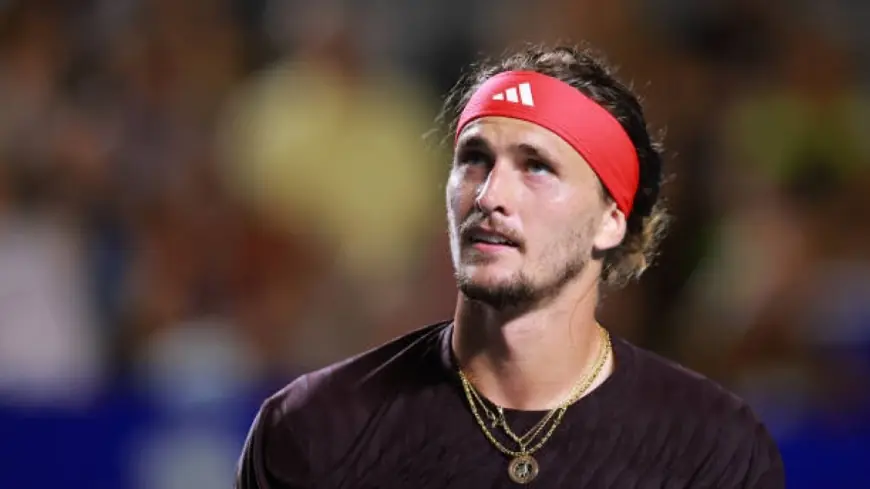
The immediate impact lands with two groups: match spectators who want a more aggressive on-court Zverev and children and families living with diabetes who now see a high-profile athlete using his platform. alexander zverev has signaled a tactical shift for 2026 — focusing on hitting harder rather than becoming markedly fitter — while also speaking openly about a condition he’s managed since childhood and the work of his Foundation.
What Alexander Zverev’s choices signal for fans and diabetes communities
Here’s the part that matters: fans should prepare for a different style of play that aims to shorten points, and diabetes advocates gain a louder, more visible spokesperson. The Foundation he runs is framed as a practical response to his experience; its goal is to help and inspire children and families affected by diabetes and to stress the role of sport in managing the condition. If you’re wondering why this keeps coming up, his public stance followed a period of reflection after an injury, which prompted him to speak more openly about his health and priorities.
That audience-first framing changes how his matches will be viewed. Supporters in tournament arenas can treat Acapulco and similar events as dual-purpose: a place to watch competitive tennis and to see how public advocacy intersects with elite sport. For families dealing with diabetes, his visibility is less about on-court results and more about representation and practical awareness building.
Event details and the thread between tactics, health and goals
In a pre-event appearance ahead of the ATP 500 in Acapulco, alexander zverev discussed multiple strands of his 2026 plan. He described a preparation focus that prioritizes increasing shot power rather than an overhaul toward greater physical conditioning. At the same time, he explained why he has started speaking more publicly about living with diabetes, which he has managed since childhood. He said that after an injury at Roland Garros he had time to reflect and chose to use his example to help others.
- He is a former champion at this Mexican event and sees it as a place to regain top form.
- His Foundation aims to support children and families affected by diabetes and to highlight sports as a coping tool.
- Winning a Grand Slam remains a central ambition, and he noted a personal aim to be the first player with diabetes to reach that milestone.
- He mentioned a recent movement in the ATP rankings that left him outside the top three, a position now held by another leading player.
It’s easy to overlook, but moving from private management of a condition to public advocacy often reshapes an athlete’s calendar and messaging: appearances, Foundation commitments and match preparation start to compete with each other in new ways. That tension helps explain the dual emphasis on a streamlined tactical change and intensified off-court work.
A compact timeline helps put this in order: childhood diagnosis; years of managing the condition privately; an injury at Roland Garros that prompted reflection; and public remarks ahead of the ATP 500 Acapulco 2026 where he outlined both his game plan and his advocacy focus. This sequence clarifies why his current season blends on-court adjustments with louder outreach.
Practical takeaway for event-goers and viewers: expect a more aggressive style aimed at shortening rallies — that’s the tactical experiment to watch — and expect him to use tournament stages to raise awareness about diabetes and his Foundation’s work. The schedule and his plans remain subject to change, but the direction is clear.
The real question now is how quickly the hitting-harder approach converts into consistent wins and how effectively his public engagement translates into measurable support for families managing diabetes. Early signals will be match results at mid-level events and the visibility of his Foundation during tournament weeks.
Writer’s aside: What’s easy to miss is how rare it is for a top player to pair a visible tactical experiment with a sustained advocacy push; that pairing changes both public expectations and internal priorities in subtle ways.