





















Prince Edward’s last-minute withdrawal shifts focus at royal awards amid family turmoil

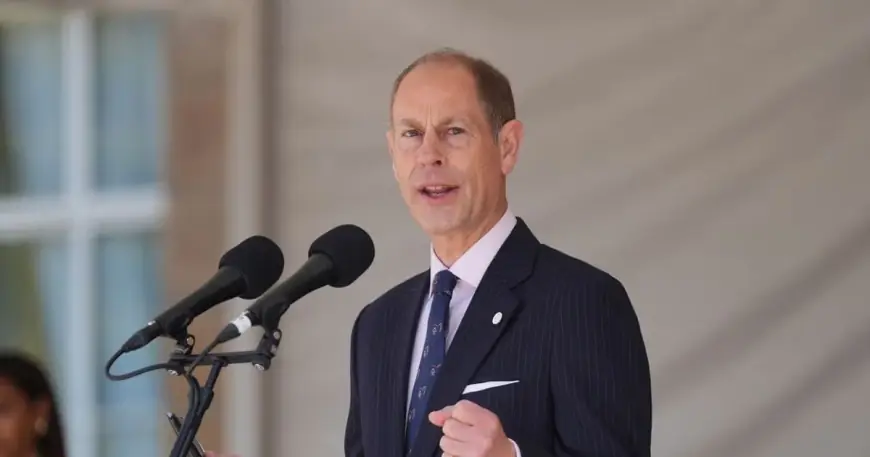
Who feels the gap first? For the academic winners and the palace floor, the absence of prince edward changed the tone: a planned joint appearance beside the King reduced to a smaller, determined royal line-up at St James's Palace. The event nonetheless proceeded with the monarch presenting the Queen Elizabeth Prizes for Higher and Further Education to 19 UK universities and colleges.
Prince Edward’s absence: immediate impacts on the ceremony and optics
Prince Edward, the Duke of Edinburgh, was due to join King Charles, Princess Anne and Queen Camilla at St James’s Palace but pulled out after coming down with a cold. His withdrawal came after recent duties in Italy, where he attended several events at the Milan Cortina Winter Olympics and watched the snowboarding competition. The last-minute change narrowed the visible family presence on a day intended to celebrate higher and further education.
Royal unity on display despite a smaller lineup
Charles, 77, and Camilla, 78, led the presentation at the royal residence with Princess Anne and the Duke and Duchess of Gloucester joining them. Coverage described the outing as a rare joint engagement by multiple working royals and noted this was the largest gathering of royals since the arrest of Andrew Mountbatten-Windsor last Thursday. Mingling with around 200 guests at the reception, the King, Camilla and Anne appeared relaxed after recent turbulence surrounding the family.
Awards, winners and priorities highlighted at St James’s Palace
The King presented the Queen Elizabeth Prizes for Higher and Further Education (also referenced as the Queen Elizabeth Prizes for Education) to 19 institutions recognised for innovation across a range of subject areas. Examples cited include work on sustainability in the textile industry, higher education provision in prisons, and research into Paralympic performance.
- London Metropolitan University received recognition for a research unit dedicated to ending violence against women and girls through interdisciplinary research, police intervention, criminal justice reform, and improved survivor support.
- The Princess Royal attended in her role as Chancellor of Edinburgh University; the institution’s Centre for Fire Safety Engineering was among the awardees. She initially wore her chancellor’s robes and later changed out of them for a meet-and-greet.
At the reception after the ceremony, Camilla met members of the London Metropolitan University unit and shared a brief conversation with Professor Fiona Vera-Grey, co-director of the Child and Woman Abuse Studies Unit, and senior research fellow Jo Lovett. Sir Damon Buffini, Chair of the Royal Anniversary Trust, praised the prizes as a national honour recognising outstanding work in universities and colleges.
Andrew Mountbatten-Windsor’s arrest and the surrounding details
The gathering followed the arrest last week of Andrew Mountbatten-Windsor on suspicion of misconduct in public office. He was accused of sharing sensitive information with Epstein while acting as a special representative for trade and investment between 2001 and 2011. The former prince spent 11 hours in custody on his 66th birthday while officers searched his home on the Sandringham Estate in Norfolk and his former Windsor home in Berkshire; he was then released under investigation and denies any allegations of wrongdoing.
What this shift signals for the palace, attendees and next checkpoints
Here's the part that matters for observers: the event balanced celebration with careful optics. The King proceeded with the awards and reception; yet the absence of Prince Edward and the recent arrest of Andrew shifted media and public attention toward family stability rather than the institution-building work being honoured.
- Institutions recognised: 19 universities and colleges across the UK were honoured.
- On-the-ground scale: about 200 guests attended the awards reception at St James’s Palace.
- Immediate confirmation signals: any further changes to royal appearances or official statements would clarify the short-term plan for public engagements.
- Affected groups: award winners, university communities, survivors supported by the recognised research unit, and palace staff managing high-profile appearances.
It’s easy to overlook, but the bigger signal here is how ceremonial priorities and crisis management are being balanced in public-facing events. The real question now is how the palace will sequence future engagements while the investigation into Andrew remains under way.
Writer’s aside: What’s easy to miss is how much of a ceremony’s impact depends on who turns up; even a single absence reshapes both optics and media attention.