

























Is Cancun Safe? U.S. Embassy Lifts Shelter-in-Place, Region Cleared for Travel

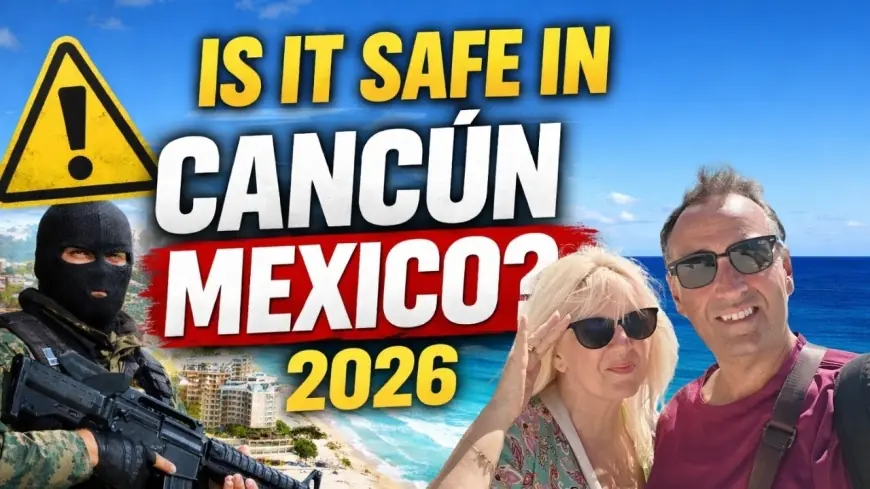
Cancun safe travel status took center stage this week after a brief but alarming U.S. Embassy security alert rattled tourists and travel planners across North America. As of Tuesday, February 24, 2026, the situation has stabilized — and the Cancun safe to visit designation is back in full effect.
What Happened: The February 22 Security Alert
On February 22, 2026 ET, the U.S. Embassy in Mexico issued a sweeping security alert covering multiple Mexican states. Quintana Roo — home to Cancun, Playa del Carmen, Cozumel, and Tulum — was included due to ongoing security operations, road blockages, and heightened criminal activity tied to broader unrest across the country.
U.S. government staff in Cancun and the surrounding Quintana Roo region were directed to shelter in place and work remotely on February 23. U.S. citizens in the area were advised to do the same.
Cancun Safe Status Restored: Embassy Lifts the Order
By February 23, 2026 ET, conditions had improved significantly. The U.S. Embassy officially lifted the shelter-in-place directive for Cancun and all of Quintana Roo, confirming the security situation had returned to normal. Cancun International Airport remained open throughout the event with no reported closures, and tourism services in the area continued without interruption.
Local tourism officials confirmed there were no airport shutdowns or transportation disruptions specific to Cancun. Police presence in the Hotel Zone, Playa del Carmen, Tulum, and Riviera Maya corridors was increased as a precaution.
How Cancun Compares to the Hardest-Hit Regions
| Destination | Shelter-in-Place Status | Airport Status |
|---|---|---|
| Cancun (Quintana Roo) | Lifted as of Feb. 23 ET | Open, operational |
| Puerto Vallarta (Jalisco) | Still in effect | Major disruptions |
| Guadalajara (Jalisco) | Still in effect | Major disruptions |
| Tijuana (Baja California) | Still in effect | Operational |
Cancun emerged from this episode in far better shape than western Mexico destinations, where flights remain significantly disrupted as of February 24, 2026.
Is Cancun Safe for Tourists Right Now?
The U.S. State Department's travel advisory for Quintana Roo remains at Level 2: Exercise Increased Caution — the same rating applied to France, Italy, and the United Kingdom. That level has not changed as a result of this week's events.
Key data points for travelers asking whether Cancun is safe:
- The Cancun Hotel Zone reported zero violent incidents against international tourists in 2025
- Cancun saw a reported 56% reduction in critical incidents city-wide in 2025 year-end data
- The murder rate for American visitors in Cancun is approximately 1.83 per 100,000 — lower than many U.S. cities
- 99.9% of visits to Cancun resort areas occur without incident
Travel experts are also urging travelers to be cautious about misinformation circulating on social media, including AI-generated images depicting events that did not occur.
Cancun Safe Travel Tips for February and Spring 2026
With the shelter-in-place lifted and Cancun safe for visitors once again, travelers heading to the region should keep these precautions in mind:
- Stay within the Hotel Zone and established Green Zone tourist corridors
- Use pre-booked hotel shuttles, Uber, or vetted transportation rather than unlicensed taxis
- Avoid walking alone after dark in non-tourist neighborhoods
- Monitor the U.S. Embassy in Mexico website and the State Department's Travel.State.gov for real-time updates
- Enroll in the Smart Traveler Enrollment Program (STEP) before departure
- Purchase travel insurance that covers medical emergencies, as U.S. domestic health coverage does not apply in Mexico
Bottom Line on Cancun Safe Travel in 2026
Cancun safe conditions have been restored following one of the more disruptive weeks in recent Mexican travel history. While Jalisco and Baja California continue to manage serious security challenges, Quintana Roo bounced back quickly. Travelers with upcoming bookings can proceed with plans, though continuous monitoring of official advisories before and during travel remains essential.