


















Nick Reiner Pleads Not Guilty as Autopsies Remain Incomplete in Deaths of Rob and Michele Reiner

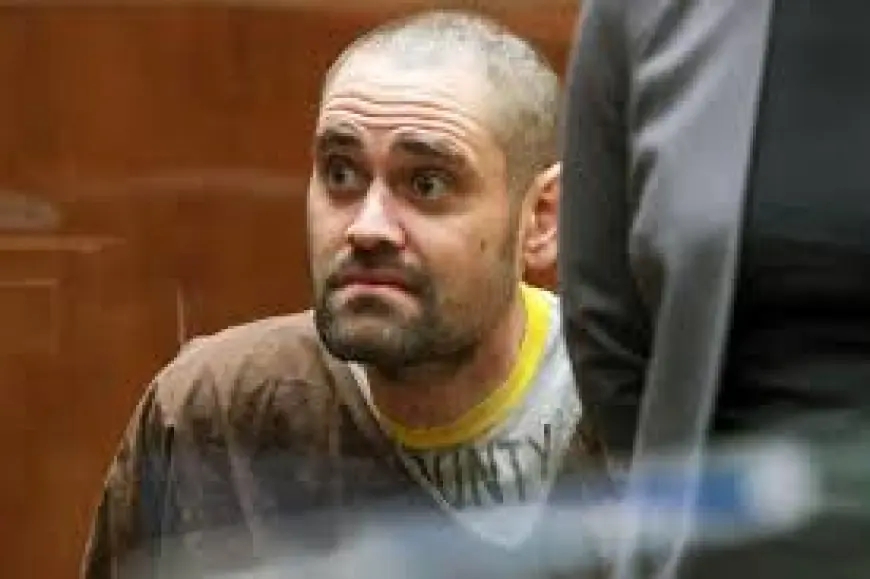
nick reiner has entered a formal plea in the criminal case tied to the deaths of his parents, a development that arrives amid unfinished forensic work on the two victims. This matters now because key postmortem findings are not yet available while the defendant has moved into the court process.
Nick Reiner Enters Not Guilty Plea
The defendant, identified as Nick Reiner, entered a not guilty plea to the charges connected to the deaths of his parents. The plea registers his denial of criminal responsibility and marks the opening of the formal defense posture in the matter. Specifics about where the plea was entered and the precise procedural setting are unclear in the provided context.
Murder Charges in Deaths of Rob and Michele Reiner
Prosecutors have brought murder charges in relation to the deaths of two people identified as Rob Reiner and Michele Reiner. The charges frame the incident as a criminal killing rather than an accident or natural causes. The context specifies that the victims are the defendant’s parents and that the allegation centers on their deaths; other details about the charges, including counts, statutes cited, or bond conditions, are unclear in the provided context.
Autopsy for Rob and Michele Reiner Not Completed
Autopsies for Rob Reiner and Michele Reiner remain unfinished. The incomplete postmortem examinations mean that forensic determinations that often inform cause and manner of death have not been finalized. Because those autopsy results are not yet available, investigators and legal teams lack certain forensic findings that commonly shape both charging decisions and defense strategies.
Timing: Plea Entered While Forensics Pending
The defendant’s not guilty plea was entered while the autopsies were still pending, a sequence that places immediate legal action against a backdrop of incomplete forensic work. The timing matters because prosecution and defense must proceed with limited public information about medical findings; this can affect the calendar for discovery, pretrial motions, and whether additional investigative steps are requested by either side. Specific dates, deadlines, or upcoming court dates are unclear in the provided context.
What Comes Next Is Unclear in the Provided Context
Key procedural and investigative steps are not specified in the available material. It is unclear in the provided context how prosecutors will move forward without completed autopsy reports, whether defense counsel has formally requested additional time or evidence, or when the medical examiner will finalize the autopsies of Rob and Michele Reiner. Those gaps leave the immediate trajectory of the case—scheduling, potential indictments beyond the existing charges, and evidentiary milestones—undefined in the present record.
What makes this notable is that a defendant has adopted a formal denial of guilt even as fundamental forensic work on the victims remains unresolved, creating a legal posture that will be shaped in part by facts that have yet to be established. The lack of completed autopsy results creates tangible uncertainty about the full evidentiary picture available to both prosecution and defense.
In sum, the central points available are these: the defendant, nick reiner, has entered a not guilty plea to murder charges connected to the deaths of his parents; the victims are named as Rob Reiner and Michele Reiner; and autopsies for both victims are still not completed. Other particulars—times, locations, procedural rulings, and detailed forensic conclusions—are unclear in the provided context.