























How Much Snow Did Boston Get as Record 2026 Blizzard Dumps Feet of Snow, Grounds Flights

Questions such as how much snow did boston get have followed a storm that left more than 40 million people under warnings and brought hurricane-force winds across the Northeast. Officials and residents are wrestling with record snowfall totals, widespread outages and major travel disruptions.
How Much Snow Did Boston Get: Official counts
Measurements from across the region produced different but staggering totals. The National Weather Service posted satellite video taken by the GOES East satellite showing the February 22-23, 2026 blizzard; a 9: 25am post captured the storm’s scope from space. In Rhode Island, T. F. Green International Airport outside Providence recorded 32. 8 inches of snow as of Monday afternoon, a figure that surpassed the previous single-storm record of 28. 6 inches set in February 1978, a storm that led to 100 fatalities. Other readings varied: parts of Rhode Island and Massachusetts saw nearly 37 inches, Providence received 36 inches in one accounting, and New York City’s Central Park logged more than 19 inches. Local officials warned more measurements could push totals higher later in the day.
Power outages and travel bans
The storm produced large-scale outages and travel restrictions. Monitors showed at least 500, 000 customers without power in the Northeast as of early Monday evening, and separate counts across the US east coast exceeded 600, 000 properties without power. In Massachusetts nearly 300, 000 customers were without power, including 85% of customers in Barnstable County, which covers Cape Cod. New Jersey, Rhode Island, Pennsylvania and Connecticut declared states of emergency and imposed travel restrictions. A ban on non-essential travel was implemented in Rhode Island and in neighbouring Connecticut, and later Massachusetts Governor Maura Healey also imposed a travel ban, warning, "White-out conditions are making travel extremely dangerous. If you get stuck, help will have a hard time reaching you... I strongly urge everyone to stay off the roads no matter where you live. " White-out conditions were described as when snow significantly reduces visibility.
School decisions and local orders
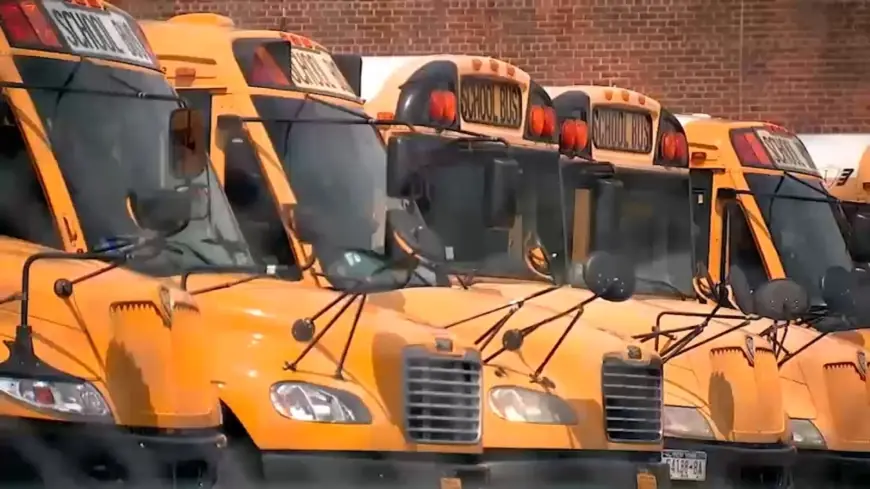
Officials took differing approaches to schools. All Boston Public Schools were announced closed through Tuesday, February 24, "due to the ongoing snow emergency, " while New York City Public Schools reopened for in-person learning on Tuesday after the storm. New York City Mayor Zohran Mamdani told families, "You can still pelt me with snowballs when you see me, " and said, "Students may be excused for up to two hours for weather and transportation-related delays on Tuesday morning. " In Rhode Island, Governor Dan McKee said the state of emergency and travel ban remained in effect so plow crews could continue clearing roads overnight, and that the situation would be reassessed on Tuesday morning; state offices were ordered to remain closed on Tuesday.
Flight cancellations and regional impacts
Travel across the region was severely limited. Headlines noted more than 5, 000 flights cancelled and the region saw thousands of flight cancellations nationwide. Some states and cities implemented travel bans during the worst period. The storm’s disruption extended to publishing: the Boston Globe said it would not go to print for the first time in its 153-year history because the blizzard made it impossible to print and deliver a paper for Tuesday morning, despite overcoming "the elements, technical snafus and a global pandemic. "
Local reactions and on-the-ground conditions
Residents and workers described dangerous conditions. New York parent Michelle Thomas said, "There's no place to walk. Sidewalks, street, people are walking their dogs in the middle of the street, so how are the kids going to get to school if they have to walk?" A Tottenville High School junior, Luke Thomas, said, "Given the fact that I'm going to have to take public transportation... and given how the roads have been looking these past 12-24 hours, it's going to be a good ride. " Parent James Lecce, Sr. said, "It's very bad out here. It's slippery. It's a mess. I think they deserve an extra day home. At least one more day. " The teacher's union pushed back on reopening, saying, "no one should jeopardize their safety to report to work. " Boston resident and avid walker Bradley Jay said the storm left him feeling like a "prisoner, " adding, "I won't be able to really walk around town for another ten days. So I'm stuck inside. " An NWS meteorologist in Boston, Candice Hrencecin, said the storm "completely smashed" prior records and added, "We were just as shocked as everyone else. "
Cleanup orders and street rules
Municipal orders are in force as cleanup continues. New York City’s Sanitation Department declared an official end of storm at 4: 30 p. m. local time on Monday, and noted that the designation’s end obligates property owners to clear snow by 8: 30pm, including a four-foot path for wheelchairs and strollers and clearance around curb ramps, fire hydrants and unsheltered bus stops. Alternate side parking rules were suspended through the weekend in New York while crews and the Department of Sanitation worked to clear streets.
The blizzard’s footprint stretched from North Carolina to northern Maine and into parts of eastern Canada with warnings in place across that corridor. The nor'easter has moved toward coastal eastern Canada, though strong winds were expected to persist. Snow accumulations near the north-east coastline were anticipated to reach 1 to 2 feet in some forecasts for the region.
how much snow did boston get remains a question being refined as crews measure and officials collect final totals; Monday’s readings already reshaped historical records and forced a sweeping, multi-state response.