










Jonte Richardson quits BAFTA emerging-talent jury, saying academy failed Black creatives after unedited slur aired

The resignation lands where the impact is clearest: Black artists and emerging talent panels now face a reputational and trust test after the broadcaster left an audible racial slur in a delayed awards transmission. Filmmaker jonte richardson said he would no longer serve on the emerging-talent judging panel because the academy repeatedly failed to safeguard the dignity of its Black guests and members — a departure that puts pressure on the awards body and the careers it is meant to champion.
Jonte Richardson's resignation and who feels the impact first
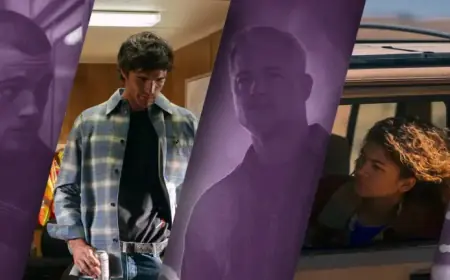
The filmmaker Jonte Richardson stepped down from his role as an emerging-talent judge on Monday, citing the academy's handling of the incident. He argued the organisation has repeatedly failed to protect the Black creative community and described the episode as utterly unforgivable, saying he will not contribute his time or expertise under those conditions. He also noted that the decision is especially painful given the presence of notable Black talent in this year’s cohort, singling out one favourite show from 2025, Just Act Normal.
Here's the part that matters: Richardson's exit is an immediate signal to nominees, mentors and the judging process — the people who rely on that institutional support will be watching how the academy responds.
What unfolded at the ceremony and how the broadcaster handled the tape
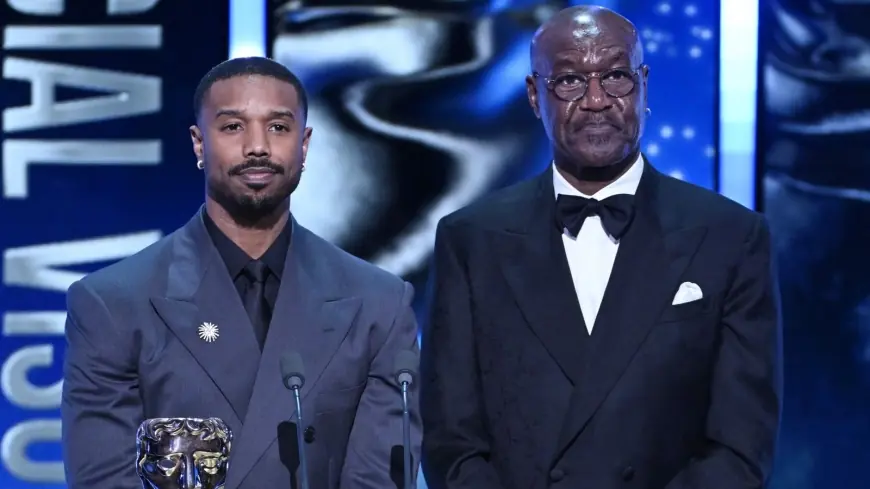
During the awards night the first prize — the award presented at the start of the ceremony for best visual effects — was being presented by Sinners stars Michael B. Jordan and Delroy Lindo when a guest with Tourette’s shouted a racial slur from the auditorium. The guest, John Davidson, whose life inspired the film I Swear, shouted the N-word and his involuntary tics were audible several times before and during the event.
The ceremony had been recorded and shown on a two-hour delay; the offending moment remained on the network broadcast and on the broadcaster's streaming service into the next morning before the recording was taken down for editing. The tape had been shortened for broadcast from three hours to two, and the unedited slur was available on the stream for more than 12 hours before removal.
Responses from people involved and organisational statements
The awards body apologised and accepted responsibility for putting guests in a difficult position, offering an unreserved apology to Michael B. Jordan and Delroy Lindo and to all those impacted, and thanking the pair for their dignity and professionalism. The broadcaster apologised that the language was not removed prior to broadcast and said the broadcast would be edited on the streaming service.
Conservative Party leader Kemi Badenoch said the broadcaster made a horrible mistake by not editing the material out at the time and said an explanation was necessary for why it was not bleeped. The broadcaster declined to comment further on why the language was not initially removed or bleeped.
Delroy Lindo said that he and Jordan carried on presenting and did what they had to do, but he also wished that someone from the academy had spoken to them afterward. Sinners production designer Hannah Beachler wrote that the guest’s tics occurred three times that night, and that one of those episodes was directed at her on the way to dinner after the show.
It’s easy to overlook, but this episode also intersected with other editorial choices: other segments were cut from the televised run, including a director’s call to "free Palestine" and a filmmaker’s use of an expletive, while the slur remained in the version that viewers initially saw.
Timeline of the night and immediate signals for next steps
- Before the show began: the audience had been informed about the guest’s condition, and the host referenced it during an opening monologue in which the guest was involuntarily ticking.
- During the first award: John Davidson shouted the racial slur while Michael B. Jordan and Delroy Lindo presented the first prize (best visual effects); the guest later appeared to remove himself from the theatre.
- Broadcast and stream: the ceremony aired on a two-hour delay, had been edited down from three hours to two for broadcast, and the unedited moment remained on the streaming platform for over 12 hours before the recording was taken down to be edited.
- After the ceremony: nominees and guests discussed the incident at a winners’ dinner; at an after-party Lindo was reported to be in good spirits and chatted with costar Wunmi Mosaku, who won best supporting actress; another castmate, Robert Aramayo, won a rising-star prize and also a lead-actor prize.
- Immediate signal: a senior judge stepping away and the academy’s apology create pressure for transparent changes to how live and delayed material is reviewed and for clearer post-incident engagement with affected guests.
Broader stakes and what could confirm a follow-up shift
The real question now is whether the academy and the broadcaster change internal procedures or offer additional remedies for those affected. Concrete next signals would include an explanation of why the edit was missed, substantive changes to how delayed broadcasts are vetted, and direct outreach to the people most impacted. The filmmaker jonte richardson’s departure makes those outcomes more urgent.
Key factual notes: the guest, John Davidson, is a Tourette’s campaigner from Galashiels in Scotland who received an MBE in 2019. Tourette’s is characterised by sudden, involuntary and repetitive movements or sounds called tics. Between 10% and 30% of people with Tourette’s experience tics that can produce socially unacceptable words — a phenomenon known as coprolalia, per the Tourette’s Action charity. Davidson has said he was deeply mortified if anyone considered his involuntary tics intentional or meaningful and that he will continue his work supporting the Tourette’s community.