
















Robert Carradine’s Death Reverberates Through His Family, Fans and Conversations About Bipolar Disorder

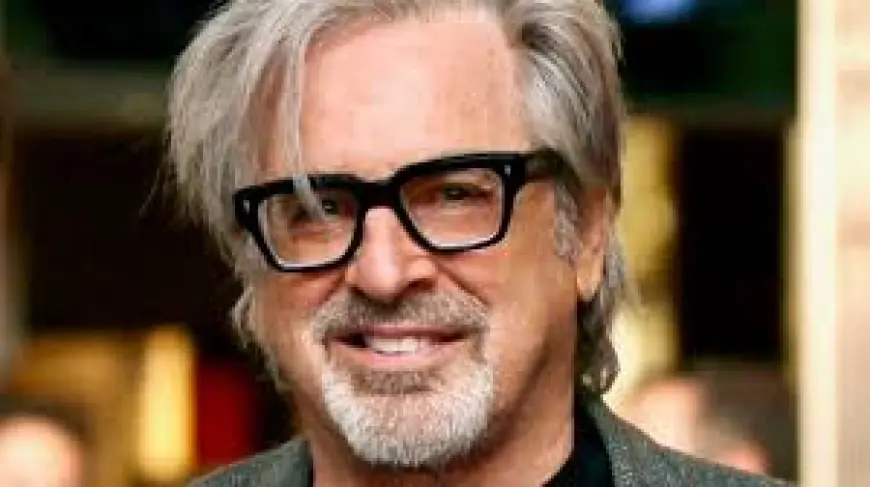
What matters now is who feels this loss first: immediate family, a generation of film and TV viewers, and the people watching how mental‑health stigma gets discussed. robert carradine’s death at age 71, by his own hand after nearly two decades living with bipolar disorder, places his personal struggles at the center of his public legacy and shifts attention toward openness about mental illness.
Robert Carradine’s loss and who it touches most
His family framed the news as both a personal tragedy and an attempt to raise awareness: they described him as a beloved father, grandfather, uncle and brother and said Bobby was “a beacon of light” who battled bipolar disorder for nearly two decades. The family asked for privacy to grieve while expressing a hope that acknowledging his illness will encourage confronting stigma around mental health. Keith Carradine called Robert the bedrock of their family and emphasized that there is no shame in the illness; he said it ultimately got the best of him and celebrated Robert’s humor, wisdom and tolerance. Survivors named by the family include his children, grandchildren, brothers, nieces and nephews.
Event details and immediate public reactions
Robert Carradine died at age 71 and took his own life. Hilary Duff, who played the title role in the TV series where Carradine portrayed her on‑screen father, led public tributes. Duff wrote that the news “hurts” and called it hard to face the reality about an old friend; she added that she felt cared for by her on‑screen parents and said her heart aches for him, his family and everyone who loved him. The family’s announcement explicitly linked his death to a long struggle with bipolar disorder and framed the disclosure as an effort to reduce stigma.
Career highlights and why his roles matter
Carradine’s screen career began with a 1972 debut alongside John Wayne in The Cowboys — a part his brother David encouraged him to audition for by saying he “had everything to gain, and nothing to lose. ” He followed with roles in Coming Home and a part in Mean Streets in 1973. Two films that played at Cannes in 1980 included The Big Red One and The Long Riders; in the latter Walter Hill cast real brothers — Robert, Keith and David — as the Younger brothers. Carradine’s most widely recognized movie role came in 1984 as Lewis Skolnick in Revenge of the Nerds, a part that embedded him in the consciousness of a generation and led to three sequels in 1987, 1992 and 1994. Later, a new generation knew him as Sam, Lizzie McGuire’s father, appearing in 65 episodes between 2001 and 2004 alongside Hilary Duff.
Family history, personal life and past struggles
Carradine was born on March 24, 1954, as the youngest son of actor John Carradine and was a brother to David, Keith and Christopher Carradine. The family history includes both creative collaboration and tragedy: David Carradine died in 2009 at age 72 in Thailand, an event Robert later said contributed to the onset of his mental‑health challenges and led to a bipolar diagnosis. During production of The Long Riders, David purchased a horse named Z‑Tan that later lived on Robert’s Hollywood Hills property; Robert’s daughter Ever Carradine was once seen riding that horse between their home and Runyon Canyon in the 1980s.
His immediate family details include a daughter, Ever Carradine, with Susan Snyder; a marriage to Edith Mani that produced two children, Marika and Ian, and ended in divorce in 2015 after 25 years. During divorce proceedings in 2017, Edith Mani alleged that Carradine had attempted to kill them both in a car crash in Colorado in 2015; the available context notes that Carradine admitted he had been in a “psychotic sta” — the details of that admission are unclear in the provided context.
- He was born March 24, 1954, and died at age 71.
- Early film work: The Cowboys, Coming Home, Mean Streets.
- 1980 Cannes entries: The Big Red One and The Long Riders (with brothers).
- Breakthrough: Revenge of the Nerds and three sequels (1987, 1992, 1994).
- Later TV role: Sam McGuire in 65 episodes of Lizzie McGuire (2001–2004).
Here’s the part that matters to everyday readers: his family has chosen to share both grief and the long arc of his illness publicly, explicitly asking the public for privacy while hoping his story reduces stigma. The real question now is how this disclosure shapes conversations about bipolar disorder tied to public figures.
- Public figures directly affected: immediate family, fellow actors who worked with him, and viewers who grew up with his characters.
- Conversations likely to shift: awareness and stigma around bipolar disorder in the entertainment community and beyond.
- Signals that could show a shift: more families speaking openly about mental‑health diagnoses, or initiatives born from this disclosure — unclear in the provided context whether any will follow.
What’s easy to miss is how tightly his professional life intersected with family: he often worked alongside brothers and raised children who also entered acting, making this both a personal and public bereavement. Recent details indicate the family wants this moment to be both private and purposeful; details may evolve as they continue to grieve.