













Allyson Friedman remarks reverberate across Upper West Side schools, leaving students and officials shaken

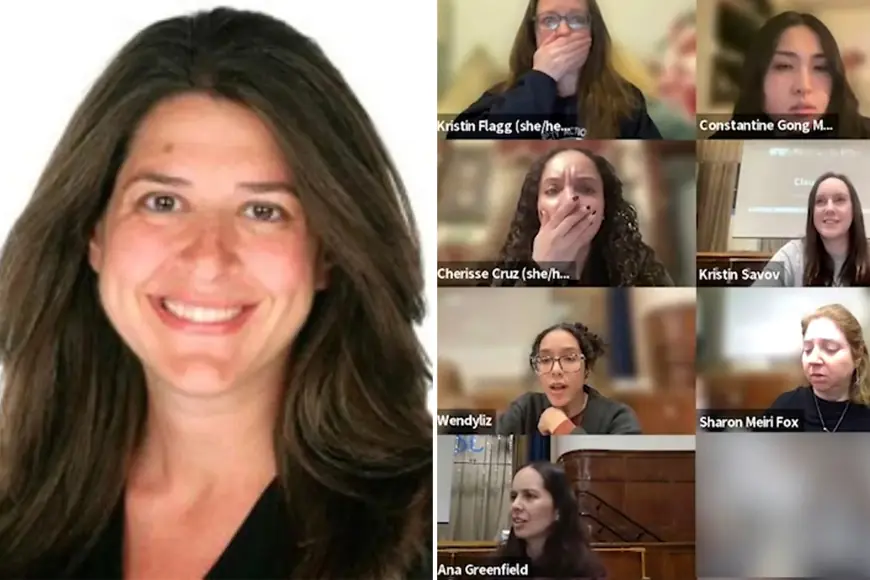
Students and local school communities felt the immediate impact when allyson friedman was heard on a hot mic during a Community Education Council meeting, interrupting an eighth-grade speaker concerned about potential school closures. The remark — captured during a Feb. 10 hybrid session — left children stunned and prompted swift outrage from district leaders, sparking apologies from the professor and a college review of conduct policies.
Who felt the impact first: students, parents and District 3 representatives
Here’s the part that matters: the remarks landed while an eighth-grade student from the Community Action School was speaking about not wanting to lose her school, and many attendees — both in the Joan of Arc building at 154 West 93rd Street and on Zoom — were parents, students and teachers of the three schools under discussion. Officials described being profoundly disturbed; students who were listening publicly were left visibly shaken.
What was happening during the Feb. 10 CEC3 meeting
The session was a hybrid Community Education Council meeting for Manhattan District 3 focused on possible relocations or closures affecting The Center School, The Riverside School for Makers and Artists, and the Community Action School. Neighborhood Superintendent Reginald Higgins participated in the meeting, which included discussion of educational equity, references to Dr. Martin Luther King Jr. and Carter G. Woodson, and the wider debate over school-closure plans that officials have been considering for District 3.
At the moment an eighth-grade student was speaking, an adult participant who appeared unaware the mic was live made a crass comment dismissing the student’s concerns and used language denigrating Black students. The remark also referenced a historical idea paraphrased from Carter G. Woodson’s 1933 book The Mis-education of the Negro: that if a person has been made to feel like an outcast, they will remove themselves from the front without being told. The meeting video was later posted online by the Community Education Council on Wednesday.
Allyson Friedman’s apology and acknowledgement
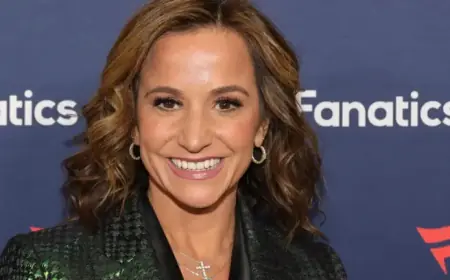
Allyson Friedman, identified as an associate professor at Hunter College, later acknowledged she made the remarks and sent a statement at 6 p. m. on Saturday, February 21, accepting responsibility and expressing deep regret to students, families, educators and community members who were hurt. She explained she had been trying, as a parent, to reference a historical example while discussing systemic racism and that an inadvertent unmute captured part of that exchange. She said the remarks were not directed at the student speaker and do not reflect her beliefs, and she reported sending written apologies to Dr. Higgins, the Community Action School, and the Community Education Council while expressing support for the Community Action School and a commitment to accountability and repair.
It’s easy to overlook, but the professor also attempted to clarify that the fuller context of her comments was meant to address systemic racism and educational equity, not to single out individuals — a distinction many community members rejected given the timing and phrasing of the captured words.
Institutional responses: university review and official condemnations
Hunter College described the comments as abhorrent and said it is reviewing the incident under applicable conduct and nondiscrimination policies. Local education leaders likewise condemned the language: the city council education chair said she was deeply disturbed by the blatantly racist and harmful remarks at the CEC3 meeting, while the Manhattan borough president called the remarks outrageous and highlighted the harm of exposing children to that language during testimony. School officials signaled this matter would be taken seriously as part of ongoing oversight.
- Immediate effects: students who were speaking or listening at the meeting were stunned and some families voiced hurt and alarm.
- Accountability moves: the professor issued an apology and sent written apologies to key meeting participants and institutions; the college opened a conduct review.
- Contextual layer: the meeting’s agenda included school-closure discussions for District 3, a backdrop that amplified community concern about the timing and impact of the remarks.
- Forward signal to watch: confirmation that the college’s review reaches a conclusion and whether additional community remedies or formal disciplinary steps follow will shape the next phase.
Numbers and neighborhood detail
Black students account for roughly 20% of all students enrolled in the city’s schools, a demographic fact many community members cited in assessing the harm. Hunter College lists more than 17, 000 undergraduates and about 5, 500 graduate students as part of its campus population, situating the professor’s affiliation within a large institution.
The real question now is how the college review and local education officials will translate condemnation into concrete actions that address harm and restore trust for families in District 3.
Micro timeline: Feb. 10 — CEC3 hybrid meeting where the remark was captured; Wednesday — the Community Education Council posted the meeting video online; Saturday, February 21 at 6 p. m. — the professor sent a statement acknowledging responsibility.
What’s easy to miss is that the episode landed in the middle of active debate over school closures and relocations, which is why local leaders and families reacted so strongly and why the institutional responses now matter beyond a single comment.