























Mta service, schools and flights disrupted as Northeast digs out from bomb cyclone

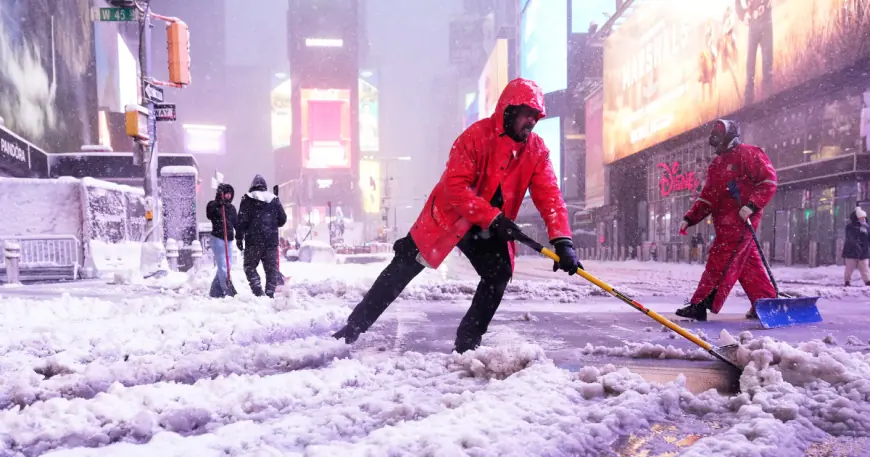
The Northeast is digging out after a powerful bomb cyclone that left record snowfall, widespread outages and thousands of disrupted flights, and mta recovery and school reopenings figured prominently in local conversations as officials weigh next steps.
Storm severity and local records
Monday’s storm, described by weather authorities as a classic bomb cyclone and one of the strongest in a decade, dumped more than 2 feet of snow in parts of the region. Some locations reported nearly 38 inches of accumulation at a Rhode Island airport, while Central Park recorded 19 inches and at least one town in Rhode Island topped 3 feet, the highest total reported so far. Hurricane-force gusts were recorded across Cape Cod, with a peak gust of 83 mph on Nantucket.
Travel chaos and flight cancellations
Air travel was heavily disrupted: more than 2, 000 flights in and out of the United States were canceled on Tuesday, with the bulk of cancellations affecting the New York, New Jersey and Boston areas. Roads and some airports began reopening on Tuesday as snow tapered in parts of the region, but travel remained difficult in many communities.
City services, power and schools
Road crews, neighbors and municipal workers scrambled to clear sidewalks and streets, aided in some places by a large railroad snow-clearing machine nicknamed "Darth Vader. " Mass transportation was coming back online in some cities and power had been restored for portions of the hundreds of thousands who lost electricity across several states. New York City canceled classes on Monday but announced schools would reopen for in-person learning on Tuesday, a decision that drew questions about feasibility with snow still piled on sidewalks. Other districts, including Philadelphia and some Long Island suburbs, shifted to online learning or canceled classes again.
Mta and mass transit recovery
Transit recovery is a central challenge in the cleanup effort. The reopening of mass transit and neighborhood access will be critical to restoring normalcy, and mta service remains a focal point for commuters and school staff trying to return to routine operations. Officials noted that low attendance among students and staff was a likely outcome where travel remained uncertain.
Cleanup outlook and the next storm
Weather authorities are tracking another storm that could bring additional snow later in the week. Forecasters do not expect the next system to be as strong as the bomb cyclone, but officials warned that even a few additional inches on top of deeply plowed areas would complicate cleanup. Observers emphasized that any extra snowfall would not be welcome in hard-hit communities.
Immediate impacts and public services
State and city emergency declarations were issued in several jurisdictions as crews prioritized reopening major roads and restoring utilities. A regional newspaper called off printing its daily edition for the first time in its more than 150-year history because snow and winds kept staff from reaching production facilities. Officials and union leaders expressed concerns about travel safety and practical limits on attendance for schools and city workplaces while cleanup continues.
Key indicators to watch in the coming days include whether the next weather system brings measurable additional snow and how quickly mass transit routes and power infrastructure are restored. If additional accumulation occurs, cleanup timelines could lengthen and service resumptions may be delayed.