
























Mounjaro bonus: GPs to get £3,000 a year — how the payment could reshape access and workload

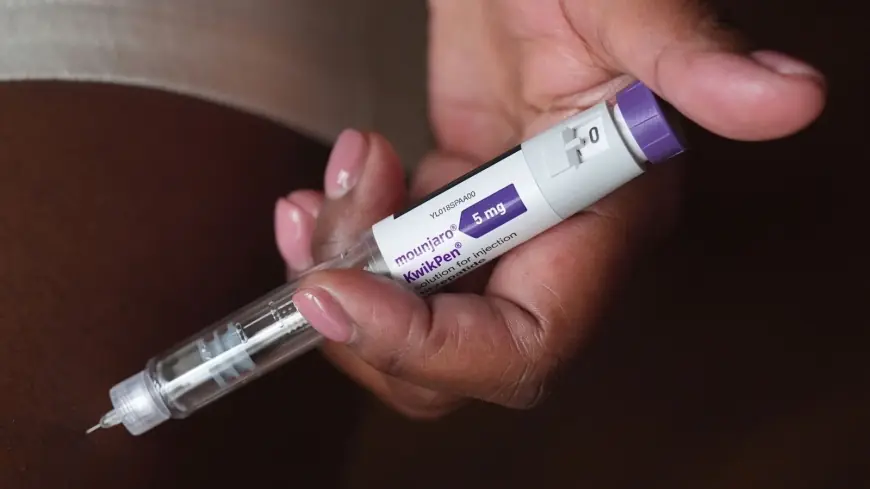
The English GP contract will add incentive payments in April that specifically target Mounjaro prescriptions, a move intended to broaden NHS access to weight-loss injections. Practices will be eligible for up to £3, 000 a year plus roughly £1, 000 for making referrals to weight loss programmes — a shift meant to steer more patients onto NHS pathways rather than private routes, but one that collides with tight eligibility rules and a rollout that has so far been uneven.
Immediate consequences for Mounjaro access and GP workload
Here’s the part that matters: the payment is designed to increase prescriptions of Mounjaro in primary care, but it does not change who is eligible. That means doctors may face added clinical and administrative workload without a larger pool of patients becoming eligible overnight. The scheme is backed by a ring-fenced £25m and requires practices to meet criteria to receive the bonus; practices that do engage could see higher demand for follow-up and referrals.
It’s easy to overlook, but incentive payments are a familiar lever in GP contracts — they have previously been used to incentivise dementia care, higher vaccination rates and prescribing statins to lower heart-disease risk — so the mechanism is tested even if the clinical and eligibility constraints are new.
Policy details and how the payments are structured
- GP surgeries in England can receive up to £3, 000 a year for prescribing weight-loss injections, with an additional payment of about £1, 000 a year for referring patients into weight loss programmes.
- The incentive payments apply only to Mounjaro; other new-generation injections like Wegovy are provided through specialist NHS weight-loss services, not routine GP prescribing.
- The payments are being added to the GP contract starting in April and are supported by £25m of ring-fenced funding.
- Practices must meet specified eligibility criteria to qualify for the bonus; implementation will follow the contractual rules set out by the health department.
- This is the first time weight-loss drugs have been included in the GP contract, with the £3, 000 available for prescribing the maximum number of eligible patients for Mounjaro.
Numbers, timeline and access limits
The rollout picture contains several overlapping figures and milestones that matter for capacity planning. Mounjaro began being available on the NHS in 2025 and started to be prescribed by GPs during this financial year, but access has been restricted to people who are severely obese with a BMI over 40 plus certain health conditions. Next year the threshold will be widened to those with a BMI over 35, and the expectation is that by 2028 some 220, 000 patients will be on Mounjaro provided by the NHS. Separately, 220, 000 patients have been prioritised for the first three years of rollout.
Estimates of current use outside the NHS vary in the provided material: one figure notes more than 1 million people are using injectable weight-loss drugs with nine in 10 paying privately, while another estimate puts the total at about 2. 4 million Britons, most of whom access the drugs privately. These divergent figures mean overall demand is unclear and should be treated as developing.
The phased national rollout of Mounjaro could take up to 12 years, and rollout to date has been described as patchy, with current data suggesting some people who are eligible cannot access the drugs and not all GPs are prescribing them yet.
Reactions, cautions and operational limits
Ministers frame the change as shifting access from ability to pay toward need, and emphasise concerns about private markets and unregulated prescribers. Obesity experts have warned the scheme may have limited impact because NHS prescribing remains tightly restricted and the payment does nothing to widen eligibility immediately. Professor Victoria Tzortziou Brown cautioned that widening rollout could increase workload unsustainably and risk raising unrealistic expectations among patients who may not be eligible.
The real question now is whether the incentive will prompt more GPs to prescribe Mounjaro at scale or simply concentrate prescribing in a subset of practices that can absorb the operational burden.
- Signals that would indicate the policy is changing practice: rising counts of GP Mounjaro prescriptions and increased referral payments claimed by surgeries.
- Groups most directly affected: eligible patients on NHS pathways, GP surgeries expected to meet the new criteria, and specialist services that handle Wegovy.
- Operational pressure points to monitor: appointment capacity for initial assessments and follow-up, and whether referral payments translate into completed programme placements.
- Uncertainties remaining: the true scale of private-market use (estimates vary) and whether the phased rollout timeline will accelerate or stretch toward the 12-year horizon.
Micro timeline
- Last summer: NHS began a mass rollout of weight-loss injections.
- 2025: Mounjaro became available on the NHS.
- During this financial year: GPs began prescribing Mounjaro, under initial BMI and health-condition restrictions.
- Next year: eligibility scheduled to widen to people with BMI over 35; expectation by 2028 of around 220, 000 NHS patients on Mounjaro.
What’s easy to miss is that the payment mechanism is familiar to primary care but the constraint on eligibility and the uneven rollout are the real limits on near-term impact — further data on prescription patterns and referral uptake will be needed to judge whether the bonus changes who actually gets treated.