













Cia Tv Show arrives as a familiar franchise play — why the spin-off feels engineered more than born

The network's new cia tv show matters now because it is explicitly pitched as an extension of an existing franchise and it arrives having been reshaped behind the scenes — a fact that colors how the first hour reads. Review access to only one episode forces assessment in terms of potential, while a crowded TV landscape means early impressions will determine whether this hybrid series becomes merely another procedural or something that evolves into its own shape.
Cia Tv Show: the franchise lineage and what led here
The program is presented as a spin-off from an older FBI series and names a franchise veteran among its creators, which frames expectations before the plot unfolds. Creators are numerous — there are five names on the "created by" credit — and the lead creative is described as the sort of figure associated with long-running network franchises. The series reportedly went through changes both in front of and behind the camera before it reached air, and producers are said to have adjusted the show's formula late in the process. That combination — a franchise pedigree, multiple creators and last-minute reshaping — helps explain why the hour leans toward established procedural beats instead of feeling boldly new.
What happens in the first hour (details embedded, not a blow-by-blow)
The premiere hour, which is titled "Directed Energy, " sets up a forced partnership and a central case. One description places a top-secret weapon stolen in broad daylight from a U. S. defense contractor at the heart of the plot; another description describes an office where multiple people are violently poisoned. Which of those specifics is the primary incident is unclear in the provided context. The one-hour sample ends by establishing that the FBI agent assigned to the fusion team is told he is now permanently attached and informed there is a mole he must identify — a built-in mystery that will drive the early episodes.
Characters, casting and the partner dynamic
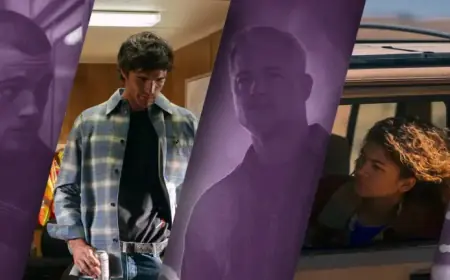
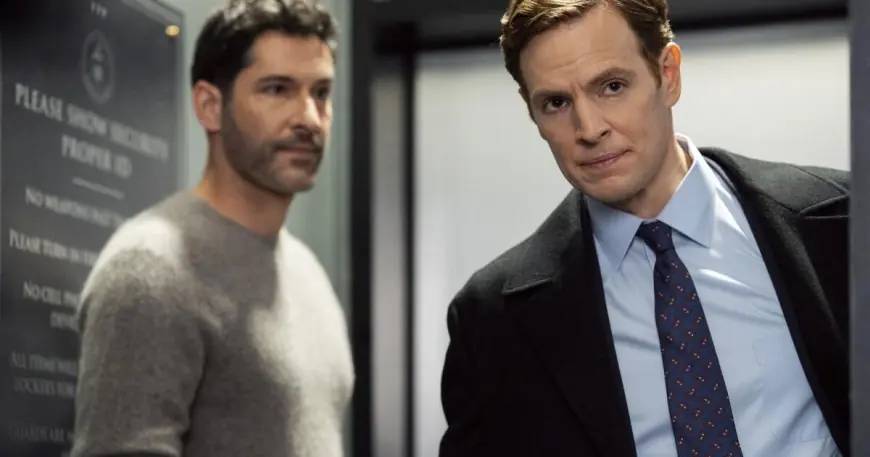
Tom Ellis plays CIA agent Colin Glass, presented as the loose, rule-averse counterpart; Nick Gehlfuss plays FBI agent Bill Goodman, the tight, by-the-book foil. The pair are deliberately contrasted through wardrobe and grooming — Colin's leather jacket against Bill's salaryman suit, differing hairstyles and facial hair — signaling their opposed approaches from first glance. Colin is said to have been born in America but raised in England, which explains an accent that plays into a James Bond–1990 vibe; a steam-room scene has him trading information with a Russian agent, establishing his more globe-trotting, improvisational methods. Bill, conversely, is described as having a law degree (graduating with highest honors), two tours in Afghanistan, and a patriotic, overachieving, enforcement-first outlook; he thinks like a cop and does not fully trust Colin.
Support cast notes and setup wrinkles
Guidance and backup on the team include Necar Zadegan, who was in NCIS: New Orleans, appearing in a supporting role as unclear in the provided context. A guest appearance by Jeremy Sisto as Jubal Valentine places an existing FBI figure in the story world; Jubal is the one who sends Bill to assist Colin and delivers the permanent assignment and the mole-warning in the premiere hour.
- Early implication: the show is built to trade on franchise familiarity rather than to reinvent the genre, so expect procedural rhythms to dominate at first.
- Immediate stakeholders: viewers who follow the parent FBI series and fans of the lead actors will feel the impact first; the partnership dynamic is the story's hinge.
- Signal to monitor: whether later episodes reduce the number of credited creators or stabilize the cast will indicate a clearer creative direction.
- Casting note: the leads' chemistry and prior TV associations (Ellis's long-running role elsewhere and Gehlfuss's transition from medical drama) are already shaping fan expectations.
Here’s the part that matters: the premiere does most of its work by installing familiar hooks — a stolen weapon or a mass-poisoning incident (unclear which), a forced partnership, and a mole to find — rather than breaking new ground. That will determine both audience appetite and the latitude writers have to change course.
Open questions and tonal signals
Reviewers left the first hour with many unanswered questions about character backstory, how the two agencies will cooperate in practice, and who the mole might be. The show is compared to grittier network takes on earlier cable buddy-comedy-lite eras, and some critics find it resembles earlier 2010s series that blended character banter with serialized plotting. Reaction also flags a recurring problem for franchise spin-offs: actors' previous, very recognizable roles can color reception — one lead's six-season run in a different series is noted as already influencing how viewers read his new character.
What's easy to miss is that a single preview hour both frees and limits critical judgment: it lets reviewers spot tone and intent but leaves many practical narrative choices unresolved. Recent updates indicate production choices and episode content may continue to shift as the season progresses; details may evolve.
The real test will be whether this hybrid CIA–FBI premise moves beyond an opposites-attract procedural into a character-rich series once the initial production adjustments settle.