

















Revolution’s Echo: Damascus Moves from 2012 Uprising to a New, Fragile Atmosphere

The description of life in Damascus has shifted from the pitched battles and nightly bombardments of mid-2012 to a present marked by cautious public energy. This evolution matters because the same forces that turned daily protests into a struggle for survival also appear to have created small spaces where speech and ordinary life are returning, even as repression and scars remain.
Revolution in Damascus: Development details
In July 2012, roughly a year into a democratic uprising, Damascus experienced a sharp escalation: armed militias were engaged with the national army, nightly distant bombs and gunfire punctured the city, and routine daily protests ground to a halt. Security forces began arresting people en masse and executing some on the spot, while hospitals recounted brutal abuses that drove many wounded patients to choose treatment in improvised home clinics. In that summer month, one resident transformed a household refrigerator into storage for vials of tetanus vaccine and spent weeks distributing shots to neighborhoods served by makeshift field hospitals, concealing needles on public minibuses to avoid checkpoints.
The human toll was immediate and practical: limb amputations became commonplace in field hospitals, shrapnel removal often occurred without anesthetic, and the fear of torture led some injured people to avoid official medical facilities. The combination of open combat between militias and the army and systematic detentions sharply curtailed public protest activity and reshaped daily survival strategies.
Context and escalation
The uprising and its violent suppression altered social alignments and individual choices. Some residents fled the country, others vanished, and those who remained navigated identity and protection in dangerous ways; for example, an individual’s hometown and family name could afford a degree of impunity or, if exposed, invite harsher reprisals tied to the ruling circle around President Bashar al-Assad. The initial year of conflict fragmented neighborhoods and turned kitchens into medical supply caches, while doctors and activists improvised networks to treat and evacuate the wounded.
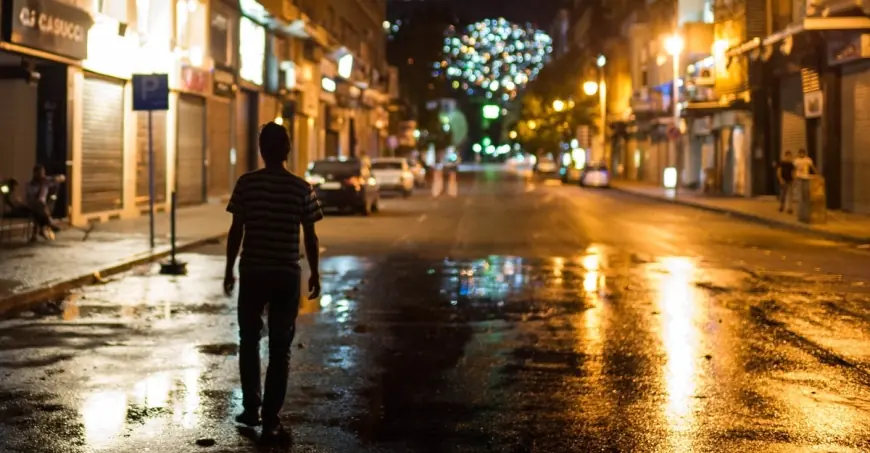
Over time, the dynamic shifted: the city that was kept intact—partly preserved under tight control—now shows worn infrastructure and clear economic strain after years of conflict, sanctions and foreign interventions. Yet the streets convey a distinct texture: cafes and public spaces are busy, women move through the city without visible hesitation, and conversations are less tightly policed than before. A formerly rigid architecture of silence has begun to crack, creating openings for critique and everyday negotiation.
Immediate impact
The most tangible consequences reach into daily routines. For weeks in 2012, volunteers and residents ran vaccine distribution runs to field hospitals, an improvised public-health response to wartime injuries. Today, public spaces such as the Umayyad Mosque host women in small groups—sometimes four at a time—who use the mosque’s perimeter as a place to let children run free for ten minutes while they claim brief respite. Cafés are described as full; ordinary commerce and social rhythms have reasserted themselves even as many buildings remain tired and services strained.
At the political level, governance remains contested: a transitional authority has emerged with a figure who polarizes opinion—named Ahmad al-Sharra—seen by some as a threat and by others as a rescuer. That polarization underscores how shifts in daily life coexist with unresolved political fractures and lingering security practices.
Forward outlook
Near-term milestones are concrete: the legacy of the 2012 crackdown continues to shape where and how people gather and seek care, while the visible loosening of speech marks a new phase in public life. Observers on the ground note both the persistence of material degradation—which will require years to remedy—and the immediate reappearance of civic rhythms. What makes this notable is that the same violence that emptied the streets in 2012 also set conditions for grassroots improvisation and eventual breathability in public discourse; those small openings may determine whether the fragile shifts in atmosphere solidify or are closed again.
Confirmed signals to watch include the endurance of informal social spaces, patterns of health-care access that were created under duress, and how public authorities respond to increased speech and criticism. These are evidence-based indicators of whether the city’s emerging normalcy will deepen or remain a precarious pause between cycles of suppression and survival.