






















Trump Criticizes Iran’s Efforts to Reopen Strait of Hormuz

In recent developments concerning the ongoing conflict in the Middle East, President Donald Trump has publicly criticized Iran’s handling of maritime operations in the Strait of Hormuz. His comments, made on April 10, 2026, highlight concerns about Iran’s compliance with a newly established ceasefire agreement involving the United States, Iran, and Israel.
Trump’s Critique of Iran’s Blockade
Trump took to social media to express his dissatisfaction, stating that Iran is not fulfilling its obligations regarding the free passage of oil through the Strait of Hormuz. He remarked, “Iran is doing a very poor job… of allowing oil to go through the Strait of Hormuz.” This situation marked a critical requirement for the U.S. to halt its military actions against Iran.
Impact of the Conflict
Since the conflict escalated in late February, maritime traffic through the Strait has plummeted. Hormuzstraitmonitor.com reported that as of April 10, only 7% of normal ship traffic had resumed. Within the last 24 hours, merely seven vessels managed to transit the waterway, a stark contrast to the pre-war average of 120 to 150 ships daily.
- More than 600 vessels remain stranded in the Gulf region.
- Iran has warned ships attempting passage without approval could be attacked.
- Fees have been implemented for ships willing to transit.
Violence in the Region
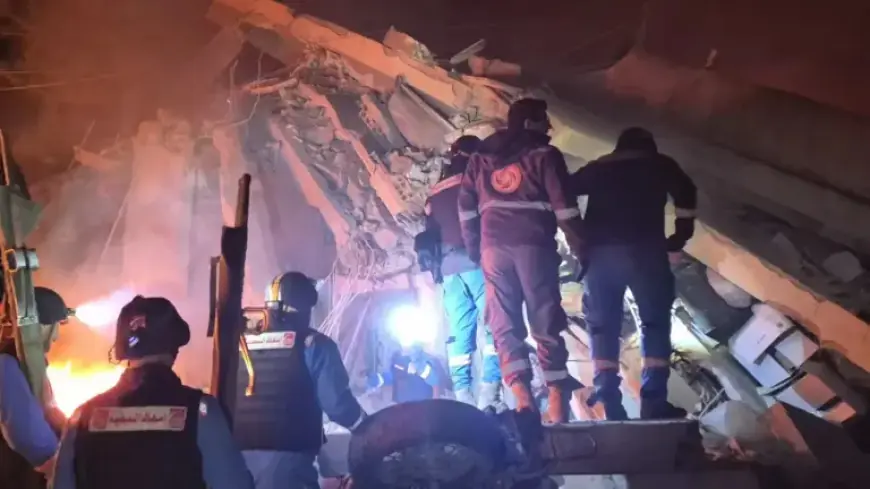
The military climate remains tense. Israeli airstrikes on April 9 and 10 have resulted in significant casualties and further violence. Notably, over 300 individuals were reported killed in one airstrike on Beirut. Iranian officials responded by closing the Strait, claiming Israel’s attacks violated the ceasefire terms.
International Reactions
Iran’s actions in the Strait of Hormuz have garnered widespread condemnation. Gulf nations, along with European countries, have criticized the blockade, asserting that it undermines international maritime laws. UAE Minister Sultan Ahmed Al Jabar emphasized that the strait must remain open and free from coercive controls.
Negotiation Efforts
High-level talks designed to facilitate a resolution to the ongoing crisis are scheduled to take place on April 11, 2026, in Islamabad, Pakistan. U.S. Vice President Vance is leading the American delegation, while Iran has yet to disclose its lead negotiator.
Israel and Lebanon are also preparing for direct talks next week, which could mark a crucial step toward alleviating tensions. However, Israeli Prime Minister Benjamin Netanyahu has firmly stated that military action against Hezbollah will persist despite the ceasefire.
Future Considerations
As negotiations unfold, questions concerning Iran’s new toll system for maritime activity loom large. Analysts warn that imposing tolls on international shipping could set a dangerous precedent, complicating future international maritime relations.
Overall, the situation remains fluid, with ongoing military engagement affecting diplomatic efforts. The re-opening of the Strait of Hormuz is critical for ensuring stability in global oil supplies and maritime security.