








Michael B Jordan and Delroy Lindo at Center of Backlash After BAFTA Slur, Broadcast Edits and Party Fallout

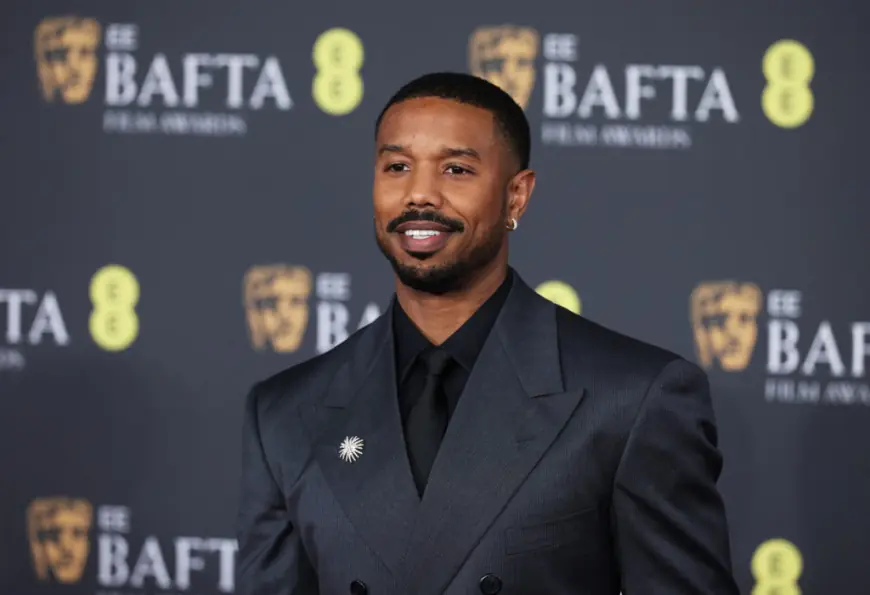
Why this matters now: michael b jordan and Delroy Lindo were onstage when a Tourette syndrome campaigner’s involuntary shouts included a racial slur, and the fallout is hitting performers, organisers and broadcasters at once. The episode has prompted public apologies, sharp criticism from prominent actors, debate over delayed broadcasting and editing choices, and fresh scrutiny of how disability, race and live events intersect.
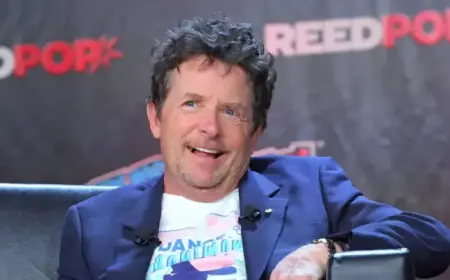
How Michael B Jordan and Delroy Lindo felt the moment
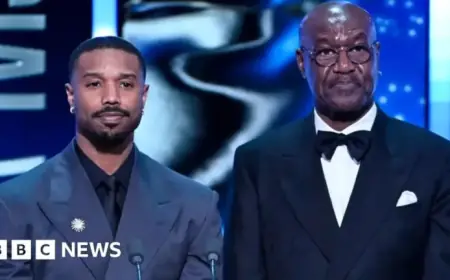
The slur was audible while Delroy Lindo and Michael B Jordan were presenting the award for best visual effects; both actors are Black. Witnesses noted Jordan appeared visibly startled when the outburst occurred. At a Warner Bros. after-party, Lindo said he and Jordan “did what we had to do” while presenting but wished someone from BAFTA had spoken to them afterward. Davidson, the Tourette syndrome campaigner involved, appeared to remove himself from the theatre during the ceremony.
What happened during the ceremony and on broadcast
Several shouts were audible during the first part of the ceremony, though an observer in the press room could not make out what was said. Host Alan Cumming made announcements during the ceremony explaining that Tourette syndrome is a disability and that tics can be involuntary; he offered an apology phrased as “We apologise if you are offended tonight. ” The epithet was included when the broadcaster aired the ceremony about two hours after the live event. The broadcast apology acknowledged the offensive language should have been edited out; the episode remained available briefly on the broadcaster’s streaming service before the programme was removed.
Reactions, apologies and criticism
Apologies were issued by the organisers and the broadcaster, acknowledging that some viewers may have heard strong and offensive language that arose from involuntary verbal tics associated with Tourette syndrome and stating regret for any offence caused. producers also said they “didn’t hear” the slur because they were working in a truck, a detail raised after a second apology.
Public figures reacted strongly. Jamie Foxx commented under a post about the incident with the words “Unacceptable” and “Nah he meant that shit. ” Jemele Hill said that Black people are often expected to tolerate disrespect so others do not feel bad. Wendell Pierce criticised the prioritisation of anything other than “complete and full throatted apologies to Delroy Lindo and Michael B Jordan, ” calling the treatment of the insult unacceptable. Sinners production designer Hannah Beachler said she had also had a racial slur directed at her and criticised what she called a “throwaway” apology, noting the phrasing “if you were offended. ” Beachler also wrote that the Davidson situation “happened 3 times that night, and one of the three times was directed at myself on the way to dinner after the show. ”
- Organisers apologised publicly and thanked Lindo and Jordan for their “incredible dignity and professionalism” (paraphrased from statements made in response to the incident).
- A campaigner present at the ceremony, John Davidson, said he was “deeply mortified” and that what he said did not reflect his personal beliefs; he left the auditorium early because he was aware of the distress his tics were causing.
- Some commentary argued the two-hour broadcast delay was a mistake and suggested the awards body had “shot themselves in the foot. ”
Aftermath at parties, awards dinner and surrounding details
After the ceremony, BAFTA hosted a dinner for nominees and guests where attendees were reportedly speaking about the incident. At one after-party, Lindo appeared in good spirits and was seen chatting with his co-star Wunmi Mosaku, who won the BAFTA for best supporting actress. Michael B Jordan attended another after-party briefly, listed as one of that event’s hosts. The film I Swear—based on Davidson’s life—was in the conversation because Davidson had attended while that film was up for multiple awards. The film’s star Robert Aramayo won a rising-star award and the lead-actor prize over front-runners Timothée Chalamet and Leonardo DiCaprio; Ryan Coogler won best original screenplay. An additional broadcast choice noted by observers: the did not air Akinola Davies Jr. saying “free Palestine” at the end of his speech.
Tourette syndrome context and disputed figures
Tourette syndrome is described in the material as a motor control or neurodevelopmental disorder characterised by muscular and vocal tics. An expert charity representative urged understanding and reminded the public that tics are involuntary and not a reflection of a person’s beliefs or intentions. Health information referenced in coverage described tics as sudden involuntary movements or sounds that can wax and wane and sometimes worsen with excitement or anxiety; people trying to suppress tics often report a buildup of tension beforehand.
Estimates for how many people with Tourette syndrome experience coprolalia—loud, involuntary swearing—vary in the available accounts, with figures given as roughly 10–15% in one place and 10–20% in another; that discrepancy is unclear in the provided context.
Here’s the part that matters for stakeholders: performers who were onstage, audience members, guests at after-parties, the awards organisers and the broadcaster have all been directly affected by how the episode was handled and explained. The real question now is who will change internal broadcast and guest-management practices in response.
What’s easy to miss is how many separate threads converge here—disability awareness, race, broadcast editing and guest management—all of which will shape how similar events are run going forward.
Key signals to watch for confirmation of any next moves include whether the broadcaster replaces the removed programme with an edited version, whether organisers revise delay/editing policies, and whether the awards body follows up directly with the presenters named in the incident.