





















Winter Olympics Gold Medals and the Verona Finale: How a Historic Arena Sealed Milan Cortina’s Two-Week Run

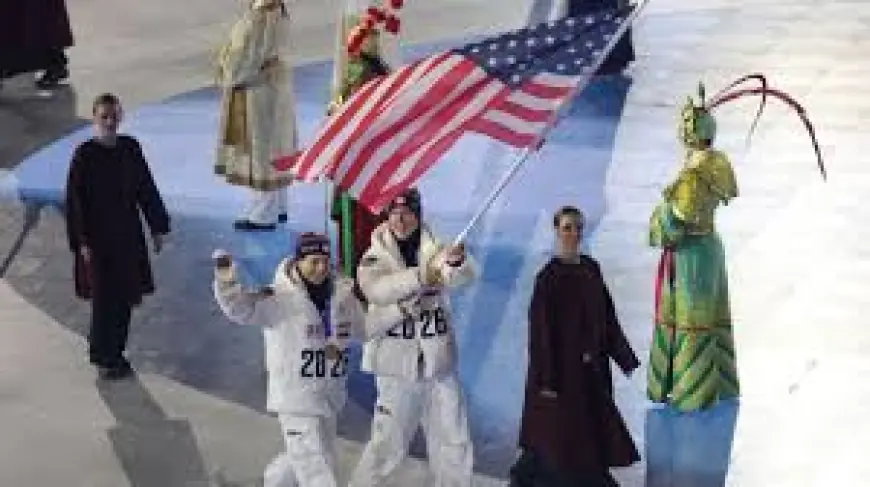
The closing night in Verona matters because it folded two scattered weeks of competition into one communal moment, and because it delivered some of the Games’ most decisive lines: 116 sets of medals across 16 sports, the final podiums onstage, and a new all-time Winter Olympics gold medals milestone in cross-country skiing. For athletes, hosts and fans, the ceremony reframed the Games not as a series of isolated events but as a shared ending beneath ancient stone arches.
Contextual rewind: what the Verona finale reveals about Winter Olympics Gold Medals and ceremony choices
What’s easy to miss is how the setting reshaped the meaning of those winter olympics gold medals. The Arena di Verona — a venue with roots stretching roughly two millennia and scars from an 1117 earthquake — has long hosted operas and concerts. Using that theater for the closing ceremony layered classical ritual onto modern sport: opera characters and singing, elaborate costumes, acrobatics and pyrotechnics framed athletes whose competitive stories had just concluded.
Here’s the part that matters: by bringing the medal winners of the Games’ endurance finale onto the arena stage, organizers created a direct through-line between athletic endurance and theatrical pageantry. The women’s 50k winner returned from a broken-ski fall to claim gold, and the men’s 50k winner completed a sweep that established a new all-time Winter Olympics gold medals record for his career. At the same time, one nation finished the Games with the most medals and the most golds overall, underscoring a competitive hierarchy born out across the two-week schedule.
Inside the closing night: atmosphere, athletes and the last podium
The mood in Verona skewed celebratory and loose: after the pressure of competition, athletes entered together in one long throng rather than the formal parade that opens the Games. Fans cheered most loudly for the host nation; musical accompaniment included a live performance by an iconic Italian band. Small gestures — teammates lifting one another, synchronized dances, athletes carried on shoulders — signaled relief and camaraderie.
Not all moments were purely festive. The Games closed amid lingering controversy over a decision to bar a skeleton athlete from competing with a politically themed helmet; that dispute touched the Games’ promise of unity and the enforcement of rules around political statements during competition. The head of the Olympic body closed the Games with remarks intended to emphasize unity and the unifying power of sport.
- 116 sets of medals were awarded across 16 sports during the Games, with the final podiums presented on the Verona stage.
- The women’s 50k winner recovered from equipment trouble to take gold; the men’s 50k winner swept the men’s cross-country events and set a new all-time Winter Olympics gold medals record.
- One nation emerged with the most medals and the most golds overall; the same nation swept the men’s 50k podium for the final awards.
- The closing ceremony combined opera, acrobatics and pyrotechnics in the ancient Arena di Verona, tightening a festival of sport into a single theatrical evening.
It’s easy to overlook, but the decision to stage the finale in Verona also meant thousands of participants and fans descended from mountain venues and nearby cities, arriving by road and rail to a single centralized ceremony — a deliberate counterpoint to the Games’ earlier spread-out footprint.
The real question now is how that concentrated closing frame will shape memories of the Milan Cortina Games: will the images of ancient arches and stage podiums stick as the defining pictures, or will individual athletic breakthroughs — including the newly set Winter Olympics gold medals mark — remain the longer-lived legacy?
A brief timeline: the Arena di Verona dates to roughly 2, 000 years ago; it survived an earthquake in 1117 and later hosted centuries of operas and concerts. Across two weeks of modern competition, organizers awarded 116 sets of medals across 16 sports and concluded with the Verona ceremony that reunited participants from across the region.
Mixed takeaways for different audiences: athletes leave with their competitive results and new records, local organizers close a culturally resonant chapter in an ancient venue, and viewers carry forward images that blend high art with athletic achievement. Signals that could confirm whether the ceremony reshaped the Games’ legacy include which images and stories endure in public memory and which athletic milestones — especially the recent gold-medal sweep and record — are most frequently cited in the months ahead.
The closing night stitched together spectacle and sport in a way that emphasized ritual as much as result, and it made the final distribution of winter olympics gold medals feel both ceremonial and consequential.