

























Cancun Travel Chaos: Hundreds Stranded as Security Alerts and Airport Delays Collide Ahead of Spring Break

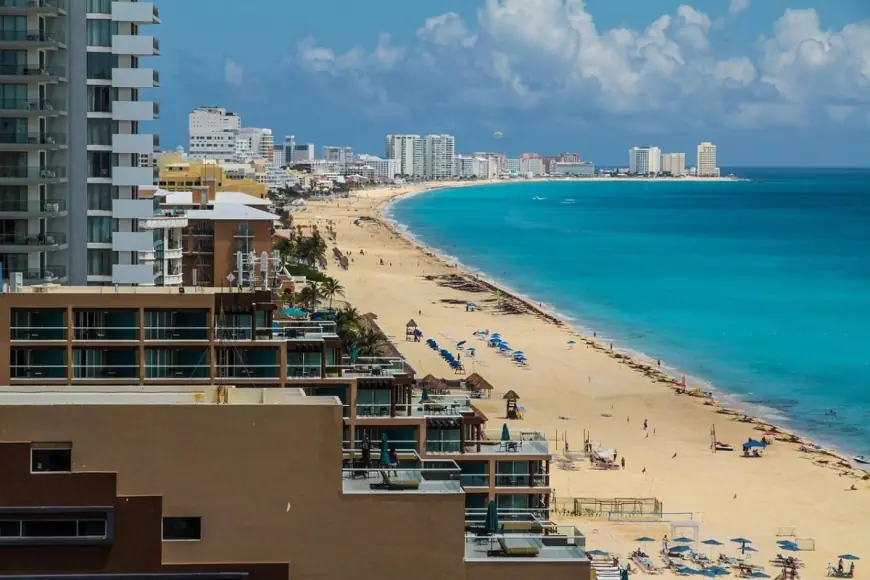
With just weeks before U. S. Spring Break, cancun-bound travelers and those transiting through Mexico are feeling the immediate impact of coordinated disruptions: security alerts that urged sheltering in place, airport delays and cancellations that left hundreds stranded, and health notices that add another layer of concern for visitors to Quintana Roo. The timing amplifies consequences for tourists, business travelers and local operations that connect North America and Europe to Mexico’s Caribbean coast.
Cancun’s immediate impact: who is stuck and why it matters
Dozens of flights at Cancún International Airport (CUN) were delayed or canceled on February 23, 2026, leaving hundreds of passengers stranded while airport operations remained open. Reinforced security at the terminal has helped keep CUN functioning, but the knock-on effects — missed connections, long queues and scrambling passengers — are hitting international tourists, business travelers and domestic commuters during one of the busiest travel windows of the year.
Operational snapshot: scale of delays across two hubs
Across Cancún and Mexico City’s Benito Juárez International Airport, a combined 62 delays and 29 cancellations were recorded. Cancún accounted for 40 delays and 23 cancellations, while Mexico City saw 22 delays and six cancellations. Multiple carriers were affected: Aeroméxico recorded three cancellations and 10 delays; American Airlines had one cancellation and two delays; Volaris logged six delays; Avianca and Delta also reported delays. Passengers described long lines, extended waits and confusion as airlines reorganized aircraft and crews.
Why flights were disrupted and what reinforced security looked like
The immediate disruptions are linked to broader regional instability. Road blockages and criminal activity across multiple Mexican states complicated crew movements and logistics, creating ripple effects that reached CUN even as airport officials confirmed the terminal remained operational with no closures. The worst cancellations hit Puerto Vallarta and Guadalajara, where roadblocks suspended most services; Cancun experienced substantial but not total suspension. Airlines were described as working to stabilize schedules as ripple effects continued through the day.
U. S. Embassy alert, travel advisory level and practical travel guidance
An updated security alert issued on February 22, 2026 urged U. S. citizens in Cancun and other parts of Quintana Roo — including Cozumel, Playa del Carmen and Tulum — to shelter in place until further notice. The alert highlighted ongoing security operations, road blockages and heightened criminal activity. The State Department travel advisory for Quintana Roo remains at Level 2: Exercise Increased Caution, with a warning about risks from civil unrest. Local embassy guidance noted that no airports were closed nationwide but recommended monitoring local media, checking road conditions and keeping family informed of whereabouts.
Here’s the part that matters for travelers: expect delays, allow extra time, and speak directly with airline representatives about rebooking or refunds under Mexican passenger rights rules. The burden of rerouting aircraft and assisting passengers falls largely on airlines and airport operations teams when delays accumulate.
Health alerts and the seasonal mosquito-borne disease picture
In addition to security and operational concerns, travelers to Quintana Roo should be aware of mosquito-borne illnesses: dengue, chikungunya and Zika, all transmitted primarily by Aedes mosquitoes. Dengue remains endemic in Mexico; in 2025 the country recorded approximately 141, 421 total cases and 85 deaths. Quintana Roo, Veracruz and Sonora accounted for a notable share of cases last year. In early 2026 (through epidemiological week 4) activity was low, with 185 confirmed cases and 1, 972 probable cases reported in the first two weeks — an 83% decrease compared with the same period in 2025 — though seasonal increases remain possible. Chikungunya was sporadic and low in 2025, with four confirmed infections mainly in southern states including Quintana Roo, Chiapas and Yucatan. Zika activity declined sharply from prior years; 2025 saw four confirmed cases nationwide, down from 30 in 2024. Zika poses special risks to pregnant women. Public health agencies emphasize mosquito-bite prevention as a standard precaution for travelers.
- Key takeaways: Expect operational friction during the spring travel peak; plan for delays and potential rebooking needs.
- Key takeaways: Security alerts urged sheltering in place for U. S. citizens in Cancun, Cozumel, Playa del Carmen and Tulum; no nationwide airport closures were announced.
- Key takeaways: Combined airport impact totaled 62 delays and 29 cancellations across Cancún and Mexico City, with Cancún bearing the larger share.
- Key takeaways: Airlines faced crew and logistics complications driven by road blockages and criminal activity across states, while weather and passenger volumes added pressure.
- Key takeaways: Health risks from dengue, chikungunya and Zika remain a background consideration; mosquito prevention is advised, especially for pregnant travelers.
What’s easy to miss is how quickly local road disruptions can cascade into international schedule problems through crew rotations and aircraft positioning — a small blockage can ripple into dozens of delayed passengers across multiple flights. The real question now is whether airlines will stabilize rotations in time for the peak travel days ahead.
Timeline (short): Feb 22, 2026 — U. S. Embassy issued updated security alert; Feb 23, 2026 — dozens of flights at Cancún International Airport delayed or canceled, hundreds stranded; early 2026 (epidemiological week 4) — mosquito-borne disease reporting shows reduced activity but seasonal risk noted. Details may evolve as operations and security situations change.