








Yoko Taro Joins New Neon Genesis Evangelion Series — What That Means for the Franchise’s Tone and Future

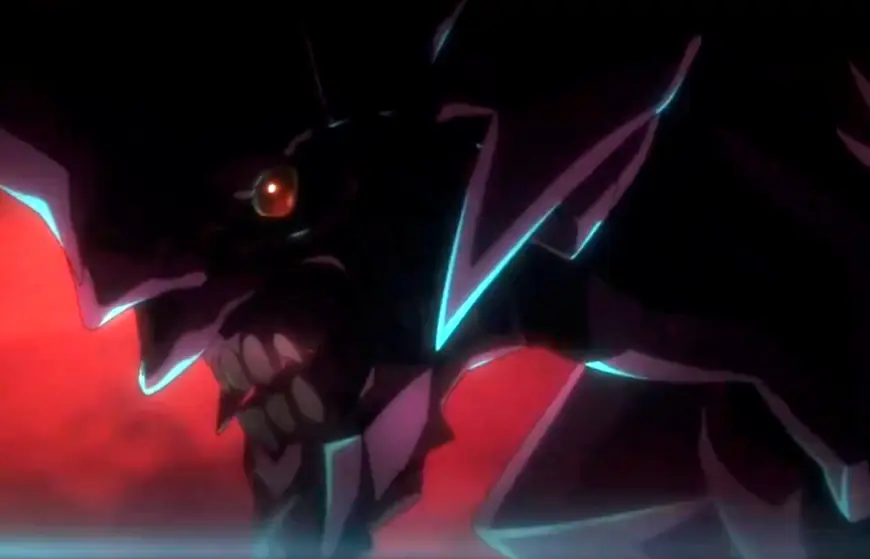
Why this matters now: With yoko taro tapped to write and shape the series composition for a new Neon Genesis Evangelion TV run, the creative direction of one of anime’s most influential properties is explicitly shifting. Hideaki Anno will not be writing the scripts, and the production—announced at the franchise’s 30th anniversary event in Yokohama—pairs long-time Evangelion director Kazuya Tsurumaki and co-director Toko Yatabe with composer Keiichi Okabe under Studio Khara and CloverWorks. Plot details are still unclear.
Yoko Taro’s appointment changes the immediate creative equation
The appointment of Yoko Taro places a creator best known for the NieR games at the narrative helm of Evangelion’s television return. Yoko Taro is described here as the creator of NieR; he is also noted for wearing a giant and rather unsettling moon mask. Because Hideaki Anno will not be writing scripts for this project, the series composition role now rests with Yoko Taro and that shift is the single biggest creative pivot disclosed so far.
Event and production details (embedded, not step-by-step)
The new series was announced during a 30th anniversary event held in Japan, with reports specifically placing the announcement in Yokohama. Animation production is credited to Studio Khara and CloverWorks. A trailer exists but is light on details, and the production team has not revealed the plot—so it is unclear in the provided context whether this will be a remake, a sequel, or a spin-off in the vein of earlier chibi projects like Petit Eva: Evangelion@School.
Core team and their pedigrees
- Kazuya Tsurumaki is named as a director; his past credits include directing the Rebuild of Evangelion films and the recent Mobile Suit Gundam GQuuuuuuX anime.
- Toko Yatabe will direct alongside Tsurumaki.
- Keiichi Okabe is composing the score; he is associated with the NieR franchise and is also described in the context as a Tekken composer.
- Yoko Taro has prior TV script experience, having co-written the NieR: Automata anime spinoff.
Here’s the part that matters: the combination of Yoko Taro’s narrative style and Okabe’s musical identity alongside longtime Evangelion collaborators reframes expectations about tone even though story specifics are missing.
What Evangelion’s past implies about stakes and themes
The original Neon Genesis Evangelion series originally made its name in the 1990s and is known for its themes of teenagers piloting giant Evas against Angels and for engaging with existential uncertainty, theology, mental health, anxiety, depression, coming of age, and familial resentment. The original run comprised 26 half-hour episodes and a wrap-up movie that effectively replaced the final two broadcast episodes because those episodes were highly abstract. The Rebuild of Evangelion films retold the series with different plot elements and a new ending and were released between 2007 and 2021. Those precedents set a high bar for tonal complexity and narrative reinvention.
Key takeaways
- Production: Studio Khara and CloverWorks are producing the series announced at the 30th anniversary event in Yokohama.
- Creative leadership: Hideaki Anno will not write scripts; Yoko Taro handles scripts and series composition, with Kazuya Tsurumaki and Toko Yatabe directing and Keiichi Okabe composing.
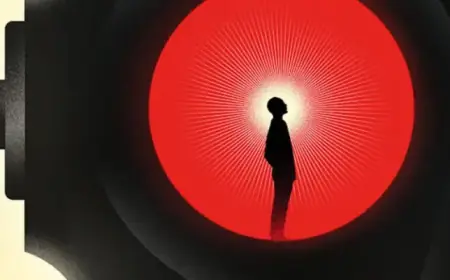
- Public material: A trailer has been released but contains few plot details.
- Unclear elements: It is not yet known whether the show is a remake, sequel, or spin-off.
What’s easy to miss is that Yoko Taro’s own franchise, NieR, grew out of a PS2 title called Drakengard in which a particular ending propels a boss into modern Tokyo and triggers a chain of events—a narrative seed that, in the provided context, eventually produces NieR’s post-apocalyptic setting through a catastrophic virus. That lineage is part of why some observers expect tonal unpredictability here.
Forward signals and practical next steps
The real question now is whether future promotional drops will clarify whether this project retells existing storylines or forges a new continuity. Confirming plot direction or episode rollout in upcoming trailers or official production updates will be the clearest signals that reveal how radical the change is. For now, the combination of Yoko Taro’s authorship, Tsurumaki and Yatabe’s direction, and Okabe’s score constitutes the known core team; narrative specifics remain unclear in the provided context.
Timeline note: the franchise’s TV roots in the 1990s and the Rebuild films’ release window from 2007 to 2021 provide recent precedent for major retellings and reimaginings; this new TV project sits inside that history but has not yet disclosed its place within it.
Image and trailer details: a teaser exists but offers few concrete clues; schedule and plot are subject to change and will be clarified in future announcements.