

























Cancun travel alert as cancun airport delays strand hundreds

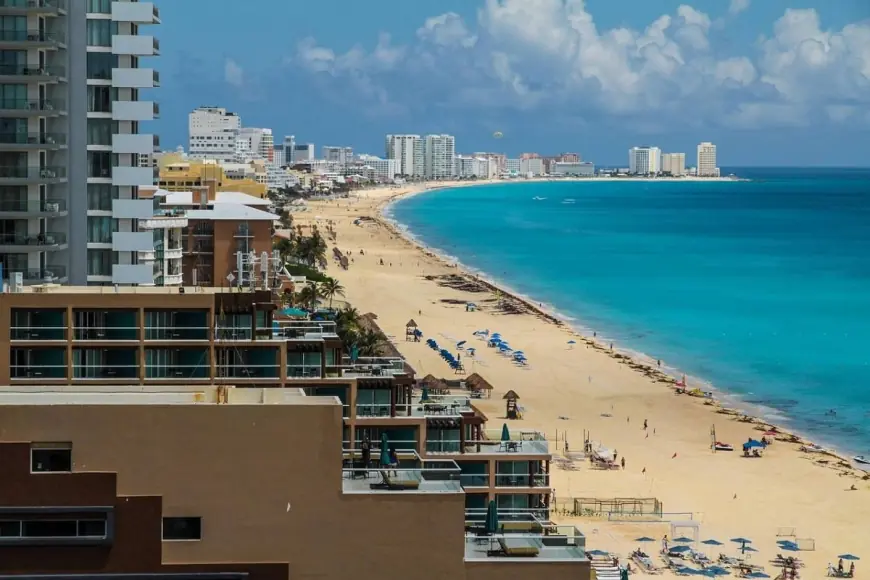
With just a few weeks left until Spring Break 2026 in the United States, cancun is at the center of travel disruption and safety concerns. On February 23, 2026 travelers at Cancun International Airport faced dozens of delayed or canceled flights and hundreds were left stranded amid heightened security measures, even as airport Cancun International Airport (CUN) remains operational with no reported closures.
Cancun airport status and disruptions
The chaos at CUN is tied to broader regional instability that prompted urgent security warnings from the U. S. Embassy. Reinforced security presence at the airport has helped maintain functionality, but airlines are working to stabilize schedules as ripple effects continue throughout the day. The disruptions are linked to road blockages and criminal activity across multiple Mexican states, which have indirectly impacted airline operations by complicating crew movements and logistics.
Benito Juárez and Mexico City
Disruptions have affected Benito Juárez International Airport as well, amplifying travel chaos across two of Mexico's busiest air hubs. A combined total of 62 delays and 29 cancellations were recorded across the two airports: Cancún was hit hardest with 40 delayed flights and 23 cancellations, while Mexico City reported 22 delays and six cancellations. Cancún, which welcomed more than 29 million visitors last year, serves as a critical gateway connecting North America and Europe to Mexico's Caribbean coast; even modest disruptions quickly spread through airline rotation schedules and crew assignments.
Security alert for Quintana Roo
Compounding travel woes, the U. S. Embassy in Mexico issued an updated security alert on February 22, 2026 urging American citizens in Cancun and other parts of Quintana Roo state—including Cozumel, Playa del Carmen, and Tulum—to shelter in place until further notice. The alert cites ongoing security operations, road blockages, and heightened criminal activity as primary concerns. The U. S. government has noted the most severe flight cancellations have hit airports in Puerto Vallarta and Guadalajara—where roadblocks have led to the suspension of most services—but Cancun has not been spared.
The State Department's travel advisory for Quintana Roo remains at Level 2: Exercise Increased Caution, warning of risks from civil unrest. The local U. S. embassy emphasized that while no airports have been closed nationwide, travelers should monitor local media, check road conditions, and keep family informed of their whereabouts.
Flight numbers, carriers and queues
Multiple carriers operating domestic and international routes were impacted. Aeroméxico experienced three cancellations and 10 delays. American Airlines recorded one cancellation and two delays, while Volaris logged six delays. Avianca and Delta Air Lines also reported delays. Passengers at both airports described long queues, extended waits and confusion as airlines worked to reorganize schedules. Contributing factors cited for the disruption include surging passenger volumes, operational pressures on airlines, crew availability and weather-related disruptions. The burden of rerouting aircraft and assisting passengers falls largely on airlines and airport operations teams when delays accumulate.
For travelers with tight connections, delays of several hours can result in missed tours, lost hotel bookings and unexpected expenses. Travelers are advised to check flight status through official airport portals or airline apps before departing for the terminal. Mexican passenger rights regulations generally entitle travelers to rebooking or refunds for canceled flights, and passengers are encouraged to speak directly with airline representatives about their options. While the airports remain open, ongoing disruptions mean travelers should expect delays and allow extra time as operations stabilize.
Mosquito-borne illnesses and numbers
In addition to security concerns, travelers to Cancun and the surrounding areas in Quintana Roo should be aware of ongoing risks from mosquito-borne illnesses including dengue, chikungunya, and Zika, transmitted primarily by Aedes mosquitoes. Dengue remains endemic in Mexico with significant fluctuations in case numbers; in 2025 Mexico reported approximately 141, 421 total cases, resulting in 85 deaths nationwide. Quintana Roo and neighboring states such as Veracruz and Sonora accounted for a notable share of cases last year.
As of early 2026 (through epidemiological week 4), Mexico has seen low activity, with 185 confirmed cases and 1, 972 probable cases reported in the first two weeks alone—an 83% decrease compared to the same period in 2025, though experts warn of potential seasonal increases. Chikungunya transmission has been sporadic and low in recent years: in 2025 only a handful of cases were documented nationwide, with reports indicating just four confirmed infections, primarily in southern states like Quintana Roo, Chiapas, and Yucatan. The Pan American Health Organization notes that Zika virus activity in Mexico has declined sharply since the 2015-2016 epidemic; in 2025 only four confirmed cases were reported nationwide, down from 30 in 2024. The Pan American Health Organization says Zika poses particular risks to pregnant women because of potential birth defects. The U. S. CDC and the Pan American Health Organization emphasize mosquito bite prevention for travelers and residents alike.
Closing: Airports remain open but unstable. Travelers should expect delays, follow the U. S. Embassy's shelter-in-place guidance where issued, monitor local media, check road conditions, and take recommended health precautions for mosquito-borne illnesses as operations work to stabilize.