









Mexico News: Cartel reprisals after El Mencho’s death raise worry over World Cup security


The killing of Nemesio Rubén Oseguera Cervantes, known as El Mencho, in a federal raid has triggered widespread cartel violence across Mexico. The backlash has killed dozens, cleared more than 250 roadblocks and disrupted travel — developments that cast immediate pressure on security plans for this summer’s Fifa World Cup.
Mexico News: World Cup host cities under new security strain
Guadalajara, Mexico City and Monterrey are scheduled to host a combined 13 matches in this summer’s tournament: Guadalajara is set for four matches, Mexico City five and Monterrey four. The violence began in Jalisco and has spread to at least a dozen more regions, prompting concern that the conflict could complicate preparations for visiting fans and teams. What makes this notable is the cartel’s economic stake in tourism: members of the Jalisco New Generation Cartel buy restaurants, own hotels and benefit when foreigners spend money in Mexico, creating an incentive for maintaining peaceful conditions even amid retaliation.
El Mencho's death and the federal raid
Authorities attempted to capture Nemesio Rubén Oseguera Cervantes on Sunday in the western state of Jalisco. The raid produced a firefight that fatally wounded El Mencho and killed six of his accomplices. Defence Minister Ricardo Trevilla said the information that led to the operation came from a romantic partner. The leader, aged 59, ran the Jalisco New Generation Cartel (CJNG), a group described as the country’s most powerful criminal organisation.
Jalisco: code red, roadblocks and burned vehicles
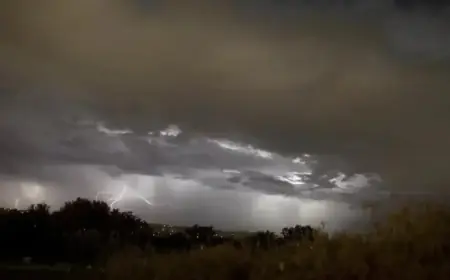
Violence erupted in central-western Jalisco, where a code red security situation has been declared. Cartel foot soldiers blocked roads by torching cars and buses; videos circulating online showed gunmen patrolling streets and smoke rising over cities. Authorities said all of the more than 250 cartel roadblocks across 20 states had been cleared, while schools in the west were closed and international travellers were left stranded. The U. S. government advised Americans in Jalisco to shelter indoors until further notice, and Canada cancelled flights to the Puerto Vallarta airport. Flight-tracking records showed many aeroplanes returning to their departure points and some flights were diverted, though airports in Guadalajara, Puerto Vallarta and Tepic were operating normally.
National Guard and casualty figures
Retaliatory attacks by cartel gunmen have produced heavy casualties. Security minister Omar García Harfuch said 25 members of the National Guard and one security guard were killed in the violence; other briefings put the figure of National Guard deaths at 25 within 24 hours. Officials also reported that 30 cartel operatives were killed and that one bystander died. Videos and eyewitness accounts showed vehicles and buildings ablaze across affected cities.
Puerto Vallarta and Guadalajara disruptions, public safety responses
Puerto Vallarta issued public advice to stay indoors as cars and buildings burned and tourists walked beaches with smoke in the distance. In Guadalajara, the streets were almost empty as fearful residents stayed home; the city is the capital of Jalisco and has a population of more than a million people. More than 1, 000 people were sheltered overnight inside Guadalajara’s zoo: director Luis Soto Rendón said they decided to let people stay inside the zoo for safety, noting there were small children and senior citizens among them. President Claudia Sheinbaum urged calm, and the foreign ministry released a statement asserting that the rule of law prevails and that work continues every day to ensure security and wellbeing in the country.
Analysts and officials offered competing warnings about what comes next. Javier Eskauriatza, an assistant professor of criminal law, said that when authorities press cartels you can expect pushback and that such responses are designed to look national through social media amplification. David Mora, a Mexico analyst for the International Crisis Group, said El Mencho ran a highly centralised organisation with no clear direct heir, a structure that could produce internal struggles for control and invite other cartels to seize turf.
The CJNG is estimated to be worth more than £10bn, has tens of thousands of members and has been implicated in massacres, kidnappings and killings of politicians since its formation in 2009. Some cartel figures retain local popularity by financing infrastructure and facilities, a factor that complicates security operations. Fifa has been contacted for comment on potential impacts to the tournament. The situation remains fast-moving and it is unclear in the provided context whether the violence will continue.