























New York Blizzard Forces Travel Bans and State of Emergency as Historic Nor'easter Strikes

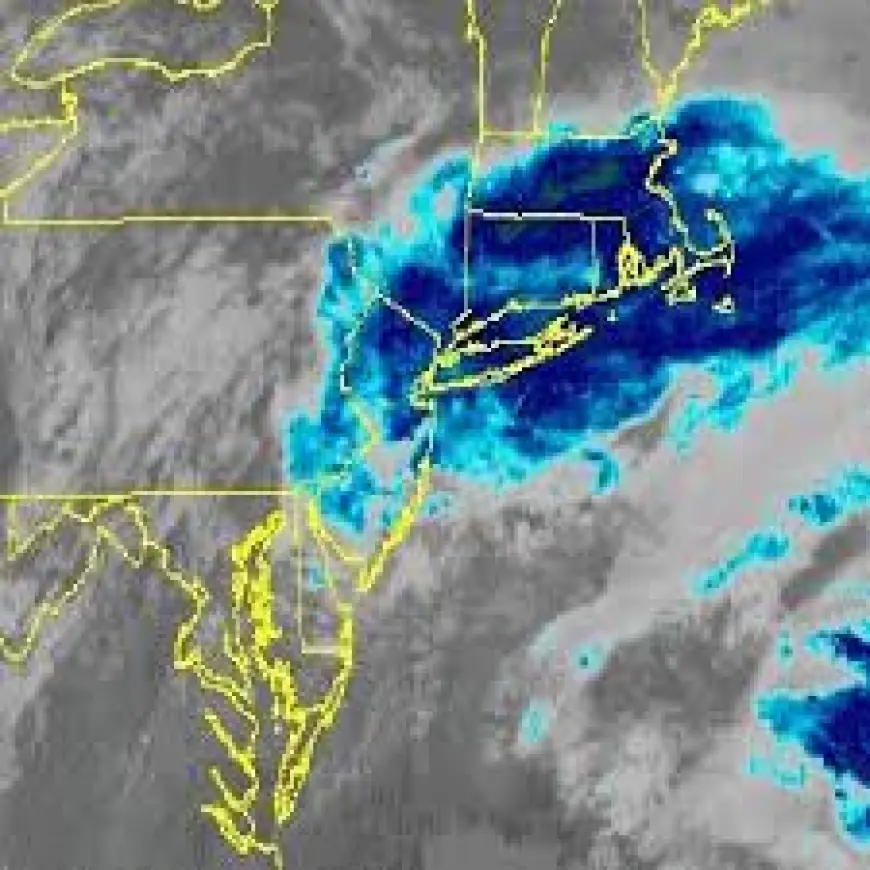
The new york blizzard intensified into a major emergency for the US north-east as cities and states moved to restrict movement, cancel events and prepare for life-threatening conditions. Travel bans and states of emergency were put in place while forecasters warned of heavy snowfall, fierce winds and coastal flooding that could make travel nearly impossible.
New York Blizzard: Full travel ban in the city
A full travel ban in New York City began on Sunday evening and is set to remain in place until noon local time on Monday. City leaders said all streets, highways and bridges would be shut to traffic except for emergencies, and schools were ordered closed. Officials warned the city could receive 18-24 inches of snow, with pockets of up to 28 inches expected overnight into Monday, and temperatures plunging as low as -6C (20F).
Widespread power outages and escalating flight cancellations
The storm knocked out power to tens of thousands of properties. Nearly 90, 000 properties were without power in New Jersey alone, with tens of thousands more affected across Delaware, Maryland and Virginia as of 03: 00 local time (08: 00 GMT), a regional outage tracker showed. Flight disruption was severe: around 5, 500 US flights were cancelled on Sunday and hundreds more were delayed, with thousands more cancellations reported on Monday. New York's John F Kennedy and LaGuardia airports were the worst affected.
Snow rates, accumulations and dangerous travel conditions
Forecasters warned of intense snowfall rates of roughly 2-3 inches per hour in parts of the affected region, with total snowfall likely to reach 1-2 feet (30-60cm) in places. Several inches had already fallen in many areas; 10 inches (25cm) was recorded in Manorville, New York, and Howell, New Jersey, as of midnight local time (05: 00 GMT on Monday). Weather officials described travel as nearly impossible and extremely treacherous during the storm.
Scope of the storm: states of emergency and regional alerts
Some 59 million people were under weather warnings and multiple states declared states of emergency ahead of the storm. Several states put travel restrictions or bans in place as the system spread across the north-east and into Canada's maritime provinces, with forecasters saying much of the area would be affected from Sunday evening into Monday.
Government response, emergency preparations and safety warnings
New York's governor declared a state of emergency for the entire state and placed 100 members of the National Guard on ready alert. Local leaders warned residents to prepare for power outages and hazardous conditions; coastal areas were expected to see the highest wind gusts, up to 65-70 mph (104-112 km/h), raising the risk of downed tree limbs and disrupted utilities. The governor warned that many people could be left without power and urged precautions.
City life, events and human impact
Broadway shows were cancelled on Sunday evening, and the New York Racing Association cancelled eight horse races scheduled at Aqueduct Racetrack. City officials noted that this is the first blizzard warning for New York City in nine years and the second major snow event during the current mayor's administration; local officials referenced a prior winter emergency that had seen 19 people die during a three-week cold snap earlier in the year. A Brooklyn resident described the difficulty of travel and the pressure of work obligations despite road closures, noting that jobs and calls do not stop even as movement is suspended.
Emergency planners emphasized that conditions remain dangerous and urged residents to stay off the roads. Details may continue to evolve as crews work to assess accumulations, restore power and reopen transportation arteries.