

























Dementia: How regular dance practice may shift who feels the effects of cognitive aging

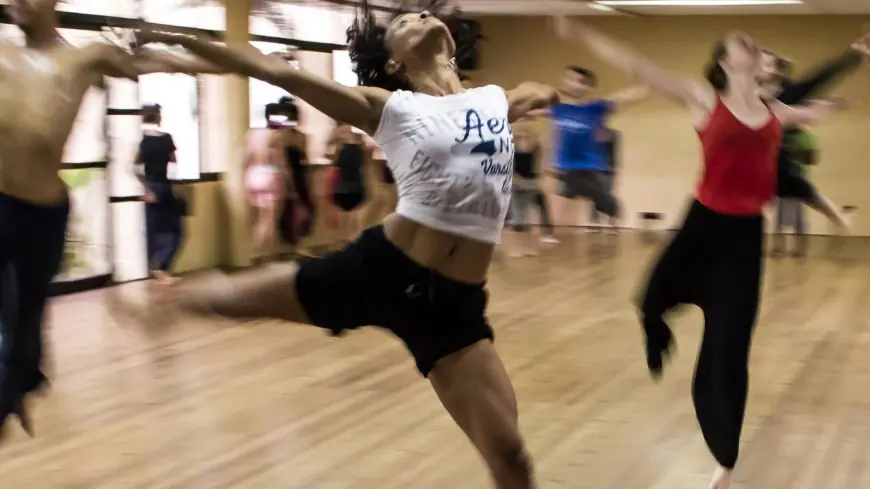
A study published in 2025 ties regular dance practice to brain characteristics that, on certain markers, resemble those of people up to seven years younger — a detail that matters for anyone worried about dementia risk or age-related memory changes. The important point is who benefits first: people who move regularly, versus those who are more sedentary. This shifts the question from a single miracle activity to which habits reliably protect thinking over time.
Dementia — who feels the immediate impact
Here’s the part that matters: the study found differences in brain markers between people who dance regularly and those who are more sedentary. Those who dance showed markers less marked by aging and some indicators tied to memory and learning appeared better preserved. For readers concerned about dementia, this positions regular, engaging movement as a potentially meaningful part of preserving cognitive function, without promising reversal of aging.
What the 2025 research actually measured
A study published in 2025 and related research observed that regular dancers’ brains showed characteristics that are, on some measures, up to seven years “younger. ” It is important to note that the brain cannot literally turn back time; rather, certain structure or function markers resembled those seen in younger individuals. The observed gains were described as differences in specific brain markers and in indicators tied to memory and learning.
Why dance is different from simple exercise
If you’re wondering why this keeps coming up in coverage of movement and cognition: dance combines multiple demands at once. Dancing asks you to memorize sequences, anticipate rhythm, coordinate movement in space and sometimes interact with a partner. Memory, attention, balance, sensory perception and executive functions are engaged together. That multiple stimulation activates brain plasticity — the brain’s ability to create and strengthen neural connections throughout life — which plays a role in learning and preserving cognitive functions.
Quick Q&A on practical takeaways
- How large is the effect? Researchers reported differences of up to seven years in certain brain markers when comparing regular dancers with more sedentary people.
- What type of dance counts? A few sessions per week of ballroom, salsa, contemporary dance or even classes taken at home were highlighted as examples; regularity is the key factor.
- How often do you need to practice? The observed benefits were tied mainly to regularity; a few sessions per week can be enough.
Perspective, limits and encouragement
It’s essential to keep this result in perspective. The benefits described are associations with more favorable brain markers, not proof that any one activity prevents dementia. A global health authority also notes that regular physical activity helps reduce the risk of cognitive decline, and dance fits those recommendations while adding social, musical and emotional engagement that encourages consistency. Moving shouldn’t become an added pressure or a new obligation to ‘‘stay young at all costs. ’p>
What’s easy to miss is that the observed advantages appear tied to maintaining a habit, not to a single course or dramatic reversal; choosing an activity you enjoy improves the chances you’ll keep it up long-term. You can dance for pleasure, opt for another activity, or simply move when and how it fits your life — the emphasis in the study is on consistent, gentle repetition that supports brain-stimulation mechanisms.
Ultimately, dance illustrates a broader link between movement and brain health: combining physical activity with cognitive, social and emotional engagement appears to produce a richer stimulus for the brain than movement alone. The findings add a nuanced data point to conversations about dementia and cognitive aging, while reminding readers that aging itself is natural and not something to be waged war against.