















Jane Andrews Now: New Drama Divides Critics as Family Reacts to Graphic Retelling

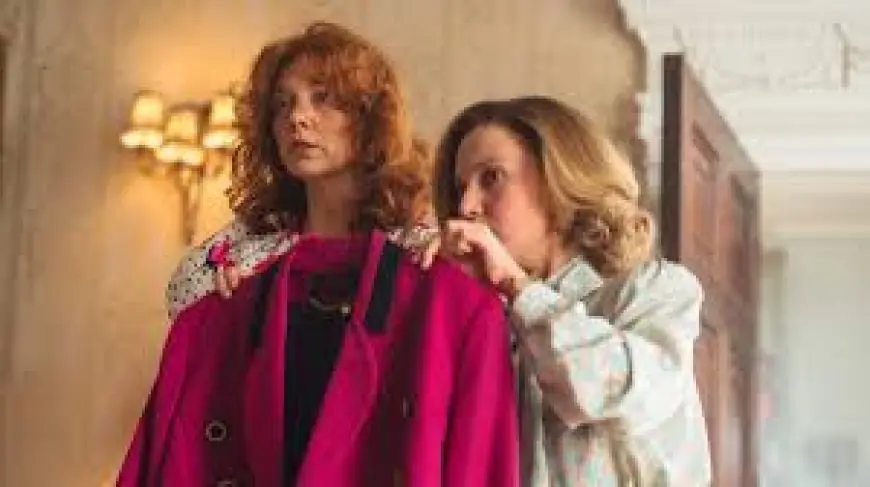
jane andrews now is the subject of a newly released four-part drama that has prompted sharply divided reactions: critics call the series a gaudy, tone-shifting mess while the murdered man’s brother says watching the final episode brought him to tears. The show reimagines the rise and fall of Jane Andrews and the events that culminated in a brutal killing.
Creative framing and a contested disclaimer
The series opens with a prominent on-screen disclaimer stating it was inspired by a true story and warning that some names have been changed and some characters, events and scenes have been created or merged for dramatic purposes. Reviewers say that choice sets the tone for a production that repeatedly shifts style and mood rather than committing to a single approach.
Jane Andrews Now: casting, tone and central scenes
The drama places its focus on Jane Andrews, a former M& S employee from Grimsby who served as a dresser to Sarah Ferguson from 1988 to 1997. Casting places Natalie Dormer in the role of Sarah Ferguson and Mia McKenna-Bruce as Jane Andrews. Early in the first episode, a moment roughly 16 minutes in depicts a flamboyant entrance by the royal figure into Andrews’ job interview at Buckingham Palace, a scene that reviewers singled out as emblematic of the series’ tonal confusion.
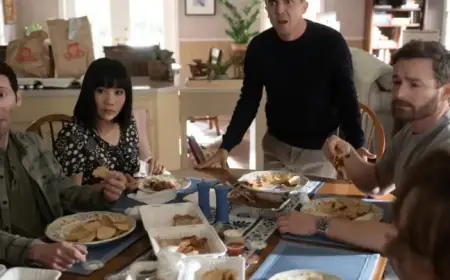
Critics note a mixture of elements — shopping montages, champagne receptions and pop-music cues — set against police-procedural rhythms and domestic melodrama. At the same time, multiple reviews highlight Mia McKenna-Bruce’s performance as a strong point, describing her portrayal as a notable achievement amid uneven material.
How the series portrays the crime and investigation
The narrative threads a police investigation through its more glamorous scenes. The program depicts the murder of Thomas (Tom) Cressman in September 2000; Cressman is described in coverage as a former stockbroker and as a businessman from Warwickshire. Dramatic sequences show a detective at the crime scene and other elements of an inquiry, while domestic detail and the shifting timeline move between the lead-up to the attack and its aftermath.
Context in the dramatization includes a depiction of Andrews’ deteriorating stability and scenes in which she seeks comfort from her mother, played by Claire Skinner. A detective character, DCI Jim Dickie, is portrayed on screen by Philip Glenister and is shown working the case.
Family response and the ethics of dramatizing loss
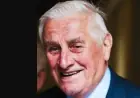
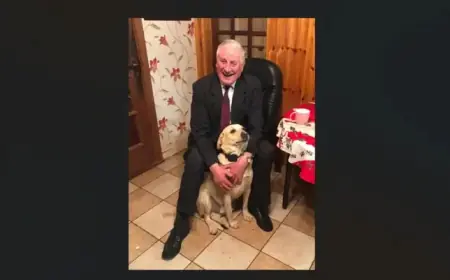
Rick Cressman, the brother of Tom Cressman, says watching the new four-part drama left him feeling very tearful by the final episode. He has described long-standing concerns about fictionalising a genuine, living family tragedy and says protecting his brother’s memory and legacy has been important to him. Ahead of the broadcast he was given a private screening, and he emphasised that he has cooperated with media over the years out of a sense of duty to his brother.
Rick Cressman expressed frustration at repeated dramatizations: he noted an announcement in December of 2024 that this four-part fictionalised drama was being made, and said other projects are also underway. He referenced an upcoming production involving major international news and streaming organisations that would be the twelfth TV production about the case.
Legal outcome and unresolved context in the record
The dramatization recalls the legal outcome: the then-34-year-old defendant denied the killing on the basis that the victim would not marry her, but following a conviction she was ordered to serve at least 15 years in prison in 2001. The series also locates Andrews’ origins in Cleethorpes, north-east Lincolnshire, and notes she was employed by Sarah Ferguson for nine years. A detail in the record about who later became involved in police efforts to track Andrews down is unclear in the provided context.
Overall, reactions range from praise for the lead performance to sharp criticism of the show’s tone and approach, while the victim’s family continues to question the propriety of multiple dramatizations of a painful real-life event. Viewers should be aware that the program mixes dramatized scenes with explicit depictions of the crime and that responses to those choices have been strongly contested.