












Punch the Monkey: Japan's Viral Baby Macaque Who United the Internet in 2026

Punch the monkey — known in Japan as Panchi-kun (パンチくん) — is the undisputed feel-good viral sensation of 2026. This tiny, orphaned Japanese macaque at the Ichikawa City Zoo in Chiba Prefecture, Japan has captured tens of millions of hearts worldwide with a story of loneliness, resilience, and an unlikely bond with a stuffed orangutan toy. Here is everything you need to know about Punch the monkey and the latest updates on his journey.
Who Is Punch the Monkey?
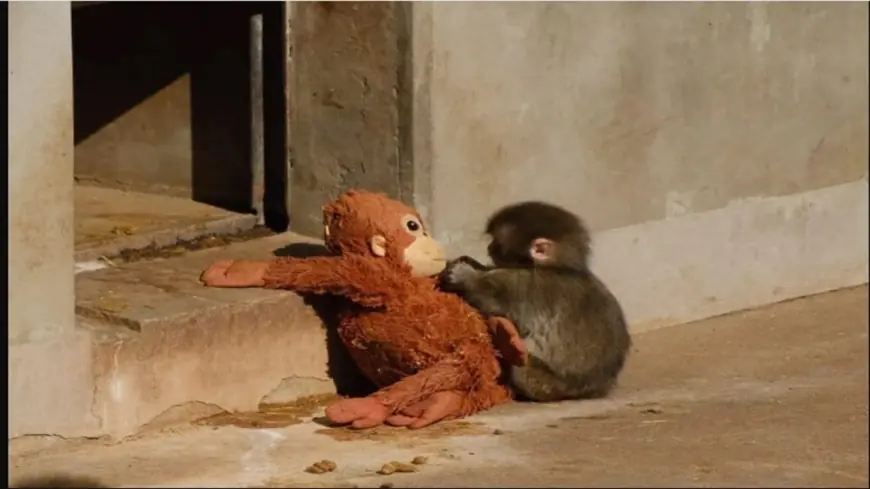
Punch — known in Japanese as Panchi-kun — was born on July 26, 2025, at the Ichikawa City Zoo. He was named after Monkey Punch, the mangaka who authored Lupin the Third. He was abandoned by his mother, who lacked interest in raising him. The day after his birth, zookeepers began hand-raising him with bottle feeding. To comfort him in the absence of a mother, they gave him an IKEA DJUNGELSKOG stuffed orangutan plush — which fans quickly nicknamed "Oran-Mama."
Punch was integrated with other macaques at the zoo's Monkey Mountain, with around 60 monkeys, on January 19, 2026. Due to the lack of a maternal figure, Punch initially struggled with socializing, showing "signs of anxiety and isolation."
How Punch Went Viral
On February 5, 2026, the zoo made an online post about Punch's backstory, which became an overnight sensation. More images of Punch with the orangutan plushie went viral in Japan and abroad, and the hashtag #がんばれパンチ, or #HangInTherePunch, began circulating online. Clips of Punch have racked up tens of millions of views, some surpassing the 30-million mark on TikTok and Instagram. Even Stephen Colbert referenced Punch in his late-night opening monologue.
Videos showing Punch being shoved by older monkeys — then retreating immediately to his beloved plush for comfort — triggered a global wave of protective fan emotion. Some of the most shared reactions included users vowing to "fly to Japan and beat up the mean monkeys" and calls to create a "Panchi-kun protection squad."
Is Punch Being Bullied? What Experts Say
Despite the internet's alarm, zoo officials and primatologists have offered reassurance. Primatologists told the BBC that repeated interactions, including rejection or scolding, are essential steps toward acceptance within macaque groups and play a critical role in long-term social health. The zoo clarified that the adult monkey seen dragging Punch was likely protecting her own baby — not targeting Punch out of cruelty.
Punch's Progress: The Latest Update
The good news is that Punch the monkey is doing better. The zoo posted that "Punch is gradually deepening his interactions with the troop of monkeys! He's getting groomed, playfully poking at others, getting scolded, and having all sorts of experiences every day, steadily learning how to live as a monkey within the troop!"
By mid-February, the zoo confirmed the number of monkeys Punch interacts with daily was steadily growing.
IKEA Sells Out — And Steps Up
Punch's story sparked a genuine retail phenomenon. The $20 stuffed IKEA DJUNGELSKOG orangutan toy sold out across multiple IKEA regions worldwide within days of Punch's story going global. Resellers on eBay quickly listed the plush for prices as high as $350.
On February 17, IKEA Japan CEO Petra Färe visited the Ichikawa City Zoo and donated 33 stuffed toys — including additional orangutans — along with storage items, to support Punch and for use in children's areas of the zoo. IKEA Japan posted publicly that "We're ALL Punch's family now."
Record Crowds Flock to Ichikawa City Zoo
The zoo posted its "heartfelt gratitude" to the "unprecedented and unexpected crowds" who came to see Punch. Huge lines — described by officials as unlike anything they had ever seen — formed outside the small zoo, prompting apologies for entry delays. Visitors reported traveling specifically from across Japan and abroad after discovering Punch on Instagram and TikTok.
Why Punch Has Captured the World
Analysts describe Punch the monkey as a "relatable outsider" — a symbol of loneliness, resilience, and the universal need for belonging. His story — orphaned, clutching a surrogate, slowly finding his way — has been projected onto by millions as a metaphor for loneliness, acceptance, and what it feels like to be on the outside looking in. In a news cycle dominated by heavy stories, Punch offered something the internet desperately needed: a tiny, brave creature clutching his orange plush and refusing to give up.
The Punch monkey Japan story is still being written — and millions are watching every step.