















Mexico Cartel: mexico cartel violence erupts in Puerto Vallarta after killing of Jalisco kingpin

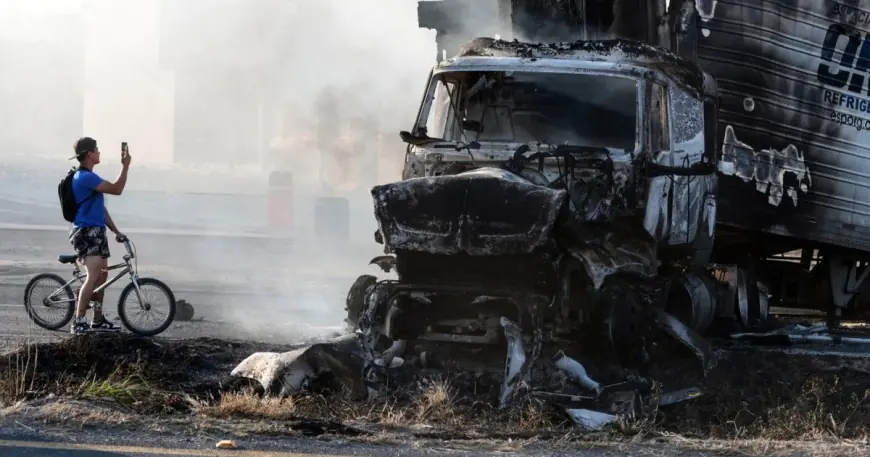
Smoke filled the sky and the swanky beach town of Puerto Vallarta erupted into chaos Sunday after the government killed a drug kingpin, part of a surge of violence tied to the mexico cartel. Shops and cars were set ablaze, tourists and residents cowered in fear, and streets were deserted the next day as remain-in-place orders stayed in effect.
Mexico Cartel violence in Puerto Vallarta
The Mexican military killed Nemesio Rubén Oseguera Cervantes, known by his nickname “El Mencho, ” Sunday in a shoot-out 180 miles east of Puerto Vallarta, in the same state of Jalisco. He was the head of the New Generation drug cartel. Mexico had a $15 million reward for his capture.
How the operation unfolded
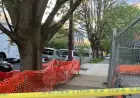
Following the killing, shops and cars were set ablaze, allegedly by cartel members. Burned-out shells of vehicles remained on the streets and damaged stores were heavily scorched from flames, videos showed. A video showed several cars in the parking lot of a Costco set ablaze.
Two waves and barricades
Witnesses described the violence unfolding in two waves starting early Sunday morning. The first wave saw a few cars set on fire on the main road and on bridges in and out of the Zona Romántica area of Puerto Vallarta, with much of that taking place in an area behind the foothills. When those fires were going out, many people thought the violence was over.
The second wave was worse and targeted activity inside the Zona Romántica. Buses and taxis were positioned at intersections; those vehicles were put there during the night and then coordinated to be set on fire when the second wave began, intended to keep fires burning all day and to terrify people.
Eyewitnesses describe the terror
Jim Beck, an American tourist who sheltered in his Puerto Vallarta hotel, said, "We saw the taxicabs all blown up and blocking the streets and people running down and towards us. " He added, "After this morning was the first time we actually felt fear. "
Marcus Brady, a Chicago resident currently in Puerto Vallarta who shared videos of the violence, said he thought the cartel’s intent was to send a message to the Mexican government and to American and Canadian tourists: "If we want to, we will take complete control of everything and everyone here, no one can stop us. " Brady said he had walked down to the boardwalk through the zone between the two waves and mistook buses and taxis at intersections for barricades to prevent violence; those vehicles, he said, had been placed there by the cartel and then set on fire during the second wave.
Yoni Pizer said he, his husband and friends had to run for their lives to escape what he described as members of the Jalisco New Generation Cartel in Puerto Vallarta. "The gunmen were following us and they were shooting, " Pizer said. "And they were attacking cars and pulling out drivers. At that point, we just ran as fast as we could. " His SUV was torched, but a passerby helped them get away.
Airports, road closures and travel
Video on social media from Sunday showed sirens blaring and passengers and workers running through the airport in Puerto Vallarta. It was unclear why the sirens went off or why people were running. Images showed a long line of people hiding behind ticket counters. Road closures affected some travelers’ ability to get to airports, U. S. and Mexican embassy and consulate.
Local reactions and quiet before the storm
Steven Polito, a drag performer who divides his time between New York City and Puerto Vallarta, said in an essay that he was struck by how "unusually quiet it was" when he went to the gym at 8: 30 a. m. Sunday. "When I left around 10: 00 a. m., it was a very different scene, " Polito said. The remainder of his comment in the provided context is unclear in the provided context.
By Monday, a day after the violence began, streets were deserted as locals and tourists heeded remain-in-place orders. Schools in several states canceled classes. Burned vehicles and heavily scorched storefronts remained visible across affected areas, and the sequence of events left residents and visitors shaken.
All details in this article are drawn from the contemporaneous accounts and footage made available in the provided context.