
























Jack Hughes Hockey: How a Bloody Overtime Strike Delivered U.S. Men’s Epic Olympic Gold and Changed the Moment

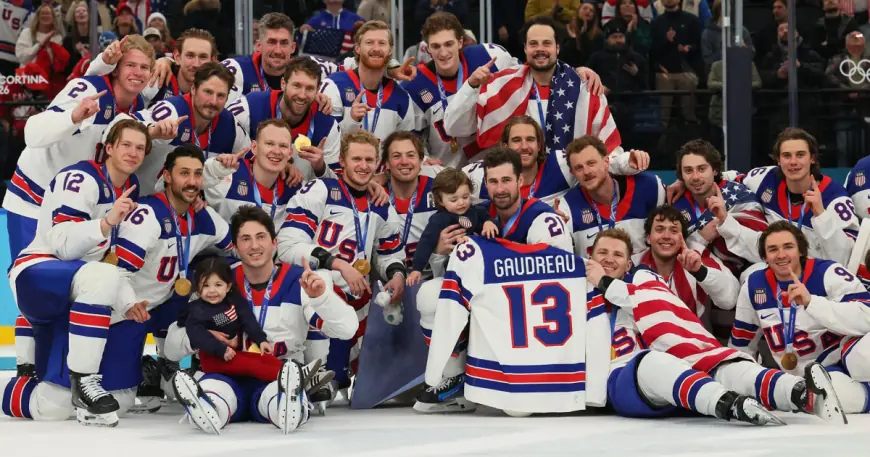
Here’s why it matters: jack hughes hockey didn’t just produce a dramatic overtime winner — it became the defining image that capped the U. S. men’s tournament, shaping teammates, family and the wider fanbase. The winning play came after Hughes suffered a mouth injury that knocked out teeth, yet he finished the game and scored in extra time to give the Americans a 2-1 victory over Canada at the Milan Cortina Games.
Jack Hughes Hockey and who felt the impact first
The immediate impact landed on the U. S. roster and traveling fans: a gritty finish that combined personal sacrifice with national significance. The Americans claimed the gold medal in the men’s final, ending the country’s drought in Olympic men’s hockey that stretched back to the 1980 Miracle on Ice at Lake Placid, when the U. S. upset the heavily favored Soviet Union. What’s easy to miss is how the physical cost to one player — losing teeth — crystallized the win for teammates and observers.
Event details behind the overtime winner
The decisive moment came in overtime of the men’s hockey final in Milan, Italy, on Sunday, Feb. 22, 2026, when Jack Hughes scored past Canadian goalie Jordan Binnington after a little more than 1 1/2 minutes of extra time. The goal completed a 2-1 victory over Canada at the Milan Cortina Games.
Earlier in the third period Hughes took a stick to the mouth from Sam Bennett and lost some teeth, leaving him with a bloody mouth. He later described looking on the ice and seeing his teeth. Hughes had one tooth knocked out in an NHL game a few years earlier as well. The 24-year-old forward for the New Jersey Devils still finished the game and delivered the gold-clinching goal.
Family, teammates and the emotional echo
Hughes’ older brother, Quinn, 26, who is a defenseman for the Americans, praised Jack’s passion and competitiveness, saying no one loves the game more and calling him a gamer who made it happen. Photographs captured postgame reactions: Jack Hughes celebrating his overtime goal and later Jack Hughes and Clayton Keller reacting while receiving gold medals. Photographers Carolyn Kaster and Luca Bruno captured those images in Milan.
The article text provided ends mid-sentence with the fragment: "Other teammates figured that Jack Hughes will be just fine wit" — unclear in the provided context what the intended completion was.
Photo moments, jersey numbers and the medal scene
Images from the final show Hughes wearing No. 86 and teammate Clayton Keller No. 91 as they reacted to receiving gold medals after the U. S. defeated Canada in the men’s final. The medal ceremony and celebration took place after the overtime finish in Milan, Italy, on Feb. 22, 2026.
- Key takeaways: the physical sacrifice of a star player helped define the victory.
- The win officially closed a multi-decade gap since the 1980 U. S. gold at Lake Placid.
- Jack Hughes, a 24-year-old New Jersey Devils forward, overcame a mouth injury and prior NHL dental damage to score in overtime.
- Jordan Binnington was the Canadian goalie on the play; Sam Bennett delivered the stick that caused Hughes’ dental injury.
- The narrative threaded family, with Quinn Hughes playing defense for the U. S. and praising his brother’s passion.
Short timeline to place the moment
- 1980 — U. S. men’s hockey won gold at Lake Placid by upsetting the heavily favored Soviet Union (the "Miracle on Ice").
- Feb. 22, 2026 — At the Milan Cortina Games in Milan, Italy, the U. S. beat Canada 2-1 in overtime; Jack Hughes scored the winner after about 1 1/2 minutes of extra time.
- Same game — Hughes lost teeth after a high stick from Sam Bennett in the third period, then played on and finished with the overtime goal.
The real question now is how this single moment will shape roster narratives and locker-room identity going forward, but those developments are unclear in the provided context.
What the record plainly shows is a 24-year-old forward from the New Jersey Devils delivering an overtime gold-medal goal in Milan while literally carrying the physical marks of the game.
It’s easy to overlook, but this was as much a personal test for Hughes as it was a national milestone.