




















Tapalpa operation that killed 'El Mencho' sparks arson, blockades across 12 states

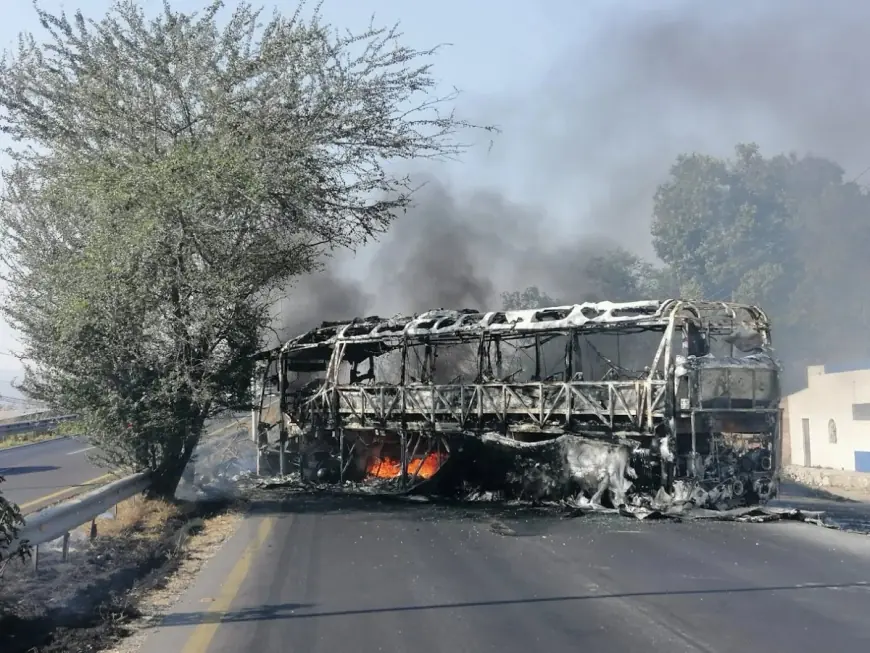
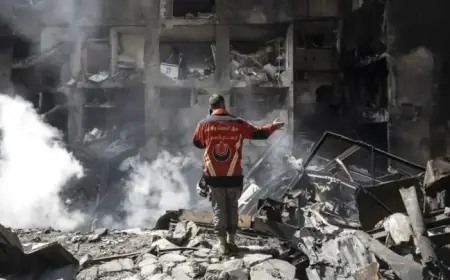
Federal forces carried out an operation in tapalpa, Jalisco, that resulted in the death of Nemesio Oseguera Cervantes, alias "El Mencho, " and set off a wave of burnings, road blockades and attacks on businesses that extended to a dozen states. The scope of the incidents has halted public transport in Guadalajara, led to bank and retail closures, and prompted state and federal authorities to deploy coordinated security mesas and alert levels.
Tapalpa operation and the death of Nemesio Oseguera Cervantes
Security forces executed a public security operation in Tapalpa this morning that culminated in the killing of Nemesio Oseguera Cervantes, also named Rubén Nemesio Oseguera in later statements. The action, led by the Ejército Mexicano, triggered immediate confrontations in the municipality and nearby areas and was cited by authorities as the origin of subsequent violent reactions across Jalisco and beyond.
Jalisco: Pablo Lemus declares código rojo and suspends transport
In Jalisco, Governor Pablo Lemus said federal forces were conducting an operation in Tapalpa linked to the confrontations and that individuals in different parts of the state burned and blocked vehicles to impede authorities. Lemus ordered the installation of a permanent mesa de seguridad with authorities from the three levels of government and activated código rojo. Public transportation in the Guadalajara metropolitan area was suspended from 9: 00 a. m., and officials asked residents to avoid leaving their homes as actions continued near 11: 00 a. m.
Attacks on businesses and banks; Femsa reports more than 200 incidents
Businesses became targets across several states. In Jalisco, at least 20 branches of Banco del Bienestar were set ablaze, and pharmacies, convenience stores and gas stations were among those torched. Femsa, operator of Oxxo stores, stated it registered more than 200 incidents in its stores and service stations after the attacks; no customers were injured and affected employees were being attended and that it had closed locations preventively on Sunday. Several major banks chose to suspend operations in affected areas—BBVA, Santander, Scotiabank and HSBC were among institutions that temporarily closed branches—while retail chains such as Bodega Aurrera, Farmacias Similares and Coppel reported closures in Michoacán.
Spread to other states: 12 states with blockades, burnings and highway disruptions
Authorities documented blockades and vehicle burnings in 12 states: Tamaulipas, Jalisco, Nayarit, Michoacán, Guanajuato, Baja California, Querétaro, Puebla, Guerrero, Aguascalientes, Colima and Quintana Roo. In Reynosa, Tamaulipas, main highways were blocked starting at 8: 00 a. m. In Colima, Nayarit and Aguascalientes several cars were burned and roads obstructed. In Baja California, masked groups set minimarkets and vehicles on fire in Tijuana, Tecate and Mexicali. In Chiapas, an Oxxo in the Colinas del Oriente neighborhood of Tuxtla Gutiérrez was burned, and in Morelos and the State of Mexico outlets of Oxxo and branches of Banco del Bienestar suffered arson attacks.
Michoacán, Guanajuato, Zacatecas and Quintana Roo: state responses and investigations
In Michoacán at least 13 municipalities reported road blockades with vehicles set ablaze by presumed gunmen; the Secretaría de Seguridad Pública in Michoacán said operational actions remain underway to restore road viability and the C5 de Michoacán asked the public to take precautions in: unclear in the provided context. Governor Alfredo Ramírez Bedolla ordered an immediate mesa de seguridad with state and federal authorities, instructed the blindaje of Morelia and the borders with Jalisco, Guanajuato and Colima, and directed a coordinated deployment to reopen roads and protect the population. He asked citizens to maintain calm and said there is permanent communication with the government of Mexico and the Secretaría de la Defensa Nacional to shield various z: unclear in the provided context.
In Guanajuato, blockades occurred in Moroleón, Irapuato, Silao, León and Purísima del Rincón; authorities noted no injured persons but collateral damage to establishments and dispatched an operation coordinated by the Ejército Mexicano, the Guardia Nacional and municipal police, urging citizens to avoid going out. In Zacatecas, Secretary General Rodrigo Reyes Müguerza reported an attempt to block a road on the Jalisco border and the Mesa Estatal de Construcción de Paz announced measures to shield the southern border with Jalisco.
Quintana Roo authorities reported an attack on two vehicles in Playa del Carmen; the state governor said she was in permanent session to monitor operations and that Cancún International Airport remained operating normally. In Guerrero, Governor Evelyn Salgado Pineda said violent incidents in Acapulco were controlled and that security forces maintain a full deployment; the Fiscalía General del Estado de Guerrero opened an investigation after gunshots struck the façade of its facilities in colonia Emiliano Zapata in Acapulco de Juárez.
Economic and transport fallout
The immediate economic impact was visible: the Mexican peso opened weaker on Monday, depreciating 0. 45% to 17. 21 pesos per dollar from Friday's close of 17. 13. Airlines and major bus lines suspended operations in Jalisco on Sunday as a preventive measure against potential attacks on airports and highways. Business groups condemned the arson of establishments, transport units and roadways and urged authorities to guarantee public safety.
What makes this notable is the rapid geographic spread of retaliatory tactics—blockades, burnings, disabling spikes called "ponchallantas" and forced vehicle thefts converted into torches—across urban intersections, highways and commercial corridors, complicating immediate restoration of services and security coordination across states.