




















Tapalpa operation that killed 'El Mencho' sparks fires, blockades and sweeping security responses across Mexico

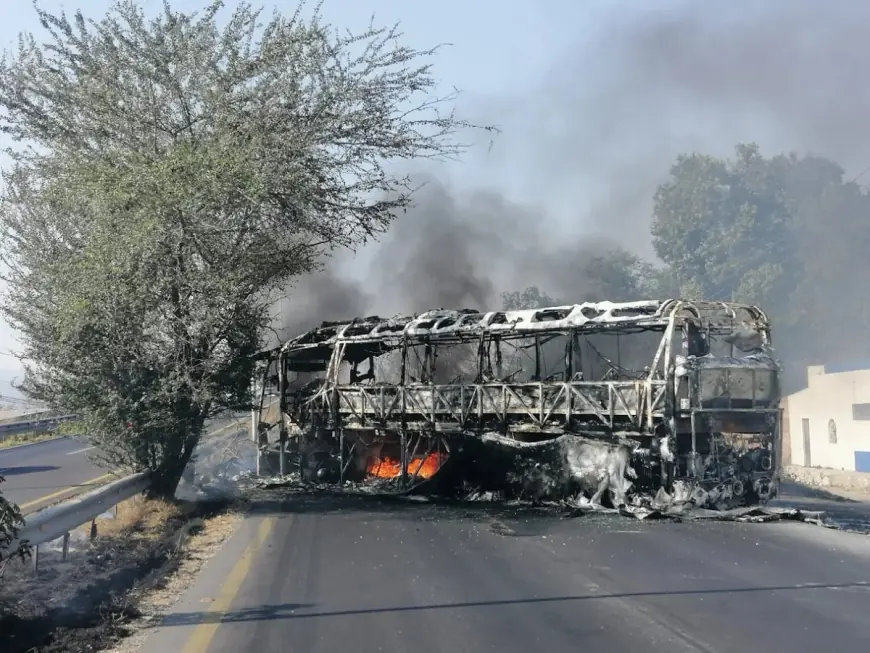
Security forces' operation in tapalpa that resulted in the death of Nemesio Oseguera Cervantes, known as "El Mencho, " on Sunday, Feb. 22 has provoked a broad wave of violence: highways and city streets were blocked, vehicles and businesses burned, and emergency measures were activated across multiple states. The scale and speed of the reactions have forced governors and federal forces into coordinated responses and prompted temporary suspensions of transport and banking activity in affected regions.
Tapalpa: Ejército Mexicano operation and immediate fallout
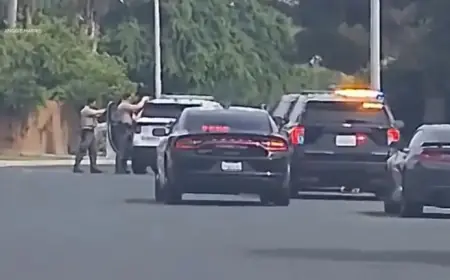
Federal forces, led on the ground by the Ejército Mexicano, carried out a security device in Tapalpa that produced confrontations, burning and blocking of vehicles and attacks on businesses in the municipality and in surrounding areas of Jalisco. The governor of Jalisco, Pablo Lemus, said the operation in Tapalpa generated armed confrontations and that individuals burned and traversed vehicles to impede authorities. Lemus decreed a código rojo for the entire state, ordered a permanent mesa de seguridad with federal, state and municipal authorities, and noted the criminal actions were still ongoing near 11: 00 a. m.
Guadalajara: gasolineras, pharmacies and transit halted
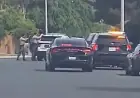
In Guadalajara and its metropolitan area, public transport was suspended from 9: 00 a. m., with authorities urging residents to stay home. Fires consumed gas stations—including one at the intersection of Calzada Independencia and Periférico—and vehicles and businesses were set alight at numerous locations across the city: the road to Zacoalco de Torres; Avenida Lázaro Cárdenas near the central bus terminal; Periférico and Tabachines; Alcalde and Periférico; Nextipac and the road to Nogales; Tesistán; Colotlán; fraccionamiento Cañadas; La Venta del Astillero; Felipe Ruvalcaba and Volcán; Guadalupe and El Colli; and El Bajío near the Chivas stadium. Pharmacies and convenience stores were among the businesses burned by armed individuals, and attackers placed "ponchallantas"—metal spike crosses—on streets and roads; in many instances motorists were stripped of their vehicles, which were then torched.
Statewide spread: 12 states listed and other accounts citing 21 states
One account enumerated blockades and vehicle burnings in 12 states—Tamaulipas, Jalisco, Nayarit, Michoacán, Guanajuato, Baja California, Querétaro, Puebla, Guerrero, Aguascalientes, Colima and Quintana Roo—while another account described incidents in 21 states overall. The overlap of these accounts shows violence spread beyond Jalisco into multiple regions, prompting state and federal security measures.
Michoacán and Guanajuato: municipal blockades and coordinated operations
In Michoacán, at least 13 municipalities registered road blockades with vehicles set on fire by alleged hit men linked to the unrest. The Secretaría de Seguridad Pública in Michoacán said operational actions remain underway to restore road viability, and the state’s C5 issued a message asking the public to take precautions: unclear in the provided context. Governor Alfredo Ramírez Bedolla ordered an immediate mesa de seguridad, instructed the shielding of Morelia and the borders with Jalisco, Guanajuato and Colima, and said a coordinated deployment of security forces was in place to free obstructed roads and protect the population. In Guanajuato, blockades occurred in Moroleón, Irapuato, Silao, León and Purísima del Rincón; no injuries were reported in those blockades, though establishments suffered collateral damage. The state’s Secretaría de Seguridad y Paz sent an operation coordinated by the Ejército Mexicano, the Guardia Nacional and municipal police; state authorities urged citizens to remain calm and avoid leaving their homes.
Business attacks, transport suspensions and economic effects
The operation and ensuing attacks included arson at banks, gas stations, pharmacies and convenience stores. In Jalisco alone, 20 branches of Banco del Bienestar were reported burned. Retailer and bottler FEMSA activated security protocols after reporting more than 200 incidents at Oxxo stores and service stations; no customers were injured and affected employees were receiving care. Several banks suspended operations in Jalisco and neighboring states—Nayarit, Colima and Michoacán—with BBVA, Santander, Scotiabank and HSBC among those that closed Monday. Major airlines and bus lines also suspended activities on Sunday in Jalisco as a preventive step ahead of potential attacks on airports and roadways. The peso opened Monday 0. 45% weaker, at 17. 21 pesos per dollar after closing the previous Friday at 17. 13.
Regional alerts and investigations: Guerrero, Quintana Roo, Sinaloa and Zacatecas
In Quintana Roo, authorities reported an attack on two vehicles in Playa del Carmen; the state governor is in a permanent session to monitor operations and said the Aeropuerto Internacional de Cancún was operating normally. In Guerrero, violent incidents were reported in Acapulco but were described as controlled by the governor, Evelyn Salgado Pineda, who noted a full-security deployment. The Fiscalía General del Estado de Guerrero opened an investigation after gunfire struck the facade of its facilities in the colonia Emiliano Zapata in Acapulco de Juárez. Sinaloa authorities urged residents to avoid travel to southern states and issued a máxima alerta over road blockades with Nayarit. In Zacatecas the Secretary General of Government, Rodrigo Reyes Müguerza, said an attempt was made to block a highway at the border with Jalisco and the Mesa Estatal de Construcción de Paz will shield the state’s southern border.
What makes this notable is the speed with which a single federal operation in a municipality cascaded into synchronized disruptions across urban and rural networks, forcing simultaneous emergency measures from local security tables to national military coordination. Permanent communication between state governors and the Secretaría de la Defensa Nacional was cited as part of efforts to shield affected areas: unclear in the provided context which specific zones beyond the cited states remain under that shield.