
























Is Cancun Safe Right Now as U.S. Embassy Urges Shelter-in-Place Amid Flight Disruptions

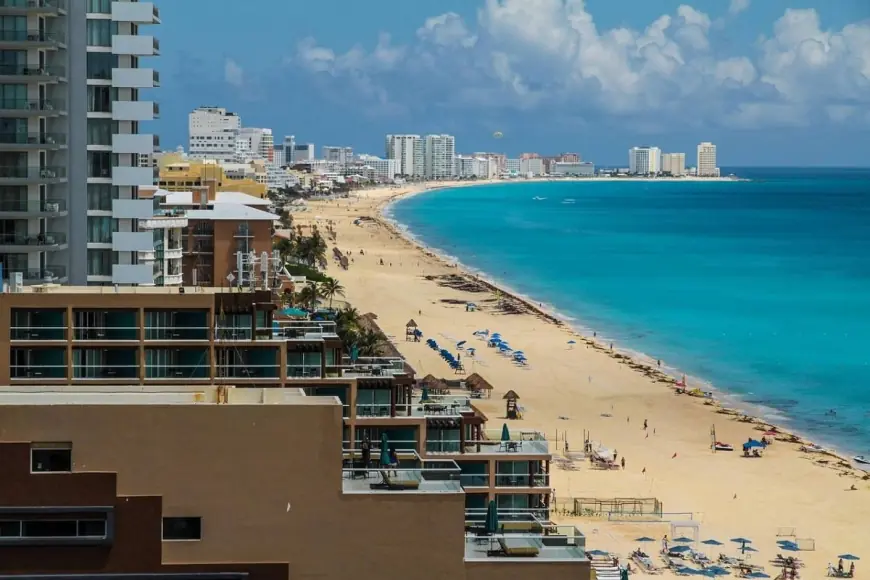
Is Cancun Safe Right Now is the immediate question for travelers after a surge of security alerts, road blockages and airport disruptions left hundreds stranded this week. U. S. Embassy warnings and sustained operational impacts at major Mexican airports have forced officials and airlines to scramble while authorities urge Americans to shelter in place in multiple states.
U. S. Embassy Shelter-in-Place and State Department Advisory
The U. S. Embassy and Consulates in Mexico issued an updated security alert on February 22, 2026, urging American citizens in Quintana Roo — including Cancun, Cozumel, Playa del Carmen and Tulum — to shelter in place until further notice because of ongoing security operations, road blockages and heightened criminal activity. The U. S. Department of State has Mexico at a Level 2 travel advisory: Exercise Increased Caution, citing threats of terrorism, crime and kidnapping. U. S. government staff in cities including Guadalajara, Puerto Vallarta, Ciudad Guzman, Cancun, Playa del Carmen, Cozumel, Reynosa, Tijuana and Michoacan were expected to shelter in place and work remotely on Monday, while all U. S. government staff at the Consulate General Monterrey were directed to remain in the Monterrey metropolitan area. Staff were also ordered not to travel to Mazatlan through Wednesday.
Cancún International Airport operations and passenger impact
Cancún International Airport (CUN) remained operational on February 23, 2026, and airport officials confirmed there were no closures, but reinforced security measures and operational disruption left dozens of flights delayed or canceled and hundreds of travelers stranded. Passengers experienced long queues and extended waits as airlines reorganized schedules; for those with tight connections, delays of several hours produced missed tours, lost hotel bookings and unexpected expenses. Cancún, which received more than 29 million visitors last year, serves as a major gateway and even modest disruptions can cascade through airline rotation schedules and crew assignments.
Flight totals across Cancún and Benito Juárez: 62 delays and 29 cancellations
Across Cancún and Mexico City’s Benito Juárez International Airport a combined total of 62 delays and 29 cancellations were recorded. Cancún saw 40 delayed flights and 23 cancellations, while Mexico City recorded 22 delays and six cancellations. Carriers across domestic and international routes reported operational impacts: one carrier logged three cancellations and 10 delays, another recorded one cancellation and two delays, and a third reported six delays; additional carriers also experienced delays. Ongoing factors cited by aviation officials include surging passenger volumes, operational pressures, crew availability and weather-related interruptions.
Death of El Mencho in Tapalpa and resulting road blockages
The security alert followed the killing of Nemesio Rubén Oseguera Cervantes, known as "El Mencho, " during a Sunday operation in Tapalpa, Jalisco. Mexican authorities said the army carried out the operation. The killing prompted reports of roadblocks, arson and flight disruptions from suspected cartel members across multiple states; roadblocks in turn affected airline operations by complicating crew movements and logistics and led to the suspension of most services at airports in Puerto Vallarta and Guadalajara. So far, no airports have been closed nationwide, but most domestic and international flights were canceled in both Guadalajara and Puerto Vallarta. Ride-share services such as Lyft and Uber were suspended in Puerto Vallarta. Late on Sunday, Mexican authorities said operations on toll roads would be temporarily curtailed in Puebla, Guerrero, Tamaulipas, Nayarit, San Luis Potosi, Tijuana, Queretaro, Veracruz and Mazatlan because of blockades. Travelers are being urged to avoid areas around law enforcement activity and to check @CAPUFE on X for the status of road closures.
Health risks in Quintana Roo: dengue, chikungunya and Zika
Officials also warned travelers to be mindful of mosquito-borne illnesses in the region. Dengue remains endemic in Mexico: in 2025 the country recorded approximately 141, 421 total cases and 85 deaths. Quintana Roo, Veracruz and Sonora accounted for notable shares of cases last year. As of early 2026, through epidemiological week 4, Mexico had 185 confirmed dengue cases and 1, 972 probable cases reported in the first two weeks — an 83% decrease compared with the same period in 2025 — though experts warn seasonal increases remain possible. Chikungunya transmission has been sporadic and low; 2025 saw just four confirmed chikungunya infections nationwide, primarily in southern states including Quintana Roo, Chiapas and Yucatan. The Pan American Health Organization noted Zika activity has declined sharply since 2015–2016, with four confirmed cases in 2025, down from 30 in 2024, and highlighted particular risks to pregnant women. U. S. public health agencies emphasize mosquito-bite prevention as a key precaution.
What makes this notable is the convergence of a high-volume travel period, a major anti-cartel operation and existing public-health concerns, producing simultaneous strain on security, transport and health systems. Travelers in the affected areas are advised to follow official guidance, shelter when directed, expect ongoing delays and confirm flight status and local road conditions before moving.