






















New York Blizzard: Historic Nor'easter Forces Citywide Travel Ban as Power Outages and Flight Cancellations Mount

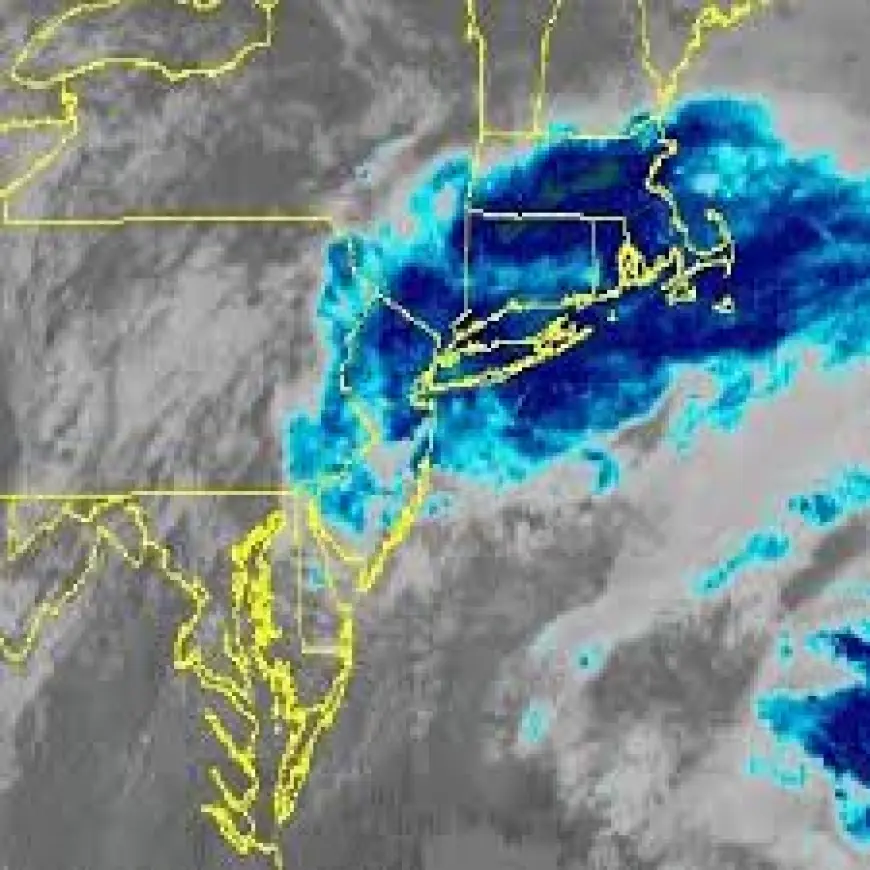
The New York Blizzard has prompted a full travel ban in New York City and wide-ranging emergency measures as a historic winter storm lashes the north-east US. The storm has already produced heavy snow, widespread power losses and thousands of cancelled flights, making the travel ban and state responses central to public safety and transportation planning.
New York Blizzard prompts unprecedented travel ban and closures
A full travel ban in New York City is in place from Sunday evening until noon local time on Monday as the city braces for extreme snowfall and low temperatures. City officials ordered all streets, highways and bridges closed to traffic except for emergencies, and schools were announced as closed. The city is expected to receive 18-24 inches of snow, with the most severe snowfall of up to 28 inches expected overnight into Monday, and temperatures forecast as low as -6C (20F).
Storm footprint: north-east US and Canada’s maritime provinces under threat
Forecasters say much of the US north-east and Canada's maritime provinces will be affected from Sunday evening into Monday. The storm is expected to be the most powerful nor'easter in nearly a decade across a large portion of the region, with impacts that include heavy snow, fierce winds and coastal flooding.
Rapid snowfall rates and dangerous travel conditions
The National Weather Service has warned snowfall rates of roughly 2-3 inches per hour in parts of the affected area, with accumulations of 1-2 feet (30-60cm) possible in places. These rates are expected to create travel conditions described by forecasters as nearly impossible and extremely treacherous. A National Weather Service meteorologist highlighted that it has been several years since a storm of this magnitude has affected such a large, densely populated region.
Power outages and flight disruptions escalate across multiple states
Power outages have multiplied across the region. Nearly 90, 000 properties were without power in New Jersey alone, with tens of thousands more affected in Delaware, Maryland and Virginia as of 03: 00 local time (08: 00 GMT). Air travel has been severely affected: around 5, 500 US flights were cancelled on Sunday and hundreds more delayed, with thousands more cancellations reported on Monday. New York's John F Kennedy and LaGuardia airports were among the worst affected.
Officials mobilize emergency measures and National Guard on alert
State and city leaders declared states of emergency across the region and activated emergency resources. The governor declared a state of emergency statewide and placed 100 members of the National Guard on ready alert. Officials warned of high coastal wind gusts along the coast and potential downed tree limbs and extended outages as a result.
Community impacts: events cancelled and residents urged to stay home
Widespread cancellations and disruptions have followed. All Broadway shows were cancelled on Sunday evening, and eight scheduled horse races at Aqueduct Racetrack were cancelled. Residents described immediate personal and economic impacts; one Brooklyn resident noted the difficulty of mobility when roads are suspended and emphasized that work obligations still call, underlining the tension between public safety measures and everyday responsibilities.
Context and what comes next
This is the first blizzard warning for New York City in nine years and represents the second major snowstorm during the current mayoral administration, following a recent multi-week cold snap that resulted in 19 deaths. Officials warned that conditions may deteriorate quickly and urged residents to follow travel bans and emergency instructions. Details may evolve as the storm progresses.