

























State Of The Union 2026: Trump to Address a Transformed Nation and a Sidelined Congress

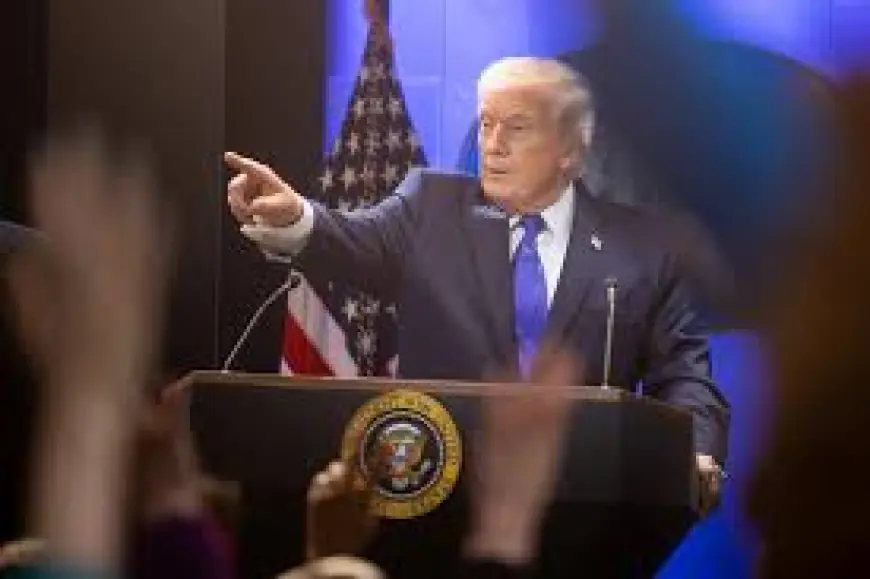
President Donald Trump will stand before Congress on Tuesday to deliver the annual state of the union 2026 as lawmakers gather in the House chamber to hear his agenda for the year ahead. The address arrives after one year back in office, a period many describe as having left the nation suddenly transformed and at a crossroads during its 250th anniversary.
House chamber setting: a White House that has reshaped the relationship with Congress
Lawmakers will listen in the House chamber as Trump outlines his plans, even as critics argue Congress has been effectively sidelined by his expansive reach. The Republican president has bypassed his slim GOP majority at times to amass enormous power for himself, muscling his agenda through when he needed to and often pressuring lawmakers with phone calls during cliffhanger votes rather than engaging in extended legislative give-and-take.
Immigration raids, detention centers and the human toll before State Of The Union 2026
Two Americans were killed by federal agents while protesting the administration's immigration raids and mass deportations. The administration has funneled more than $170 billion to Homeland Security for its immigration deportations, rounded up people and converted warehouses into detention holding centers for deportations. Democrats, in the minority, have often tried to push back, including by halting routine Homeland Security funds unless there are restraints on the immigration actions.
Northern Minnesota retiree Nancy Henderson Korpi voices alarm over congressional inaction
Nancy Henderson Korpi, a retiree in northern Minnesota who joined an Indivisible protest group and plans to watch the speech from home, said, "It's crazy. " She added that "what is disturbing more to me is that Congress has essentially just handed over their power, " and that "we could make some sound decisions and changes if Congress would do their job. " Her comments reflect a wider sense of alarm about the balance of power as the president prepares the annual state of the union 2026.
Policy shifts and the signature legislative wins that reshaped domestic priorities
Trump's signature legislative accomplishment so far is the GOP’s big tax cuts bill, which created new savings accounts for babies, eliminated taxes on tips and added other specialty deductions, while also imposing steep cuts to Medicaid and SNAP food aid. The bill also helped secure the funds sent to Homeland Security for the administration's deportation efforts. At the same time, the administration has moved to slash the federal workforce and upend the childhood vaccine schedule.
Foreign actions, investigations and the renaming of landmarks
Abroad, the administration has taken forceful steps described in the record as attacking Venezuela and capturing that country's president. Domestically, the administration launched investigations of would-be political foes and imposed the president's name on historic buildings, including the storied John F. Kennedy Center for the Performing Arts.
Courts, the Supreme Court rebuke and constitutional warnings
GOP-led congressional leaders have largely stood by as the president seized power through hundreds of executive actions, many of which are being challenged in court. In a landmark rebuke of the president's tariffs policy on Friday, Justice Neil Gorsuch wrote, "Retrieving a lost power is no easy business in our constitutional order. " Gorsuch warned that without the court stepping in on major questions, "Our system of separated powers and checks-and-balances threatens to give way to the continual and permanent accretion of power in the hands of one man. "
Moments Congress could have intervened and partisan stances before the speech
At almost every step of the way, there were moments when Congress could have intervened but did not. Democrats in the minority often tried to push back. Republicans, the article notes, believe the country elected the president and gave their party control of Congress to align with his agenda; the remainder of that account is unclear in the provided context.