

























State Of The Union 2026: How a Sidelined Congress and a Nation in Turmoil Will First Feel the Impact

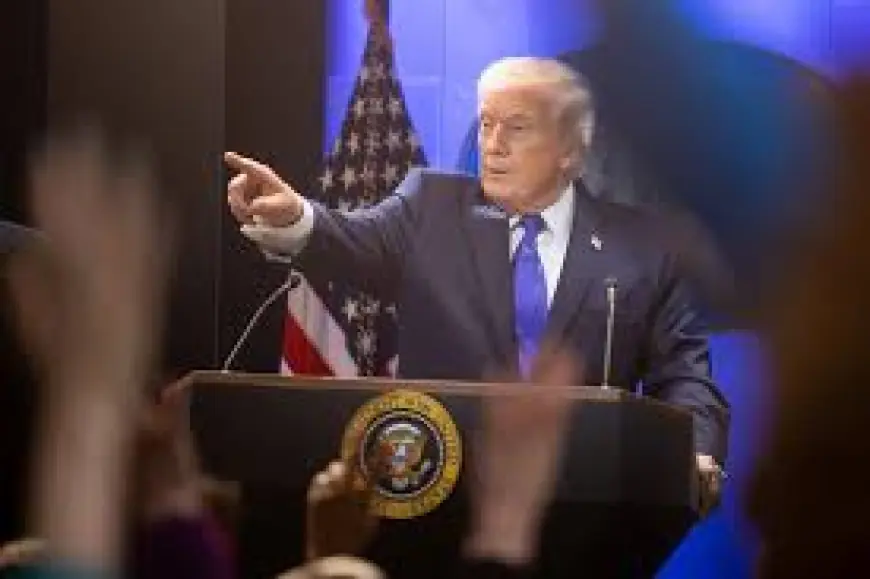
Who feels the impact first is not just lawmakers in the House chamber — it is communities, agencies and the minority party that have been pushed to the margins. The state of the union 2026 arrives with President Donald Trump standing before Congress on Tuesday after one year back in office, a period that supporters and critics alike describe as a head-spinning remaking of priorities at home and abroad.
Immediate effects: institutions and people in the crosshairs
The address lands while two Americans have been killed by federal agents during protests tied to immigration raids and mass deportations, and while many argue Congress has been effectively sidelined by the president’s expansive reach. Lawmakers are expected to sit in the House chamber to hear the president’s agenda for the year ahead — a moment described by some as existential for the legislature because the Republican president has frequently bypassed his slim GOP majority to amass broad authority.
State Of The Union 2026: what’s behind the tension
One year back in office, the president has executed an agenda that critics call disruptive: upending domestic priorities, shattering alliances abroad and challenging the nation’s checks and balances. He has both muscled legislation through when needed and relied heavily on executive actions. Hundreds of those actions have been issued, and many are being challenged in court. On Friday, Justice Neil Gorsuch wrote in a Supreme Court rebuke of the administration’s tariffs policy that without the court stepping in on major questions, the system of separated powers risks giving way to a continual accretion of power in the hands of one man.
Policy record and the tools used to get it
The president’s signature legislative achievement so far is the GOP’s big tax cuts bill, which includes new savings accounts for babies, no taxes on tips and other specialty deductions, and steep cuts to Medicaid and SNAP food aid. That same legislative shift also directed more than $170 billion to Homeland Security for immigration deportations. Beyond Congress, the administration has used investigations of would-be political foes, the imposition of the president’s name on historic buildings including the John F. Kennedy Center for the Performing Arts, and conversions of warehouses into detention holding centers as part of its broader strategy.
Public reaction on the ground and the partisan split
Grassroots responses are visible: Nancy Henderson Korpi, a retiree in northern Minnesota who joined an Indivisible protest group, plans to watch the speech from home and says it feels “crazy, ” adding that what disturbs her most is that Congress has essentially handed over its power. Democrats in the minority have attempted to push back at times, including by halting routine Homeland Security funds unless restraints are placed on immigration actions. At almost every step, however, there were moments when Congress could have intervened but did not. Republicans argue that the electorate chose this president and gave their party control of Congress to align with his agenda; the final clause of that position is unclear in the provided context.
Signals ahead, uncertainties and potential turning points
Here’s the part that matters: the speech is not happening in a neutral moment. From slashing the federal workforce to upending the childhood vaccine schedule, to the administration’s actions against Venezuela that included capturing that country's president, the range of moves has been wide. The real question now is whether the address will deepen the pattern of bypassing Congress or mark a shift back toward legislative compromise. What’s easy to miss is how routine budgetary choices have become leverage in disputes over immigration enforcement; that mechanism has shaped recent confrontations.
- Two Americans were killed during protests tied to immigration raids and mass deportations; communities directly affected will be watching enforcement language closely.
- More than $170 billion was directed to Homeland Security for immigration deportations; funding decisions remain a practical lever for policy.
- Hundreds of executive actions have been issued and many are being challenged in court; judicial rulings will shape how much of the agenda endures.
- Democratic minority efforts have included halting routine Homeland Security funds unless restraints are added; that tactic may resurface in budget fights.
- Justice Neil Gorsuch’s Friday rebuke frames the judiciary as a potential check if it chooses to step in on major questions.
It’s easy to overlook, but the bigger signal here is how much institutional norms have been tested in a single year back in office — a dynamic that will determine how the State Of The Union 2026 lands politically and practically.
One short timeline to keep in mind: the president has spent the past year reshaping policy and institutions; the nation is celebrating its 250th anniversary at the same time; and on Tuesday he will deliver this annual address to a Congress many see as sidelined. Details may continue to evolve as reactions and legal challenges play out.