























Angel Families Spotlighted After Laken Riley Case Renews National Debate

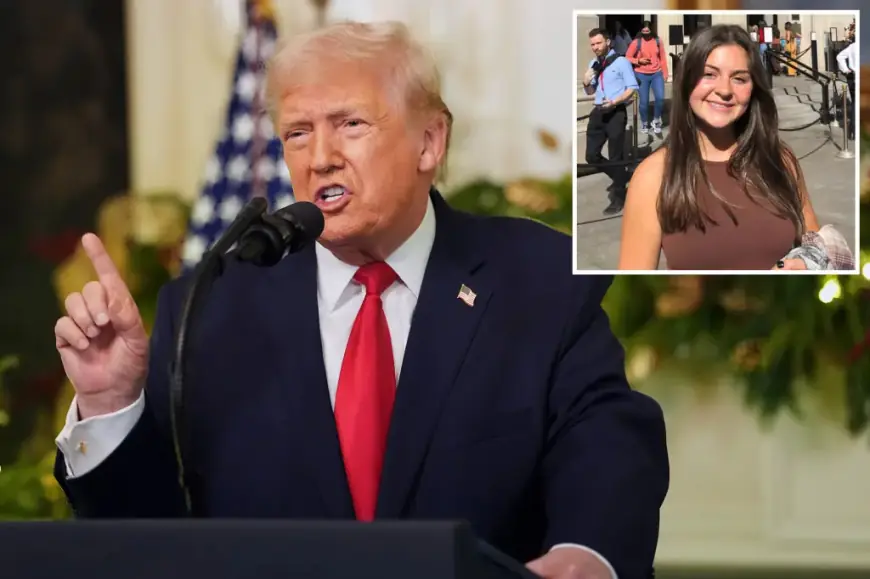
Public attention on angel families has intensified following renewed discussion surrounding the death of Laken Riley. The case has become a focal point in broader conversations about crime policy, immigration enforcement, and victim advocacy, prompting many Americans to ask: what are angel families and what does Angel Family Day represent?
What Are Angel Families?
The term angel families refers to families who have lost loved ones to crimes committed by individuals who were in the country unlawfully at the time of the offense. The phrase is often used in political and advocacy contexts, particularly in debates over border security and immigration enforcement.
For many angel families, the designation is both symbolic and deeply personal. It reflects:
-
The memory of a lost family member
-
A call for policy changes
-
Public awareness efforts
-
Participation in memorial events and advocacy gatherings
Angel families frequently share their stories at public forums, legislative hearings, and national events.
Laken Riley Case Sparks Renewed Focus
The name Laken Riley has become central to the latest surge in discussion around angel families. Riley, a Georgia nursing student, was killed while jogging, a tragedy that sparked widespread outrage and national media coverage.
Her death reignited debate over public safety policies and immigration enforcement procedures. Supporters of angel families have cited her case as emblematic of broader systemic concerns, while others caution against politicizing individual tragedies.
The renewed focus has driven searches including “what happened to Laken Riley” and “angel families meaning,” as Americans seek to understand both the case and the larger advocacy movement.
Angel Family Day and National Recognition
Angel Family Day is observed by advocacy groups to honor victims and recognize the families who have lost loved ones under similar circumstances. The day often includes:
-
Memorial ceremonies
-
Public statements from family members
-
Meetings with lawmakers
-
Candlelight vigils and prayer services
Participants say the goal of Angel Family Day is remembrance and policy awareness, while critics argue that broader crime discussions should remain separate from immigration politics. Regardless of viewpoint, the observance has become more visible in recent years.
The Broader Debate
The conversation surrounding angel families often intersects with national political discourse. Lawmakers have at times invited angel family members to attend high-profile addresses and legislative sessions.
Key issues frequently discussed include:
-
Border enforcement policies
-
Local law enforcement cooperation with federal agencies
-
Criminal background screening processes
-
Victim support services
The topic remains deeply polarizing. Supporters emphasize the importance of preventing future tragedies, while others stress the need for nuanced discussion that avoids broad generalizations.
Personal Grief in the Public Eye
For families like those described as angel families, the experience involves navigating both profound grief and intense public attention. The sudden national spotlight can amplify emotions and expose families to political crosscurrents.
Community vigils and memorial services often focus less on policy and more on honoring the life of the individual lost. In the case of Laken Riley, friends and classmates have remembered her as a dedicated student and compassionate individual whose life ended far too soon.
Continuing Conversation
As the nation reflects on cases that bring attention to angel families, the discussion shows no signs of fading. Searches for what are angel families and references to Angel Family Day continue trending alongside ongoing public safety debates.
At its core, the topic centers on loss — families grieving loved ones while advocating for change. Whether viewed through a policy lens or a personal one, the stories behind angel families remain powerful and emotionally charged, shaping national conversations long after headlines fade.