
























Snow Storm Weather Forecast Nyc: Mayor Mamdani Orders Travel Ban as Flights and Power Cuts Mount

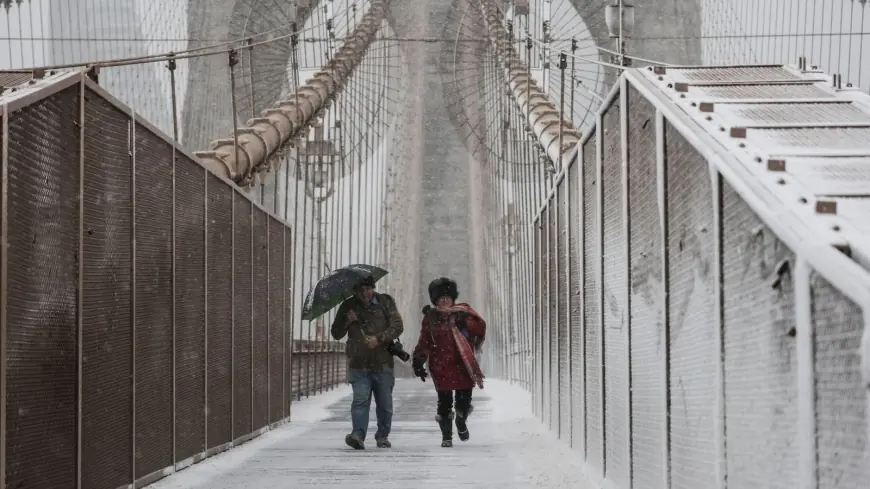
The Snow Storm Weather Forecast Nyc has prompted New York City’s mayor to declare a state of emergency and impose a citywide ban on non-essential travel, as a blizzard-strength system dumps heavy snow, forces thousands of flight cancellations and leaves hundreds of thousands without power across the north-east.
Zohran Mamdani orders travel ban and state of emergency
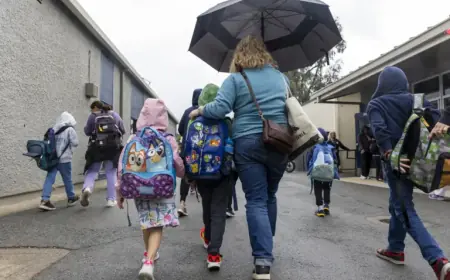
Mayor Zohran Mamdani declared a state of emergency on Sunday and ordered a ban on all non-essential travel across streets, highways and bridges between 9pm on Sunday and noon on Monday; the city also set a non-essential travel ban in place until 12: 00 local time (17: 00 GMT) on Monday. The ban excludes essential workers and those travelling for emergencies. Mamdani said public schools would have a full "snow day" on Monday — no remote learning — and urged residents to stay indoors, saying, "Staying home means you are staying safe. " Outreach teams were mobilised to bring people experiencing homelessness into shelters and warming centres.
Snow Storm Weather Forecast Nyc: warnings, blizzard status and forecast numbers
The National Weather Service issued blizzard warnings for New York City and the Long Island peninsula for the first time in almost a decade, and extended winter-storm warnings from North Carolina to northern Maine, with warnings also in parts of eastern Canada. Forecasts call for 1 to 2 ft (up to 60 cm) of snow in many areas, with isolated totals reported as nearly 15 inches overnight in parts of New York. Forecasters warned of wind gusts up to 70 mph, and meteorologist Frank Pereira said, "We're expecting conditions to rapidly deteriorate, " adding the storm could meet the technical definition of a bomb cyclone, which is a pressure drop of at least 24 millibars in 24 hours.
Flights and airport disruption across major hubs
Air travel was severely disrupted: more than 5, 000 flights into and out of the US were cancelled on Monday, while flight-tracking data logged more than 6, 000 cancellations through Monday across US airports. Major hubs affected include JFK, LaGuardia, Newark, Philadelphia and Boston Logan. The cancellations have left millions of travellers stranded and contributed to broader transport paralysis across the region.
Power outages and utility responses in New Jersey, Massachusetts and Delaware
Hundreds of thousands of customers lost electricity as heavy snow and wind brought down trees and lines. A live outage tracker showed 122, 000 customers without power in New Jersey, 99, 000 in Massachusetts and 71, 000 in Delaware as of 07: 00 EST (12: 00 GMT). Another tracker listed nearly 240, 000 people without power across the north-east as the storm intensified. Atlantic City Electric said it was prepared to respond to issues, while Delaware Electric Co‑op described the situation as "facing an absolute mess" after countless trees, power lines and utility poles were struck down by snow.
Coastal flood risk, whiteouts and city operations
The weather service warned that a 2 to 4 ft storm surge during high tides could cause moderate coastal flooding and beach erosion from Delaware Bay to Cape Cod, a stretch of almost 400 miles. Forecasters cautioned that whiteout conditions could make travel treacherous and potentially life-threatening, and that heavy snow and strong winds could topple tree limbs and down power lines, producing sporadic outages. City agencies moved additional snow‑clearing equipment into New York from outside the city, expanded use of geocoding to track bus stops, crosswalks and pedestrian ramps, and recruited people to shovel on foot, with some workers scheduled to begin on Sunday night to get an early start on the first wave of snowfall.
Schools across the region were affected: New York City declared a full snow day, while classes in Boston and Philadelphia were either cancelled or shifted online. In Brooklyn, resident Brandon Smith said workplaces remained open despite road suspensions, leaving many facing difficult commutes. Video circulating from overnight showed the Empire State Building engulfed in snow as the storm intensified.
What makes this notable is the combination of rapid intensification, broad geographic reach—affecting more than 35 million people along the east coast—and simultaneous threats: heavy snowfall, damaging winds, coastal surge and infrastructure strain, all of which have triggered emergency measures, mass flight cancellations and extensive utility impacts across the north-east.