





Willie Colon’s Death Ripples Into Pop Stages: Bad Bunny Halts São Paulo Show to Salute the Trombonist’s Legacy

Updated 22 February 2026 — 4: 10 PM (ET)
What matters right away is who feels the loss: fans in stadiums and younger musicians carrying salsa’s rhythms. The musician willie colon died in the morning of 21 February 2026 at age 75 from respiratory complications in New York, and the news reached Bad Bunny mid-tour — prompting a pause at his second concert in São Paulo so the Puerto Rican star could honor the trombonist and his influence on Latin music.
Immediate impact: a stadium tribute that turned private grief into a public moment
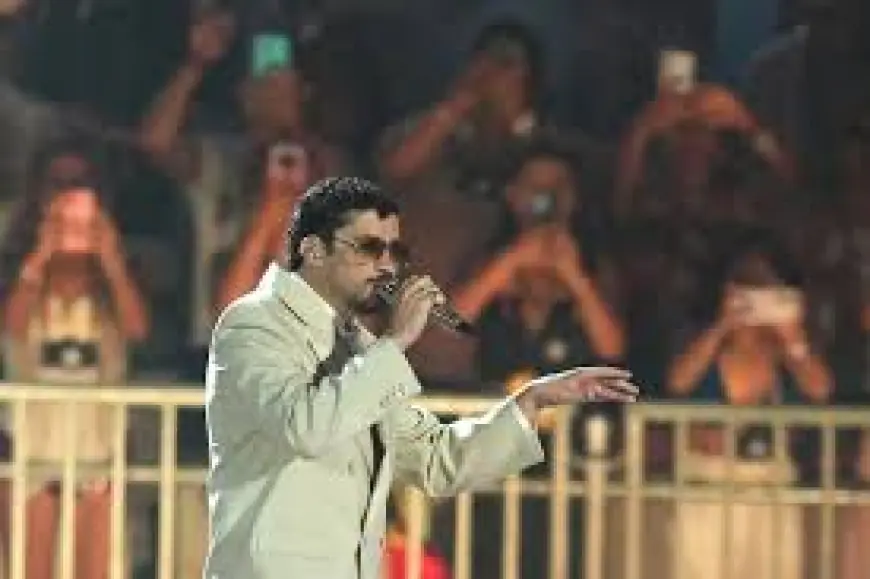
Bad Bunny stopped his second concert at Allianz Parque in São Paulo on Saturday to recognize the contribution of the deceased artist. Before performing with his backing group Los Sobrinos, he addressed the crowd and framed the loss as one that hits those who grew up on Caribbean salsa. The gesture folded a salsa legend’s passing into a contemporary pop moment, amplifying the obituary beyond traditional jazz and salsa circles and into global arenas.
Willie Colon: death, legacy and the Brazil tribute
The musician passed away the morning of 21 February 2026 in New York from respiratory complications at 75 years old. That morning’s death was reflected in the São Paulo pause the same day; Bad Bunny’s dedication highlighted how Colon’s work remains a point of reference for younger artists. The tribute also recalled how the two artists’ paths intersected: Benito Martínez Ocasio referenced the trombonist on the album DeBÍ TiRAR MáS FOToS, and the track "Nueva Yol" contains a direct mention of Willie Colón. Bad Bunny included the figure in the "Nueva Yol" video, and Los Sobrinos accompanied him onstage while he spoke.
Tension and respect: a complicated relationship surfaced
The relationship between the two was not without friction. In recent years the late musician used the social network X (formerly Twitter) to criticize the Puerto Rican star, questioning streaming figures tied to Bad Bunny’s status as the most-streamed artist in 2025. Still, the deceased artist also publicly acknowledged Bad Bunny’s role in bringing salsa energy to new audiences, praising the push toward a more Puerto Rican and pan-Latin perspective within contemporary music.
Micro timeline
- Morning of 21 February 2026 — Willie Colón dies from respiratory complications in New York at 75.
- Saturday, 21 February 2026 — Bad Bunny pauses his second concert at Allianz Parque in São Paulo and dedicates remarks to the trombonist; Los Sobrinos perform alongside him.
- 22 February 2026 — The update timestamp for these developments is 4: 10 PM (ET).
Here’s the part that matters for the music world: the brief onstage homage turned a moment of mourning into a cultural signal that salsa’s architects remain central to Latin music’s current narrative.
- Bad Bunny publicly marked the loss during a major stadium show, bridging salsa history and contemporary pop stages.
- The two artists had a documented creative overlap: Benito Martínez Ocasio’s album DeBÍ TiRAR MáS FOToS and the song "Nueva Yol" reference the trombonist, and the video included him.
- The late musician used social media X to criticize streaming claims in 2025 but also praised the younger artist’s impact on salsa’s visibility.
- Los Sobrinos accompanied Bad Bunny during the tribute, signaling how salsa ensembles are present in mainstream pop performances.
The bigger signal here is how a stadium-level salute can reshape the conversation about legacy: it forces mainstream audiences to reckon with a figure who had been contentious and celebrated in equal measure. The real question now is how this fusion of past and present will affect programming choices, festival lineups, and younger artists’ engagement with salsa traditions.
It’s unclear in the provided context how Willie Colón’s family will respond publicly or what tributes beyond the São Paulo concert might follow; details may evolve.
What’s easy to miss is how quickly contemporary pop platforms can remap a genre’s memory — a pause in a stadium becomes part of the record of a legacy.