



















Marcus Smart Move Reorients Lakers Rotation and Hands Immediate Boost to Reaves, LeBron and Luka

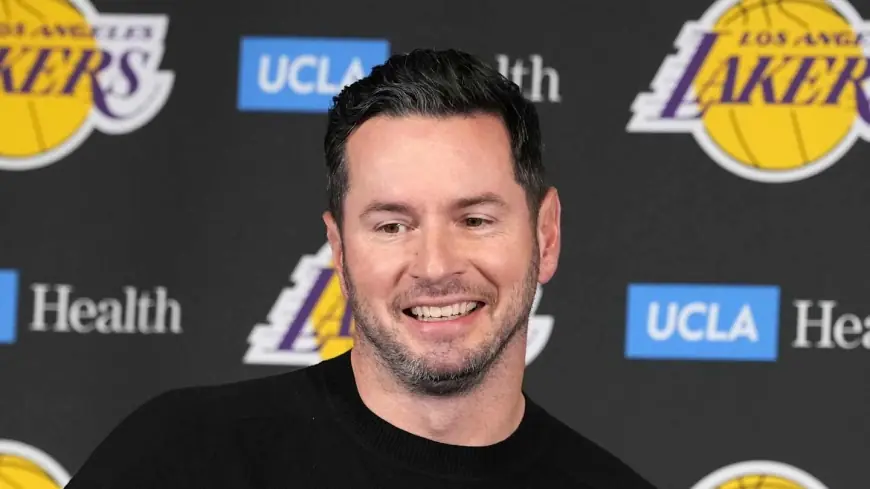
The choice to insert marcus smart into the starting five matters most for the Lakers’ core creators and defenders: Austin Reaves, LeBron James and Luka Doncic get a different defensive tone and more reliable on-ball energy around them. This is not a slight lineup tweak — it changes how matchups are contested, how minutes are balanced, and which bench pieces become offensive rather than defensive multipliers as the club pushes toward the stretch run.
Marcus Smart’s presence shifts who has to adjust and how the rotation breathes
Here’s the part that matters: adding marcus smart as a starter tilts the Lakers toward perimeter defense and communication, which forces complementary pieces to play differently. Opposing ball-handlers and wings will see more pressure; creators like Reaves, LeBron and Luka gain a teammate who can chase, hedge and rotate without sacrificing veteran savvy. That changes substitution patterns — size from the bench replaces perimeter grit up top, rather than the other way around.
What's easy to miss is how this tweak affects bench construction: sliding a previously-starting big to a reserve role opens minutes for size or shooting off the bench, allowing the staff to stagger minutes in new ways without losing defensive identity.
- Immediate effect: perimeter defense and on-ball pressure increase with the new starter set.
- Lineup flexibility: coaches can now stagger Hachimura and Kennard as off-the-bench options to balance offense and defense.
- Internal signal: the move signals coaching preference for defensive toughness over size in the starting five when all players are healthy.
- Rotation consequence: bench units are likely to carry more floor-spacing responsibilities while starters focus on containing opponents and creating easy chances for elite scorers.
What happened on the floor and the immediate evidence
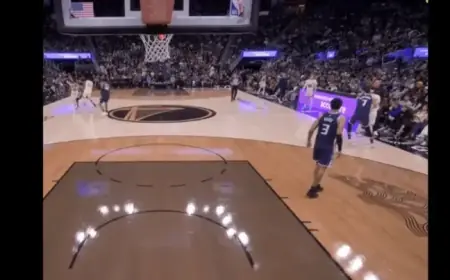
The team started marcus smart alongside Luka Doncic, LeBron James, Austin Reaves and Deandre Ayton in a recent home game against a rival. That grouping had logged only 12 total minutes together before the matchup, and Friday marked just the 11th game this season where Luka, LeBron and Reaves shared the floor at the same time. Even with limited prior minutes as a unit, the team produced a fast offensive start — scoring 41 first-quarter points — and secured a win in the first game after the All-Star break.
As part of the reshuffle, Rui Hachimura moved to the bench; he had been starting in the prior stretch and had registered a 21-point, three-rebound, one-assist, one-steal performance over 35 minutes in his last start. The coaching staff had previously used Hachimura for his size and shooting when health permitted, but opted for Smart’s defensive profile once all players were available.
If you're wondering why this keeps coming up, the short answer is matchup fit: Hachimura and LeBron were seen as overlapping in skill sets in some lineups, while Smart supplies the specific perimeter traits that are harder to replicate around multiple high-usage stars.
The real question now is how the rotation evolves. With Smart starting, the staff gains the option to bring Hachimura and Luke Kennard off the bench to create different scoring bursts and matchup looks. That balance could prove decisive in late-season playoff seeding and matchups where on-ball defense dictates possession outcomes.
Timeline (season context):
- Prior stretch: Hachimura had been a regular starter in the four games before the change, with his most recent start producing a 21-point outing.
- Recent game: the new starting five scored 41 first-quarter points and won in the first contest after the All-Star break.
- Season usage: the trio of Luka, LeBron and Reaves have shared the court together in only 11 games this season, making new lineup chemistry still a developing factor.
Forward signals to watch that will confirm the durability of this shift include whether the new starters maintain defensive metrics that justify the benching and whether bench scoring rises with Hachimura and Kennard in reserve roles. The bigger signal here is whether these lineup adjustments persist into consecutive games when the team is healthy — that will indicate whether the switch is tactical or merely situational.
One final note: the change is framed as more than short-term tinkering. It is a deliberate tilt toward perimeter defense and quicker switchability, aimed at maximizing what the team’s primary scorers do best while shoring up vulnerabilities that showed up early in the season.