









Carson Hocevar and the ripple effects on drivers after a huge Stage 2 crash and Logano’s Daytona podium

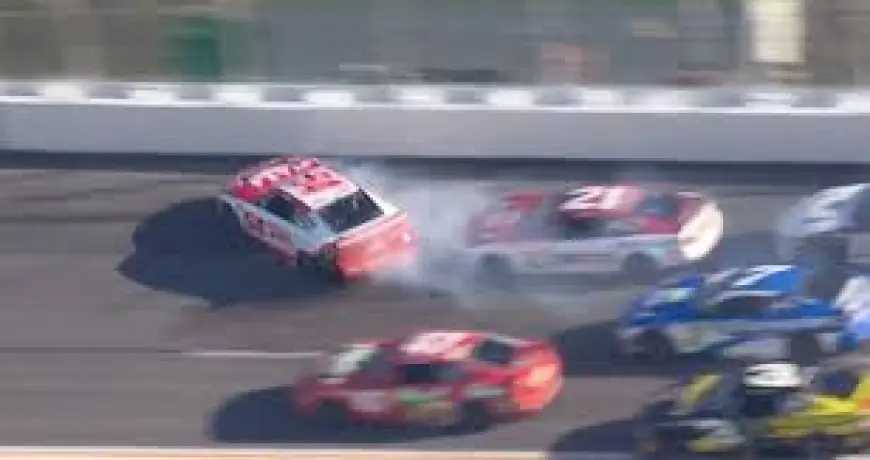
Interest in carson hocevar is part of a larger conversation after a huge Stage 2 crash that involved Ty Gibbs and Josh Berry, combined with Middletown native Joey Logano taking third at the Daytona 500. Why this matters now: those two headlines reshape immediate priorities for drivers, teams and anyone parsing the weekend’s competitive picture.
Immediate impact on the driver field — Carson Hocevar in focus
Here’s the part that matters: a major incident during Stage 2 and a notable podium finish change the calculus for race crews, sponsors and fellow competitors. For drivers broadly—whether or not they are directly named in weekend headlines—this weekend’s swings affect strategy, pit-road attention and recovery plans. The name carson hocevar appears in broader fan and team conversations as they reassess where resources and attention go after a disruptive Stage 2 moment and a podium result from Joey Logano.
What’s easy to miss is how a single high-profile crash plus a solid finish from an established competitor compresses decision-making windows for teams. Repairs, lineup shuffles and media time are immediate follow-ups; those are the operational impacts that settle first.
- Drivers and crews: must prioritize car readiness and short-term adjustments after a major Stage 2 crash.
- Competitors not involved in the incident may see strategic gains or tighter scrutiny, depending on how the weekend unfolds.
- Fan and media attention shifts between the crash participants and podium finishers—shaping narratives and questions posed on pit road.
Event details: Stage 2 crash, Logano’s third-place finish and the pit-road transcript
The explicit facts from the weekend are concentrated: a huge Stage 2 crash involved Ty Gibbs and Josh Berry; Joey Logano, noted as a Middletown native, took third at the Daytona 500; and there is a pit-road interview transcript for Joey Logano dated 02. 15. 26. Those are the concrete items shaping reactions and follow-up coverage.
Operationally, that combination tends to generate two immediate threads: damage assessment and narrative control. Teams tied to the crash will be occupied with repair timelines, while podium finishers and their teams will manage post-race messaging—evidenced by the availability of a pit-road interview transcript for one of those drivers.
Some practical signals to watch for that would confirm how the weekend’s events continue to matter: changes to team lineups, explicit mentions in subsequent race previews, and any follow-ups from race officials. The real question now is how teams will prioritize limited resources across repair, data analysis and next-event preparation.
- Key takeaways: the Stage 2 crash and Logano’s podium are the weekend’s anchors; they shift immediate focus toward repairs and message management.
- Groups affected include crew chiefs, pit crews and media teams—each has measurable short-term work added by these events.
- Signals of a turning point would include visible changes to entry lists, declared repairs or additional post-race interviews.
- carson hocevar remains a name drawing attention as observers sort through who gains or loses momentum after this weekend.
It’s important to note what is certain and what remains to evolve: the crash and the podium finish are documented items from the weekend; follow-up consequences for teams and specific drivers will play out in the coming hours and events. The transcript dated 02. 15. 26 offers a primary-window into post-race messaging for one podium driver, which will shape immediate narratives.
It’s easy to overlook, but the concentrated effect of both a major crash and a podium finish in the same weekend tends to amplify routine decisions—making otherwise small tactical moves more consequential in the short term.