

















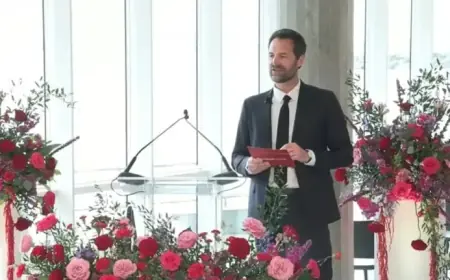







2026 Winter Olympics Closing Ceremony Marks Grand Finale in Verona

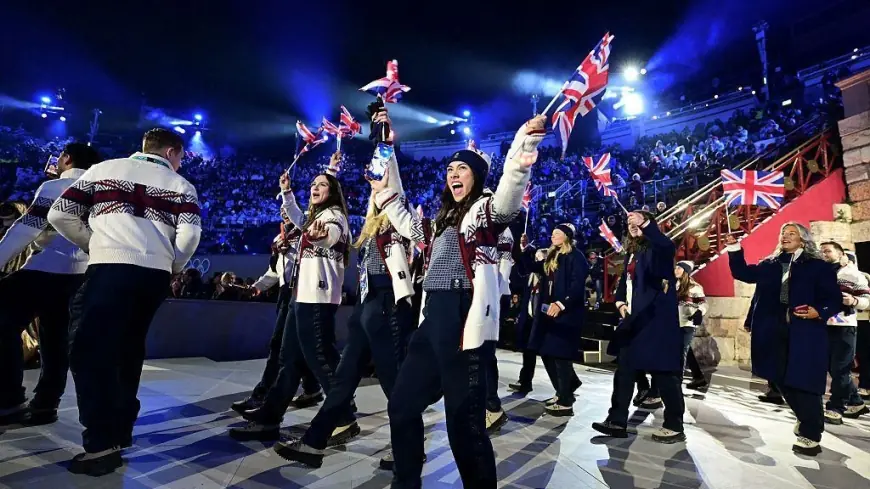
The Olympics closing ceremony has officially brought the Milano Cortina 2026 Winter Games to a close, capping more than two weeks of thrilling competition with a spectacular cultural celebration in Verona, Italy. Held on February 22, 2026, at the ancient Arena di Verona, the event combined tradition, athletic pride, and artistic performances in a memorable send-off for athletes from around the world.
Historic Setting and Emotional Farewell
The Olympics closing ceremony took place against the backdrop of the historic Verona Arena—a UNESCO World Heritage site—bringing together thousands of Olympic competitors and spectators for a night of celebration. The symbolic extinguishing of the twin Olympic flames in Milan and Cortina d’Ampezzo signaled the official end of Games that were remarkable for their geographic breadth and competitive intensity.
The atmosphere was charged with emotion as athletes, many of whom had forged bonds during competition, marched together in a unifying parade. Among them were Team USA flagbearers Hilary Knight and Evan Bates, celebrated for their accomplishments on ice and honored to lead their delegation one last time.
“Beauty in Action”: A Ceremony Rich in Culture
Titled “Beauty in Action,” the Olympics closing ceremony paid tribute to Italy's cultural heritage and contemporary creativity. A blend of opera, dance, pop, and electronic music energized the evening, with performances ranging from classical ballet interpretations to high-energy sets.
Highlights included:
-
Artistic showcases celebrating Italian music and movement
-
Special musical appearances by international and local artists
-
Moments honoring volunteers who contributed to the success of the Games
The cultural fusion underscored a common Olympic theme: sport as a bridge between nations and traditions.
Medal Successes and Nation Standouts
The closing ceremony also served as a moment to recognize the competitive achievements of athletes across 116 medal events in eight sports. Norway finished at the top of the medal table, notably led by star performances including Johannes Høsflot Klæbo’s record medal haul.
Other standout accomplishments included:
-
USA’s thrilling men’s ice hockey gold medal victory
-
Historic wins in individual Nordic and snow events
-
Strong showings from countries across Europe, Asia, and North America
These final athletic triumphs, celebrated alongside artistic performances, created a well-rounded culmination of the Winter Games.
Passing the Torch to 2030
Tradition held as officials performed the Olympic flag handover, passing responsibility to the next host nation for the Winter Games. In a symbolic act of continuity, the Olympic flag was presented to representatives of the French Alps, host of the 2030 Winter Olympics, setting the stage for future competition and international unity.
This transition acknowledged both the achievements of Milan and Cortina as co-hosts and the promise of what lies ahead for the Olympic movement.
Celebrations, Reflections, and Looking Ahead
Despite tight security and a small protest earlier in Verona over environmental and social concerns, the Olympics closing ceremony was overwhelmingly a celebratory event. Leaders and spectators alike praised the smooth execution of the Games and their positive cultural impact.
Italian officials highlighted the unifying power of sport and shared aspirations for future Olympic bids, including possibly hosting a Summer Games in the future.
As the Olympic flame was finally extinguished and spectators dispersed, athletes and fans turned their thoughts toward the upcoming Winter Paralympics in Verona and, ultimately, the 2030 Olympics in the French Alps—a reminder that while this chapter ends, the spirit of the Olympics continues.