


















Olympic Hockey Overtime Rules Stir Debate After Multiple Late-Game Ties

Olympic Hockey Overtime Rules have come under fresh scrutiny after a stretch of games over about 34 hours, from early Wednesday morning to Thursday afternoon, produced multiple late comebacks and tied finishes that highlighted contrasting approaches to overtime and video review.
Olympic Hockey Overtime Rules and the tight finishes
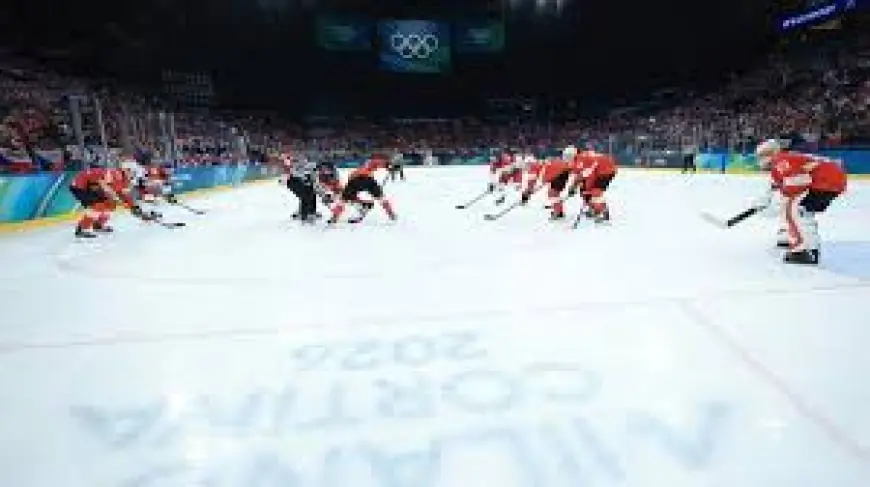
Over roughly 34 hours, three of the four men’s quarterfinal games on Wednesday and the women’s gold medal game on Thursday were each tied at the end of regulation, and the game-tying goal in each of those four games arrived with less than 3: 30 left in the third period. Those finishes prompted renewed attention to how tied Olympic games are decided when regulation ends level.
Three-on-three format and loud criticism
The three-on-three overtime format, adopted by the NHL after the 2004 lockout, was called “gimmicky” by critics who say it ensures a winner but sidelines physical, tough players who are pillars of the first three periods. For the regular season, the five-minute three-on-three followed by a shootout is accepted as entertaining; critics argue it is not the best decider in high-stakes games such as medal-round matchups.
The context presents two different outlines for how overtime is structured at the Olympics. One outline lays out: group stage and preliminary medal round — 5 minutes of three-on-three followed by a shootout; quarterfinals and semifinals — 10 minutes of three-on-three followed by a shootout; and finals — recurring 20-minute periods of three-on-three until there is a winner. A second outline presents an alternate setup: group stage — 5 minutes of three-on-three followed by a shootout; medal round (preliminaries, quarterfinals and semifinals) — 10 minutes of five-on-five followed by a shootout; men’s finals — one 20-minute period of five-on-five hockey, after which organizers can start with either a three-on-three period or a shootout.
Coach’s challenge, the Situation Room and Rules Court reactions
The presence of NHL players at the Games has produced a “blended” rulebook that is almost identical to the NHL’s rulebook, but not exactly the same. Pierre LeBrun’s reporting on differences set the stage for a Rules Court discussion that convened jurors Sean Gentille, Shayna Goldman and Sean McIndoe to put seven rule differences on trial. The panel cut two items — switching ends for overtime and players losing helmets during play — as relatively minor.
One prominent difference concerns reviews and the coach’s challenge: in the NHL, in the last minute of play in the third period or at any time in overtime the Situation Room in Toronto can initiate a review; under IIHF rules teams must initiate a coach’s challenge at all times in the game. Panel jurors pushed back on the IIHF method in one discussion strand: Sean McIndoe invoked “the rule of unintended consequences, ” arguing that allowing coaches to ask for reviews in overtime would encourage endless challenges and answered NO; Shayna Goldman said she prefers a league-initiated challenge and also answered NO; Sean Gentille delivered an “absolute zero-doubt NO. ”
The Olympic setup for video review differs further: referees at the tournament will not have people in a Situation Room to influence their decisions. Instead, referees will be talking on a headset to someone who helps them navigate the video being reviewed, but only the referees will be involved in (unclear in the provided context).
Web access note and a miscellaneous mention
Separately, one major news website displayed a message saying its site was built to take advantage of the latest technology, making it faster and easier to use, and that the visitor’s browser was not supported; the message asked readers to download a supported browser for the best experience. The Rules Court piece also included an image credit line naming Piero Cruciatti / AFP Getty Images.
What happens next
Debate over the overtime rules and review procedures will continue as organizers and leagues weigh player availability and event logistics; the next confirmed event or schedule milestone is unclear in the provided context.