























Nj Transit braces as New Jersey imposes mandatory travel ban and emergency declaration

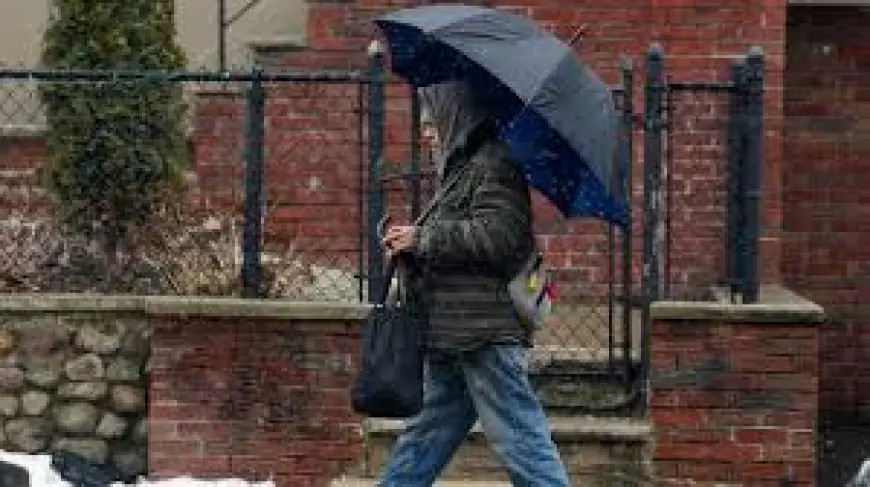
nj transit is preparing for operational impacts as New Jersey has put a mandatory statewide travel restriction in place overnight and the governor has declared a state of emergency to support snow removal and emergency response. The measures, timed around a major winter storm, limit movement on public roadways and set rules for exemptions and enforcement that will shape travel and cleanup over the coming hours.
Development details — Nj Transit preparation
The New Jersey Office of Emergency Management issued a statewide travel restriction effective from 9 p. m. Sunday, Feb. 22, through 7 a. m. Monday, Feb. 23. During that window all nonexempt vehicles are prohibited from traveling on state, county, municipal and interstate roadways; the New Jersey Turnpike is explicitly exempt from the ban.
Governor Mikie Sherrill declared a state of emergency effective at noon Sunday, Feb. 23 to protect public safety and to allow agencies to coordinate snow removal and emergency response. The restriction provides predefined exemptions for a range of critical operations: emergency and public safety vehicles, public transportation, snow removal and public works crews, utility vehicles, health care workers, government officials on official business, news media, and vehicles delivering critical medical supplies.
Additional exemptions cover workers supporting critical infrastructure, food and fuel distribution, pharmacies, airports, shelters and human services facilities, and patients traveling for urgent medical care. State police have advised that trucks already inside New Jersey when the restriction takes effect should pull off at designated areas and avoid stopping on highway shoulders. Violators of the travel restriction may face penalties under state law.
Context and escalation
A major winter storm moving into the region prompted the declaration and the overnight travel ban. NJ Transit has been named among the entities expected to brace for impacts as the potential blizzard nears, and public transportation is listed among the specified exemptions in the travel restriction.
What makes this notable is the concentrated timing: the travel ban covers peak overnight hours when crews are mobilizing for snow removal and when commuters and long-haul vehicles alike would be shifting routes, heightening the need for clear enforcement and staging of response assets. The state emergency declaration is intended to give agencies and local governments the legal authority and operational flexibility needed to clear roadways and restore safe movement once conditions permit.
Immediate impact
The ban immediately restricts travel for drivers in most private vehicles across state, county and municipal roads and interstate highways during the specified 10-hour overnight window. Public transportation is an explicit exemption, which keeps transit services in the category of permitted movement; officials have urged the public to stay off roads unless travel is essential.
Essential personnel named in the exemption list—health care workers, utility crews, food and fuel distributors, and staff at shelters and human services facilities—will continue to move under the rules. At the same time, truck operators already on New Jersey roadways face specific guidance from state police to seek designated pull-off areas and to avoid stopping on shoulders, a measure intended to prevent blockages that would hinder snow-removal equipment and emergency vehicles.
The immediate operational consequence is a sharply reduced private-vehicle presence on primary and secondary roads for the ban period, combined with continued movement for designated critical services. Enforcement provisions and explicit exemptions are designed to balance public safety with the need to sustain essential supply chains and emergency response.
Forward outlook
The travel restriction runs from the evening of Feb. 22 into the early morning of Feb. 23, while the state of emergency is noted as effective at noon on Feb. 23; emergency management officials have urged residents to remain off the roads unless travel is essential and to monitor official updates as conditions evolve. The state has set an immediate enforcement posture and outlined who may travel, and officials have signaled that snow-removal operations and emergency-response activities will proceed under the emergency declaration.
State authorities have provided specific guidance for truck drivers and listed a broad set of exemptions to ensure critical services continue. Residents should expect continuing official advisories and staged restoration of normal traffic once crews are able to clear roadways and officials lift restrictions.