























Bipartisan Delegation Secures Mexico Approval for Joint SEAL Training Mission

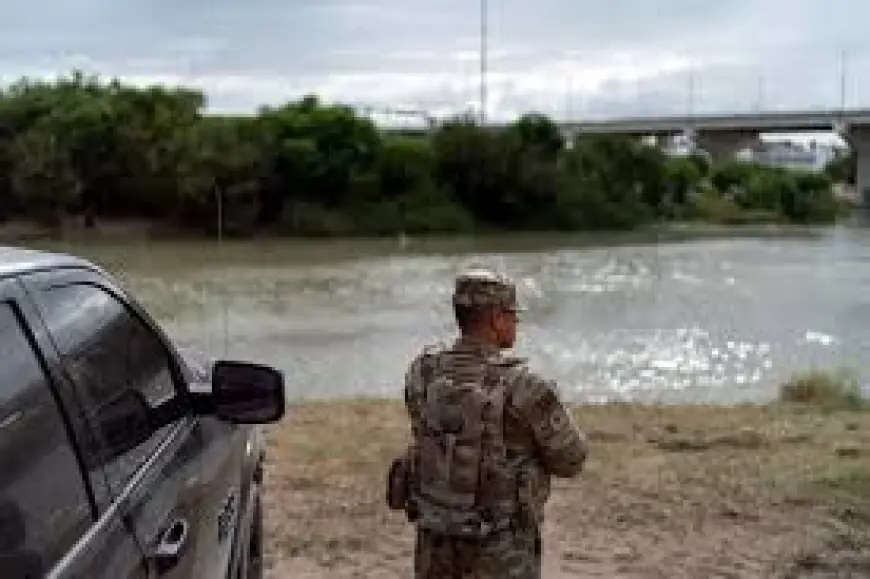
A bipartisan congressional delegation persuaded mexico’s legislature to greenlight a joint military exercise that will place 19 members of Navy SEAL Team 2 alongside the Mexican Navy in Campeche. The approval comes as U. S. officials press efforts to counter fentanyl trafficking and other cartel threats, and it clears a training window beginning Feb. 15.
Development details — Mexico approval and deployment
Mexican President Claudia Sheinbaum signed the authorization for the U. S. service members’ entry earlier this week, and the country’s Senate provided unanimous approval on Wednesday. The exercise is set to run from Feb. 15 to April 16 and will involve 19 members of U. S. Navy SEAL Team 2 training with the Mexican Navy in Campeche on the Gulf of Mexico. The congressional delegation that lobbied for the permission visited Mexico in January and was led by retiring Republican Rep. Michael McCaul of Texas alongside Democratic Rep. Henry Cuellar, also of Texas. McCaul chairs the Mexico-United States Interparliamentary Group, which he and Cuellar identified as the forum for raising the request and discussing oversight arrangements for the deployment.
Mexican lawmakers had initially balked at authorizing the joint exercise following a high-profile security event on Jan. 3. The delegation’s engagement in January is credited with changing the trajectory of that decision and securing the approvals that now permit the SEALs to enter and train under agreed conditions.
Context and escalation
The maneuver unfolds amid a stepped-up U. S. focus on cartel activity and fentanyl trafficking. U. S. political leaders have emphasized plans to crack down on cartels, and that push has at times strained bilateral discussions: the Mexican government declined an offered U. S. proposal framed as an effort to "take out the cartels. " Officials in the U. S. administration also flagged an incident in which a Mexican cartel’s drone breached U. S. airspace, prompting temporary airspace closures around El Paso International Airport to enable counter-drone operations. U. S. Northern Command did not respond to requests for comment about the training mission.
Rep. Henry Cuellar said the delegation used its visit to discuss a broad slate of bilateral issues, including regional security, counternarcotics, immigration, trade, agriculture and border infrastructure, framing such conversations as essential to efforts against fentanyl and to protecting cross-border ties. The delegation emphasized that the exercise would proceed under close oversight by Mexican authorities.
Immediate impact
The immediate effect is procedural clearance for the U. S. operators and a two-month window of joint training that Mexican and U. S. naval forces can use to practice interoperability and counternarcotics tactics. With the Senate’s unanimous vote and the president’s signature, the Mexican Navy can host the 19 SEALs in Campeche beginning Feb. 15, and the teams are scheduled to conclude activities on April 16. Mexican naval units, the visiting SEAL Team members and supporting elements will be directly involved; border-security and law-enforcement agencies on both sides of the border are positioned to benefit from any operational lessons or cooperative protocols developed during the exercises.
What makes this notable is that congressional engagement directly influenced a bilateral security decision during a period of heightened attention to cartel-related threats and cross-border incidents. The delegation’s intervention shifted legislative reluctance into formal approval and set a timetable for the training to proceed.
Forward outlook
The next confirmed milestone is the start of the exercise on Feb. 15, with activities slated to end on April 16. Mexican authorities will oversee the entry and conduct of the 19 U. S. service members in Campeche under the agreed oversight arrangements. Beyond the schedule, lawmakers have framed the exercise as one piece of broader discussions on counternarcotics, border security and trade issues that were raised during the delegation’s January visit. No additional deployments or operational expansions have been announced alongside the exercise approval.