





















Tsa Precheck suspended as tsa precheck and Global Entry halted during partial government shutdown

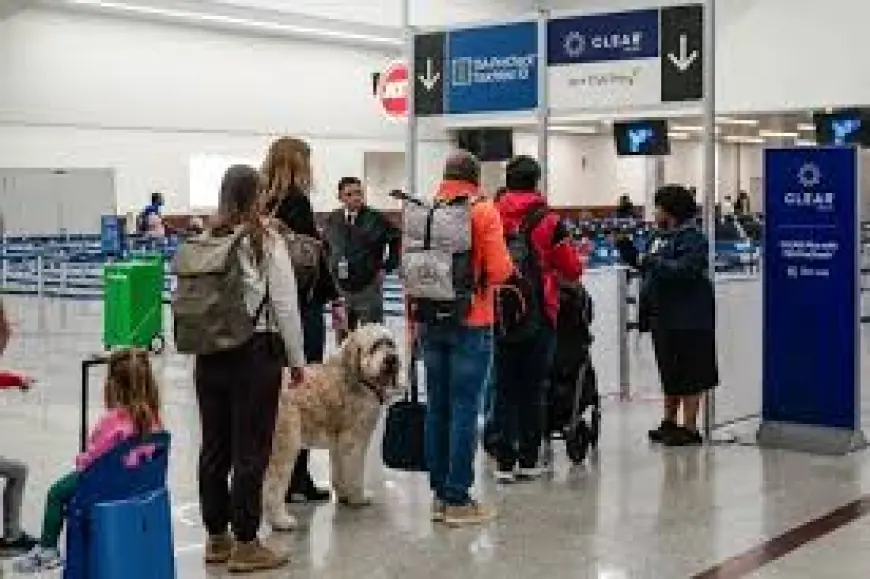
The Department of Homeland Security has suspended both tsa precheck and Global Entry as a partial government shutdown continued, a move that began early Sunday and is likely to cause headaches for passengers—especially in the north-east where an incoming blizzard is expected to compound delays. The suspension removes fast-track access through bag check and passport control for approved travelers and shifts resources toward the general traveling population.
Kristi Noem’s statement and the operational shift at airports and ports of entry
Homeland security secretary Kristi Noem said that “shutdowns have serious real world consequences. ” She added that “TSA and [Customs and Border Protection] CBP are prioritizing the general traveling population at our airports and ports of entry and suspending courtesy and special privilege escorts. ” The department’s move took effect early Sunday as the partial government shutdown continued.
What tsa precheck and Global Entry do for travelers
TSA’s PreCheck program allows approved passengers to use a faster security lane at US airports and is designed to reduce wait times, while Global Entry expedites US customs and immigration clearance for pre-approved, low-risk international travelers entering the US. Both programs give approved participants a fast-track through bag check and passport control, and the department said their suspension will shift those privileges so staff can serve the broader traveling public. The suspension was described as destined to cause headaches for passengers, particularly when combined in the north-east with an incoming blizzard.
Airlines’ response and Chris Sununu’s criticism
Some US airlines criticized DHS for providing scant warning of the temporary suspension. Chris Sununu, the chief executive of the trade association Airlines for America and the former Republican governor of New Hampshire, said, “Airlines for America is deeply concerned that... the traveling public will be, once again, used as a political football amid another government shutdown. ” He added that the news of the suspensions came at “extremely short notice to travelers, giving them little time to plan accordingly, ” and urged Congress to “get a deal done. ” Sununu also noted that a similar shutdown last year caused losses of more than $6bn across the travel industry and related sectors.
How the shutdown began and the congressional standoff over DHS funding
The partial government shutdown began on 14 February after Democrats and the White House were unable to reach a deal on legislation to fund DHS. Democrats have been demanding changes to immigration operations that the context describes as core to Donald Trump’s aggressive mass deportation campaign. That disagreement left DHS without the funding agreement and prompted the suspension of the airport security programs.
Enforcement controversies, recent killings in Minneapolis and the budget blockade
The department was given what the context calls an enormous funding windfall in legislation last year, but its enforcement agencies—Immigration and Customs Enforcement (ICE) and border patrol—have created a storm of controversy by cracking down violently on enforcement and protests in several Democratic-run cities over the last year. That escalation culminated most dramatically in two US citizens who were protesting an especially intense crackdown in Minneapolis last month being shot dead; Trump administration leaders quickly heaped criticism on the victims while defending the federal officers. Those killings prompted a national backlash and a partial retreat by the White House, and they drove Democrats to lead a block on funding for DHS pending reform, a blockade that led to the ongoing partial government shutdown.
Congressional criticism and Democratic reactions to the airport program suspensions
Democrats on the House committee on homeland security criticized the decision to suspend the airport security programs. They wrote on social media that the administration was “kneecapping the programs that make travel smoother and secure” and accused the administration of “ruining your travel on purpose. ” The criticism underscores the partisan fight tied to DHS funding and the recent enforcement controversies that helped trigger the shutdown.