























DHS Suspends Tsa Precheck and Global Entry as Shutdown and Blizzard Threaten Travel

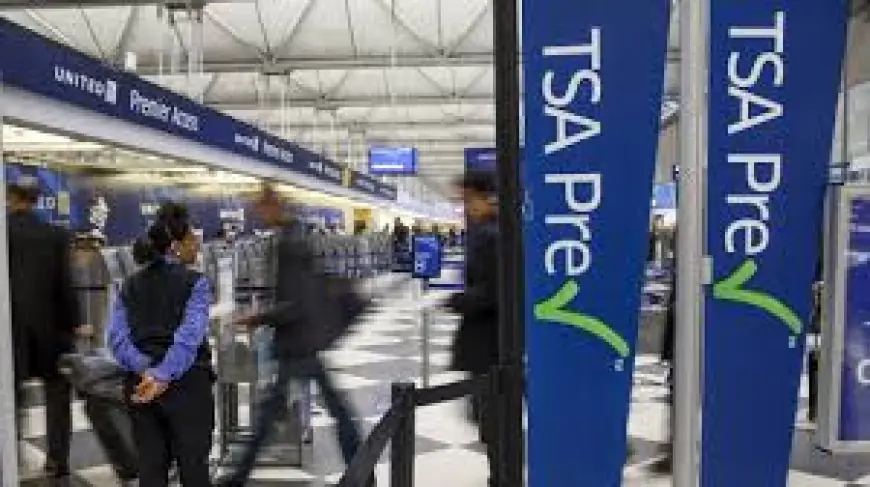
The Department of Homeland Security has halted two expedited traveler programs, including tsa precheck, effective early Sunday, a move that will slow processing at airports just as a northeast blizzard arrives. The suspension affects both domestic security lanes and international customs clearance and has drawn immediate criticism from lawmakers and airline groups.
Tsa Precheck pause deepens travel disruption
The suspension removes the fast-track benefits that approved participants enjoy through bag check and passport control. TSA PreCheck is designed to cut wait times by placing approved passengers into a faster security lane, while Global Entry expedites U. S. customs and immigration clearance for pre-approved, low-risk international travelers entering the United States. The department said the step takes effect from early Sunday; passengers face slower processing at checkpoints and passport control counters as a result.
Kristi Noem frames DHS priorities and consequences
Homeland security secretary Kristi Noem defended the move, saying "shutdowns have serious real world consequences. " She added that "TSA and CBP are prioritizing the general traveling population at our airports and ports of entry and suspending courtesy and special privilege escorts. " Those comments underline the agency's stated intent to reassign limited staff to core functions during the funding gap.
Airlines for America and Chris Sununu decry short notice
Some U. S. airlines criticized the department for giving travelers little advance warning. Airlines for America chief executive Chris Sununu, the former Republican governor of New Hampshire, said the trade association was "deeply concerned" that the traveling public would be used as a political football amid another government shutdown. Sununu added that the news of the suspensions arrived at "extremely short notice to travelers, giving them little time to plan accordingly" and urged Congress to "get a deal done. " He also pointed to the scale of prior disruption: a similar shutdown last year cost the travel industry and related sectors more than $6 billion.
Shutdown traceable to 14 February funding impasse
The partial government shutdown began on 14 February after Democrats and the White House failed to reach agreement on legislation to fund DHS. The immediate trigger for the current funding impasse was a Democratic demand for changes to immigration operations tied to resistance to policies central to Donald Trump's aggressive mass deportation campaign.
ICE and border patrol actions fuel political standoff
The department had received a substantial funding increase in legislation last year, yet its enforcement arms—Immigration and Customs Enforcement and border patrol—have been at the center of controversy. Over the past year those agencies intensified enforcement and cracked down on protests in several Democratic-run cities. That pattern culminated most dramatically when two U. S. citizens protesting what was described as an especially intense crackdown in Minneapolis last month were shot dead. Trump administration leaders quickly criticized the victims while defending the federal officers involved. The killings produced a national backlash and prompted a partial retreat by the White House, which in turn led Democrats to block DHS funding pending reform and set the current shutdown in motion.
House committee Democrats say move 'kneecaps' traveler programs
Democrats on the House committee on homeland security criticized the suspension as politicizing security programs that smooth travel. Through social media they said the administration was "kneecapping the programs that make travel smoother and secure" and accused officials of "ruining your travel on purpose. " The criticism underscores the political stakes of the decision and the pressure on lawmakers to resolve the funding dispute quickly.
What makes this notable is the convergence of operational strain and political conflict: a partial shutdown that began on 14 February has already prompted the DHS action to reassign staff, and the timing aligns with a northeast blizzard that will amplify passenger disruption. The department's stated cause—reallocating personnel toward core functions—directly produces the effect now being felt at security checkpoints and international ports of entry.