






















Makar’s Grip on the Norris Is Waning — What a Crowded Defense Race Means for the Trophy


The Norris conversation has shifted in ways that could reshape voting criteria this season — and makar is at the center of that shake-up. Recent rankings place a pair of U. S. defensemen ahead of him, while other top blueliners post contrasting offensive and defensive profiles that complicate a clear front-runner. That dynamic matters now because it reframes whether voters favor raw scoring, two-way balance, or defensive reliability when selecting a winner.
Why Makar’s position could change how voters weigh offense vs. defense
Here’s the part that matters: the contenders present starkly different cases. One challenger leads all NHL defensemen in points, another posts elite defensive metrics, and makar brings a high-scoring, plus-rated profile but has been pushed down in recent rankings. Those differences make the selection less about a single dominant stat and more about how voters value two-way impact versus offensive production.
Where the rankings stand and the numbers that explain the shuffle
Rankings compiled as of Feb. 21 show a top-five that includes several unexpected names and statistical contrasts rather than a runaway leader. Key, verifiable figures in the current debate:
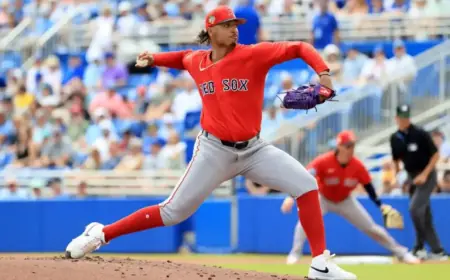
- Lane Hutson: 58 points in 57 games (1. 02 points per game) and listed fourth-best among defensemen who have played at least 1, 000 minutes in expected goals against per 60 at 2. 49; also among the top 10 in high-danger shot attempts against per 60 and with the second fewest giveaways by the top-five scoring defensemen.
- Evan Bouchard: leads all NHL defensemen with 63 points (15 goals, 48 assists) and is on an 89-point pace that would top his career high of 82 points from two seasons ago; plus-11 on the year while averaging a career-high 24: 44 time on ice.
- Cale Makar: in 55 games has 15 goals and 57 points, tied for fourth in scoring among defensemen, and a plus-28 rating; described in recent rankings as having been dethroned but still very much in the race.
- Quinn Hughes: 52 appearances split evenly between two teams this season — the first half produced two goals, 23 points and a minus-10 in 26 games; the second half produced three goals, 34 points and a plus-nine in 26 games.
- Moritz Seider and comparative net-rating snapshots: one breakdown shows a +16. 0 net rating for Makar made up of an +11. 6 offensive rating and +4. 5 defensive rating, while Seider posts a +15. 7 net rating with a +6. 3 offensive and +9. 4 defensive split; other top contenders display high offensive ratings offset by weaker defensive marks.
What’s easy to miss is that the race is shaped as much by those splits—offense vs. defense ratings—as by raw point totals. That nuance explains why a two-time winner can be bumped in current lists without being removed from contention.
- Hutson’s mix of scoring and defensive numbers pushes him into contention despite a smaller frame.
- Bouchard’s league-leading point total strengthens an offensive case for the Norris.
- Makar retains high scoring and a strong plus-minus but faces challengers with complementary cases (defensive strength or elite offensive volume).
- Hughes’ split-season turnaround exemplifies how team context can alter a player’s standing midseason.
Short micro-timeline: rankings cited are current as of Feb. 21; season-long point totals and game splits referenced above reflect that snapshot.
The real question now is how voters will balance those profiles late in the season. If offensive volume continues to climb for Bouchard and scoring-defense combos hold for Hutson and Seider, the award debate will likely become a close, multi-way decision rather than a clear coronation.
Indicators that would confirm a further turn: a widening lead in overall points for any contender, a sustained defensive rating edge, or a clear change in deployment that affects time on ice. Expect the narrative to tighten as these statistical splits evolve — details may still change as the season progresses.
Writer's aside: The bigger signal here is that voters are being presented with qualitatively different cases this year, which tends to produce tighter races and more subjective final ballots.