














Nhl Teams Face Immediate Roster and Reputation Ripples After Milan‑Cortina Results — Canadiens’ Kapanen Bronze; Slafkovsky Respected

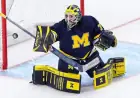
For nhl teams, the closing phase of the Winter Olympics in Milan‑Cortina matters because it changes player momentum and how clubs will evaluate recent minutes at the highest level. Montreal Canadiens rookie Oliver Kapanen returns with a bronze medal, while teammate Juraj Slafkovsky leaves without hardware but with respect earned on the biggest stage. That mix of medal and merit creates immediate considerations for coaching staffs and roster planning.
Nhl Teams: who feels the short‑term impact and why it matters
Clubs with Olympians often confront two concrete effects: a change in player confidence and a short window for recovery before resuming club duties. For nhl teams that had players in Milan‑Cortina, Kapanen’s bronze is a clear boost in credentials; Slafkovsky’s tournament, even without a medal, produced respect that can affect usage and perception back at the club level. The practical fallout — minutes managed, role adjustments, and the narrative around each player — lands first with coaching staffs and team medical teams.
Here’s the part that matters: Olympic outcomes can alter a player’s status immediately, even when the headline is not a medal. That combination of a tangible podium and a respected performance without hardware will be parsed by decision makers inside the clubs.
Olympic outcomes and selected results (embedded, not a play‑by‑play)
- Montreal Canadiens rookie Oliver Kapanen returned home with a bronze medal.
- Juraj Slafkovsky left the Games empty‑handed but earned notable respect for his showing on the biggest stage.
- Great Britain was defeated by Canada in the men’s curling gold‑medal match, losing 9‑6 after difficulties in the final ends; the British men had been aiming for their first Olympic men’s curling gold since 1924.
- The women’s halfpipe final was postponed until Sunday (09: 40 GMT); Great Britain’s Zoe Atkin entered with a strong medal chance.
- Norway’s Johannes Hoesflot Klaebo won his sixth gold of the Games in the 50km cross‑country event; Great Britain’s Andrew Musgrave finished sixth in that race.
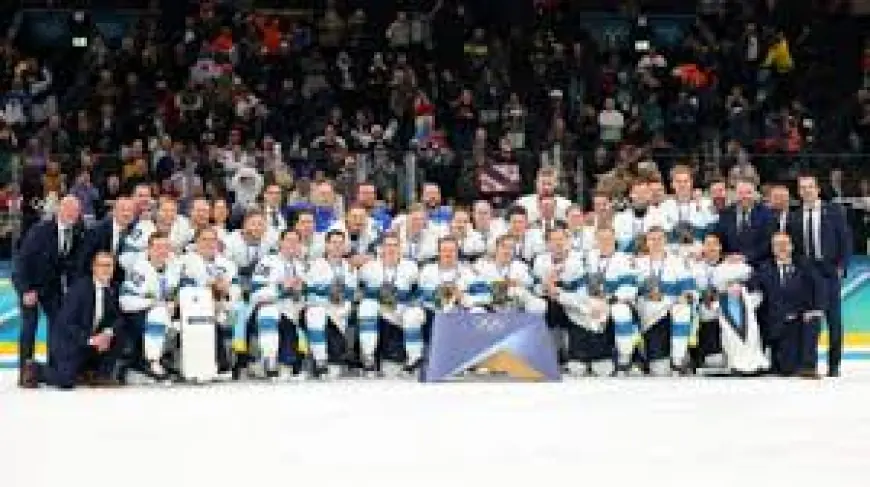
- Finland pulled away from Slovakia to win the Olympic bronze medal in the men’s ice hockey bronze match.
- Coverage noted that there were five gold medals scheduled for the 16th and final day of competition, with the event listings described as the penultimate and final stages of the Games.
Key takeaways:
- Kapanen’s podium is a clear, measurable credential returning to his club; it can translate to immediate confidence and a stronger case for opportunity.
- Slafkovsky’s tournament value rests in earned respect rather than hardware — a subtler boost that can influence coaching decisions and locker‑room standing.
- Curling’s gold result keeps Canada on top of the men’s podium, while Britain must reconcile a near miss against long‑standing historical expectations.
- The final days of the Games continued to produce headline results across multiple disciplines, meaning teams and player evaluators will be processing varied signals at once.
It’s easy to overlook, but a single Olympic medal or a widely noticed performance without a medal can shift a player’s momentary trajectory: short‑term roster decisions and public perception often move faster than contract cycles.
The real question now is how quickly clubs integrate these signals into lineup and conditioning plans. Expect coaches to balance refreshed confidence and fatigue, and to treat medal returns and respected showings differently when deciding immediate roles.
Micro timeline (compact):
- Late in the Olympics: multiple medal events conclude, producing both podiums and notable non‑medal performances.
- Men’s curling final ended 9‑6, Canada over Great Britain; Britain sought a gold not achieved since 1924.
- Men’s ice hockey bronze went to Finland over Slovakia; other events continued into the final competitive days.
Team staff across the league will be watching recovery markers and player readiness as the next practical signals that confirm how these Olympic results translate back to club performance.