

























Sepsis Dog Lick: How a Penn Woman’s Quadruple Amputation Highlights Who’s Most at Risk

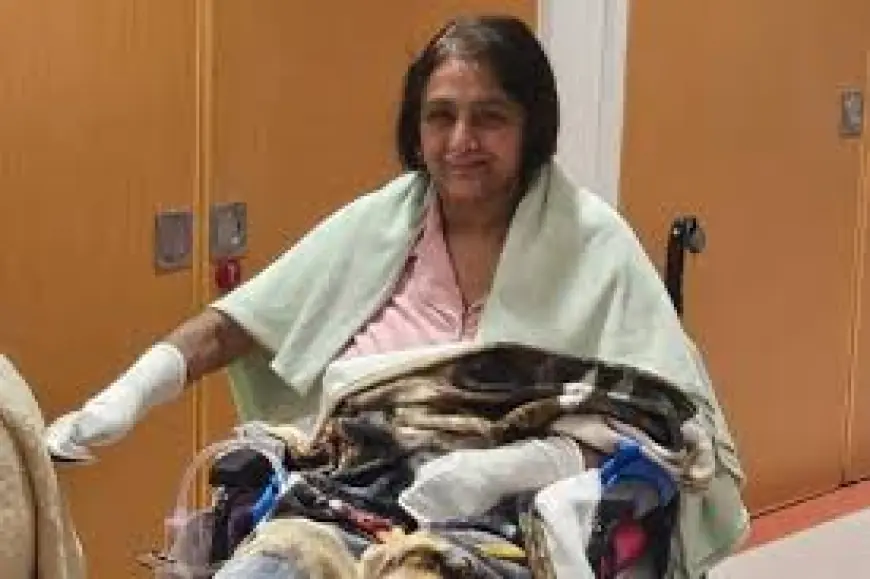
Content warning: this article contains images some readers might find upsetting. What’s at stake here is immediate and personal: a case where a suspected sepsis infection that doctors link to a dog lick on a small cut led to 32 weeks in hospital, multiple cardiac arrests and the loss of all four limbs. The phrase sepsis dog lick appears in medical discussions of this incident because clinicians believe the lick on a small scratch may have started the chain of events that left the 56-year-old survivor determined to warn others.
Who feels this most — families and anyone hit fast by a sudden infection
Here’s the part that matters: the direct human impact stretched from hospital wards to a family home on the Wolverhampton/Staffordshire border. Manjit Sangha, 56, who worked seven days a week before falling ill, spent months in hospital and returned home to Penn after a prolonged, life-threatening course. Medics had thought she would almost certainly die, and her family later gave her a hero's welcome when she left Ward 9 at Moseley Hall in Birmingham on a Wednesday. She now wants to warn others and believes the outcome "could happen to anybody. "
Sepsis Dog Lick — the suspected trigger and the warning it carries
Doctors believe her sepsis might have been caused by something as innocent as a lick from her dog on a small cut or scratch. As she recovers and begins to rebuild her life, she is focused on alerting others to the danger. It is important to note that sepsis is described as a rare but serious medical condition in which the body's immune system, meant to fight infection, begins attacking its own tissues and organs. The NHS characterises it as life-threatening and sometimes hard to spot, and the UK Sepsis Trust estimates about 50, 000 sepsis-related deaths in the UK each year.
Immediate timeline and how fast this unfolded
Manjit returned home on a Sunday afternoon in July last year feeling unwell; by the following morning she was unconscious. Her hands and feet became ice-cold, her lips turned purple and she was struggling to breathe. Her husband, Kam Sangha, said the situation felt surreal — one minute she was playing with the dog on a Saturday, Sunday she went to work, and by Monday night she was in a coma. The first month after her illness is hazy for her; she says she does not remember that time.
Medical course: arrests, amputations and other complications
While in intensive care at New Cross Hospital in Wolverhampton her heart stopped six times. Surgeons at Russells Hall Hospital in Dudley later amputated both legs below the knee and both hands after the condition spread. She also lost her spleen, battled pneumonia and developed gallstones which she was told might require further surgery. In total she spent 32 weeks in hospital and endured several cardiac arrests during that period.
Personal warning, ongoing recovery and what to look for
As she recovers, Manjit has spoken about how hard it is to explain the experience and how quickly she lost her limbs and hands. She described the changes as "a very big thing" and urged others to take sepsis seriously, saying it is "very serious and not to be taken lightly. " In adults, symptoms can include slurred speech, extreme shivering or muscle pain, severe breathlessness and skin that is mottled or discoloured — signs that have been emphasised in discussions of her case.
- 32 weeks in hospital, several cardiac arrests, and a quadruple amputation were part of her medical journey.
- She left Ward 9 at Moseley Hall in Birmingham on a Wednesday and returned to Penn on the Wolverhampton/Staffordshire border to a family welcome.
- Her heart stopped six times in intensive care at New Cross Hospital, Wolverhampton; surgeons at Russells Hall Hospital in Dudley performed the amputations.
It’s easy to overlook, but the combination of prolonged hospitalization, multiple cardiac arrests and additional problems—loss of spleen, pneumonia and gallstones—shows how extensive the aftermath can be even when the initial cause seems minor. The real question now is how widely this case will influence conversations about early signs of severe infection and personal vigilance around even small wounds. Recent updates indicate that she has returned home and is focused on warning others; details may evolve as her recovery continues.
Key practical reminder: if you notice sudden, severe symptoms like slurred speech, extreme shivering or discoloured skin, seek urgent medical attention—these are among the adult symptoms flagged in the discussion around this case.