





















Matt Boldy Olympics — Quinn Hughes’ OT winner forces U.S. into an 'extremely hard' Slovakia semifinal

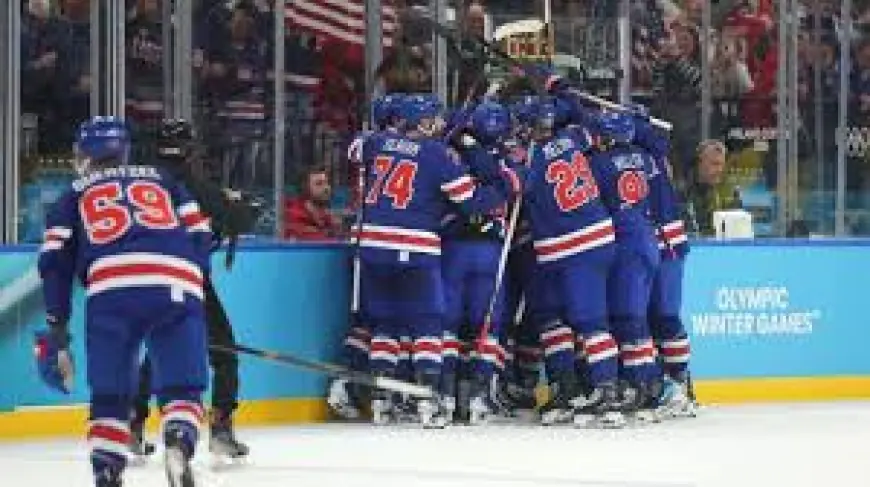
Why this matters now: Matt Boldy Olympics is a trending search term, but the immediate consequence for Team USA is clearer — Quinn Hughes’ overtime goal flipped a tense quarterfinal into a path that now demands a different kind of preparation. The U. S. survived a 2-1 OT win over Sweden and will face Slovakia in the semifinals, a matchup described by players as an "extremely hard" test that changes how the roster must approach the remainder of the tournament.
Matt Boldy Olympics consequence: a semifinal that reframes America’s medal math
Here’s the part that matters: Hughes’ overtime winner doesn’t just advance the U. S. — it forces the team into a single-elimination gauntlet against Slovakia, a side that earned momentum by topping a group that included Sweden and Finland and then routing Germany to reach the last four. That sequence turns what had been a relatively quiet group-stage path into a matchup where desperation and momentum could neutralize raw star power. Team leaders warned that Slovakia’s recent run makes the semifinal feel like “Game 7 every night, ” highlighting the shift from expectation to urgency.
How the quarterfinal played out — essential details
The U. S. beat Sweden 2-1 in overtime after a late regulation equalizer tied the game with 91 seconds left. American goaltender Connor Hellebuyck had been steady through regulation, stopping every shot he faced until Sweden’s tying goal. In overtime, 26-year-old defenseman Quinn Hughes scored the decisive goal to send the Americans through.
Prior to the knockout stage, the U. S. had advanced from a group where they defeated Germany, Latvia and Denmark to secure a bye into the quarterfinals as the No. 2 seed, though observers noted the team often started slowly and didn’t always show the chemistry expected against lesser opposition. The last U. S. Olympic gold in men’s hockey came 46 years earlier, a historical touchstone mentioned in reflections on this roster’s perceived strength and belief that it could finally be their time.
- Final (quarterfinal): U. S. 2, Sweden 1 (overtime)
- Key goalie note: Hellebuyck turned away a long run of shots before conceding the late equalizer
- Slovakia’s path: won a group containing Sweden and Finland, then routed Germany to reach semifinals
- U. S. position: earned a bye to the quarterfinals as the No. 2 seed after group wins over Germany, Latvia and Denmark
It’s easy to overlook, but the quarterfinal’s late drama exposed how quickly momentum can swing in knockout play: one conceded goal late in regulation erased what had been a near-certain trip to the semis and put pressure on leadership to steady the group before overtime.
The real question now is how the Americans will adapt tactically and mentally for Slovakia. The semifinal will test whether a roster widely regarded as strong can translate individual talent into consistent, high-stakes performance against a team riding confidence and recent wins.
- Key takeaways: team leaders settled the group after the late equalizer; overtime heroics secured advancement; Slovakia’s momentum creates a different challenge than earlier group opponents; the U. S. must sharpen chemistry under do-or-die conditions.
A short timeline of the immediate sequence: U. S. earned a bye out of group play; Sweden tied late in regulation to force overtime; Quinn Hughes scored early in OT to win the game and set up the semifinal with Slovakia. The semifinal now represents a pivotal turning point for America’s medal hopes.
What’s easy to miss is that momentum and desperation can outweigh star lists in single-elimination hockey — Slovakia’s recent stretch through their group and a dominant win over Germany means they arrive with a different competitive temperature than teams the U. S. faced earlier. Preparation will have to match that intensity if the Americans expect to control their own destiny.
If you’re wondering why this keeps coming up, it’s because a quarterfinal that looked destined for a routine finish turned into a reminder that in Olympic knockout hockey, no lead is safe and narrative shifts happen in a single sequence.