
























Breeze Airlines expands: 12 new routes, TLH entry eyed as Ogden service marks two years

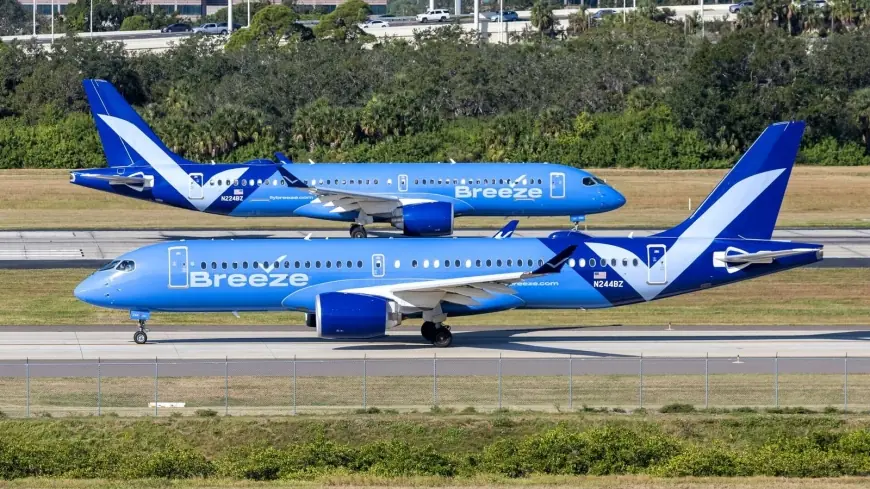
Fresh coverage of low-cost carrier network moves indicates breeze airlines is positioning for significant domestic growth, with a slate of potential new routes centered on the U. S. Southeast, a concrete plan to add service at Tallahassee International Airport, and a schedule change announced for its twice-weekly Ogden flights. These developments matter because they target under-served markets and reflect the carrier's fast-paced expansion strategy.
Breeze Airlines coming to TLH airport? Here's what we know
Recent reporting highlights Tallahassee International Airport as a newly targeted market. The carrier is set to operate to TLH from its bases at Raleigh–Durham and Fort Lauderdale–Hollywood, adding two new connections that introduce non-hub alternatives for the state capital. Tallahassee processed fewer than one million passengers last year and offered routes only to five legacy-carrier hubs (ATL, CLT, DCA, DFW, MIA), so the incoming service aims to broaden direct options for travelers in the region.
Local leaders have approved a $10 million airport incentive program designed to attract additional airlines and routes, an initiative airport officials signaled could be decisive in landing new service. The planned Breeze entry will include at least one intra-Florida link; similar intra-state efforts in the past were flown by other regional carriers and were later attempted by a major low-cost carrier in 2024 but did not persist. The new TLH connections are presented as part of a wider package of route additions that remain in early stages of public disclosure.
12 new routes shaping a Southeast push
Coverage of forthcoming network moves identifies a 12-route expansion that emphasizes the U. S. Southeast and increased intra-Florida flying. The potential routing list centers around several regional airports, including Birmingham, Tallahassee, Jacksonville and Tampa, and ranges out to smaller markets such as Salisbury, Scranton, Charleston and Greenville. Expansion plans also point to stronger presence at Raleigh–Durham International Airport and notable growth at Fort Lauderdale–Hollywood.
Those planning notes frame the carrier as one of the fastest-growing in the domestic market, fueled by heavy use of its Airbus A220 fleet on transcontinental and regional sectors. While the full list of routes and formal corporate announcements remain pending, the scope and geographic focus of the proposals indicate a strategy to serve secondary cities and reconnect underserved state capitals and mid-size metro areas.
Ogden service turns two; schedule change aims to boost weekend travel
At Ogden–Hinckley Airport, service that began when the first flight arrived from John Wayne Airport on Feb. 21, 2024 has entered its third year of operation. Airport officials and the carrier point to terminal improvements and operational reforms that coincided with the arrival, and local usage data show more than 24, 000 guests flew on the carrier's Ogden flights in 2025.
To better capture weekend demand, the carrier is shifting the current Monday/Friday pattern for the twice-weekly John Wayne–Ogden roundtrip to a Thursday/Sunday schedule starting May 4. The carrier has described the change as an attempt to improve load patterns and to build repeat customers; there are no immediate plans announced for additional Ogden destinations beyond the schedule adjustment.
What to watch next
- Formal announcements: Some route plans are publicly visible through early notices, but corporate confirmations and official launch dates remain outstanding for many of the 12 proposed additions.
- TLH performance: Tallahassee’s passenger base and the new incentive program make the market a key test of whether new low-cost service can diversify options beyond legacy-hub links.
- Ogden momentum: The schedule change and past passenger counts will reveal whether adjusted frequencies and timing translate into sustained growth or future route development.
These developments collectively underscore an aggressive network posture focused on connecting mid-size and secondary markets. Observers should expect additional clarifications and formal filings in coming weeks as route timelines and frequencies are finalized.