














Punch Monkeys: Why zoo staff and visitors are rushing to see the viral baby monkey and what it means for social recovery

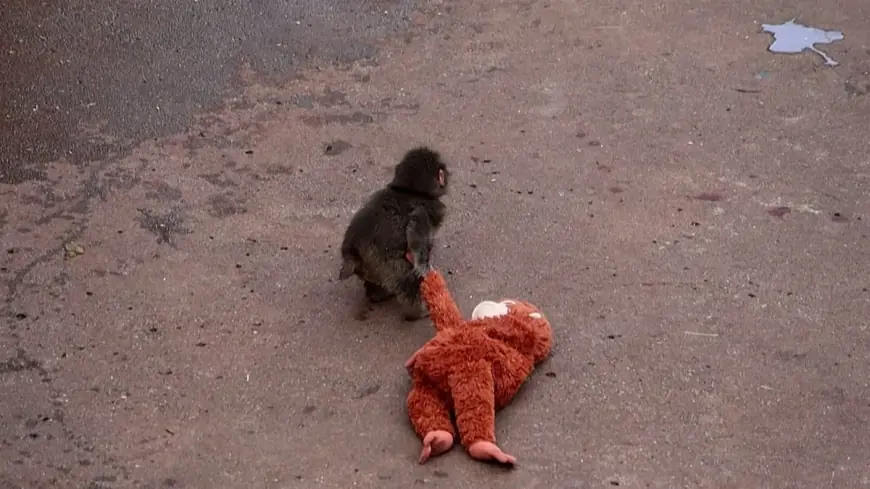
The moment millions first noticed, a tiny macaque clutching a stuffed orangutan, pushed punch monkeys into the public eye and sent visitors to a Japanese zoo in large numbers. This matters now because the animal at the center of those clips is showing early signs of social reintegration: members of his troop have begun hugging and grooming him, and that shift changes how keepers, fellow primates and visiting crowds interact day-to-day.
Punch Monkeys — what visitors and staff are noticing
Punch is a young Japanese macaque at the Ichikawa City Zoo in Japan who went viral after videos showed him dragging and playing with a soft toy given by zookeepers as a substitute for his mother. Fans have flocked to the zoo to see the viral baby monkey in person, and keepers report more in-person attention from the troop. Here's the part that matters: the increased foot traffic changes both visitor management and the pacing of the troop’s social introductions.
How Punch arrived at this point and the early social signs
During the first few months of his life Punch struggled to bond with the other monkeys in his enclosure and had only the company of his human keepers and the stuffed toy. Recent videos show a turnaround: he was given a hug by one monkey and was seen grooming others, which is described as a key part of macaque socialisation. It’s easy to overlook, but grooming is the social currency that helps primates build trust and friendships within a group.
Public attention and surrounding media items
The viral clips ran alongside a wide range of short video items in broader coverage, including footage of police going undercover as lion dancers to catch a thief, a Lunar New Year 2026 celebrations package, an inside press briefing on tariffs and a caravan of other human-interest and news pieces. Other brief features included giant tortoises returning to a Galápagos island after nearly 200 years, coverage of Andrew Mountbatten-Windsor’s future and an item revisiting his arrest, questions about accountability in the Epstein case, a skier describing panic during an avalanche, an Italian town’s flying oranges carnival, a giant robot tribute to Brazil’s President Lula finishing last in a competition, and a survivor’s testimony on a nightly program. Copyright © 2026. The broadcaster is not responsible for the content of external sites.
What experts and caretakers are emphasizing
Matt Lovatt, director for Trentham Monkey Forest in the UK, commented on Punch’s behaviour on a morning program, noting that grooming is the key route for primates to form friendships within the group. Lovatt oversees the well-being of the Barbary macaques at a wildlife sanctuary near Stoke-on-Trent. Keepers at Ichikawa City Zoo have moved from solitary care with human staff and a toy to staged interactions that allow the troop to accept Punch at his own pace.
Operational implications and near-term signals
- Visitor flow: fans flocking to see the viral baby monkey increases daily attendance and requires adjusted visitor management.
- Keeper strategy: gradual social introductions appear to be producing grooming and a hug, early indicators of acceptance.
- Behavioural signal to monitor: sustained grooming among troop members and independent affiliative interactions would confirm a longer-term reintegration.
If you’re wondering why this keeps coming up: the combination of a visually compelling toy-clutching moment, visible early social behaviour, and public interest creates a feedback loop that keeps Punch in the spotlight—for better and for more logistical pressure on the zoo.
Quick Q&A
Q: Who is most directly affected by Punch’s situation?
A: Zoo staff managing the troop and visitors drawn to see the viral baby monkey are the immediate groups adapting to the change.
Q: What has changed in Punch’s behaviour?
A: He has moved from relying mainly on human keepers and a stuffed toy to receiving a hug from another monkey and participating in grooming with peers.
Q: What would confirm successful reintegration?
A: Continued, repeated grooming and voluntary social interactions initiated by Punch and other troop members.
The real test will be whether those early grooming sessions evolve into stable social bonds; consistent, independent interactions would point to lasting acceptance. The zoo’s careful pacing appears to be producing hopeful signs, and visitors continue to arrive to witness the next chapters in Punch’s story.