











Punch Monkeys: Viral baby macaque at Ichikawa City Zoo begins grooming peers as fans flock

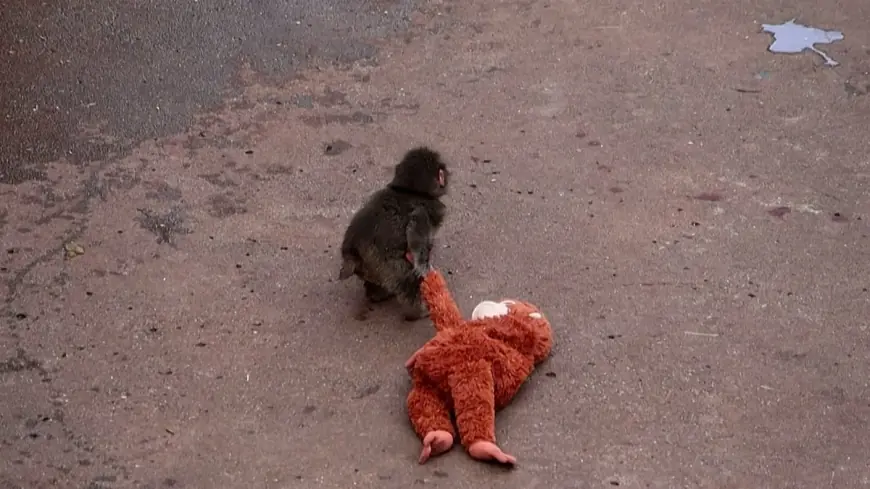
Punch, the abandoned baby Japanese macaque whose images of hugging a stuffed orangutan captured millions of hearts online, is showing signs of social recovery at Ichikawa City Zoo. The shift from relying on human keepers and a toy to receiving grooming and a hug from other monkeys matters now because visitors have been flocking to the zoo to see him and the footage suggests he may be integrating into his group.
Punch Monkeys at Ichikawa City Zoo
Punch is a young Japanese macaque living at Ichikawa City Zoo in Japan. After being rejected by his mother, zookeepers gave him a soft orangutan toy as a substitute caregiver; videos of him dragging and playing with that toy went viral and earned him millions of hearts online. Fans have been flocking to the zoo to catch a glimpse of the viral baby monkey Punch, though the number of visitors and precise timing of those visits are unclear in the provided context.
Stuffed orangutan and early months
During the first few months of his life, Punch struggled to bond with other members of the zoo's enclosure and had, for a time, only the company of human keepers and the stuffed toy. The toy functioned as a stand-in for his mother while keepers cared for him, and footage lasting 00: 01: 22 that circulated online captured him clutching the orangutan soft toy. That early reliance on humans and an object preceded the wave of online attention that made him a viral figure.
Social breakthrough: hug and grooming
Recent videos show a change in Punch's behaviour: he was given a hug by one monkey and was seen grooming others. Grooming is identified in the context as a key part of macaque socialisation, and commentators have flagged this activity as the primary mechanism through which primates build trust. The cause–effect is straightforward: after weeks of isolation from his species and attachment to a toy, renewed physical contact from group members has led to observable affiliative behaviours such as grooming and a reciprocal embrace.
Reaction from Trentham Monkey Forest and Breakfast
Matt Lovatt, director for the UK's Trentham Monkey Forest, spoke about Punch's behaviour on Breakfast. Lovatt, who oversees the well-being of Barbary macaques at a wildlife sanctuary near Stoke-on-Trent, said it has been encouraging to see Punch start to groom. "It's been great to see him starting to groom, because that's the key way these primates can start to build up friendships with the monkeys within their group, " he said.
Fans flock to Ichikawa City Zoo
The online attention and the heartwarming footage prompted fans to gather at Ichikawa City Zoo to see Punch in person. The context confirms that visitors have come to the zoo because of the viral clips, but details such as crowd size, dates of peak visits, and any operational responses by the zoo are unclear in the provided context. What makes this notable is that public interest—measured in viral engagement and visitors—appears to coincide with signs that Punch is moving from surrogate comfort to natural social exchanges.
While Punch's long-term integration into the macaque group remains to be seen, the sequence of events is clear in the available information: rejection by his mother led keepers to provide a stuffed orangutan, the toy and Punch's behaviour attracted widespread online attention, and recent interactions with other monkeys have produced grooming and a hug that are early markers of social acceptance. Observers and keepers are monitoring those behaviours as indicators that friendships may begin to form within the troop.