





















Nasa Artemis Rocket Launch Faces Upper Stage Helium Problem, Teams Prepare Possible Rollback

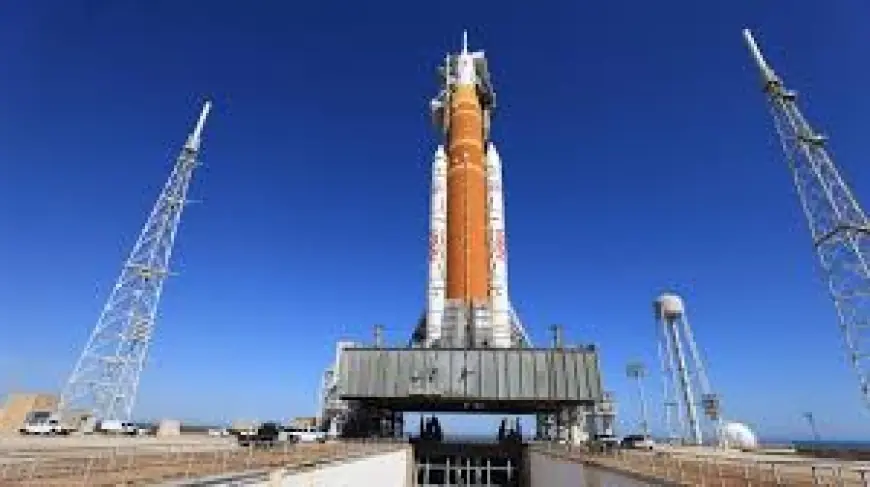
The latest development in the nasa artemis rocket launch campaign centers on an interrupted flow of helium to the Space Launch System’s interim cryogenic propulsion stage, prompting teams to prepare to roll the rocket and crew vehicle back to the Vehicle Assembly Building for troubleshooting. That move would affect the March launch window but teams are taking steps that could preserve an April opportunity pending repairs and data review.
Nasa Artemis Rocket Launch: Technical issue and immediate actions
Engineers observed an interrupted helium flow overnight and are actively reviewing data to determine the cause. The upper stage relies on helium to maintain environmental conditions for its engine and to pressurize its liquid hydrogen and liquid oxygen tanks. While the helium systems worked during recent wet dress rehearsals, teams were not able to properly flow helium during normal operations and reconfigurations following that test campaign.
Operators are using a backup method to maintain environmental conditions and the rocket currently remains in a safe configuration. To preserve options for troubleshooting both at Pad B and inside the Vehicle Assembly Building, teams are preparing to remove pad access platforms that were recently installed. Those platforms have wind-driven constraints and cannot be removed during the high winds that are forecasted for the following day.
What engineers are checking and prior troubleshooting context
Workstreams are examining several potential causes within the helium plumbing and controls. Areas under review include the interface between ground and rocket lines that route helium, a valve in the upper stage, and a filter located between the ground and rocket systems. Teams are also reviewing data from the prior Artemis I campaign, which required troubleshooting of helium-related pressurization on the upper stage before launch.
The decision to prepare for a rollback reflects a desire to keep multiple troubleshooting paths open. Bringing the stack back to the Vehicle Assembly Building would allow access to additional diagnostics and repair options that are more difficult to carry out on the pad.
Schedule consequences and mission context
A rollback would mean the mission will not launch in the March window currently targeted for Artemis II. Preparations, however, are designed to enable the preservation of an April launch opportunity, contingent on data findings, repair efforts, and how the schedule develops in the coming days and weeks.
Recent planning had identified early March dates for launch, and the mission will carry four astronauts on a circumlunar flight that does not include a landing. Crew preparations included a return to quarantine in anticipation of the March target date. The flight plan calls for a roughly 10-day trip around the moon, which was described in program planning as extending beyond the moon’s far side and testing systems needed for future deep-space exploration. The Artemis II mission also serves as a precursor to a later mission planned to return humans to the lunar surface.
Next steps and what to watch for
Teams will continue to analyze helium-flow data and evaluate the results of inspections and troubleshooting. A formal rollback decision will depend on those findings, repair timelines, and weather constraints affecting pad access. Because elements of the issue remained unresolved in initial checks, the situation is subject to change as engineers complete their review.
Readers should expect further operational updates in the near term as teams determine whether pad-based fixes are feasible or whether the stack will be moved for more extensive work. Any schedule changes will hinge on the technical resolution and the program’s ability to maintain crew readiness while shifting target windows.